UK government rebuffs Lords on gambling ad ban, flags law change
Ministers have turned down a House of Lords committee's call for a near-total ban on gambling advertising, while agreeing to pursue a legislative fix that would widen their powers over online gambling ads.
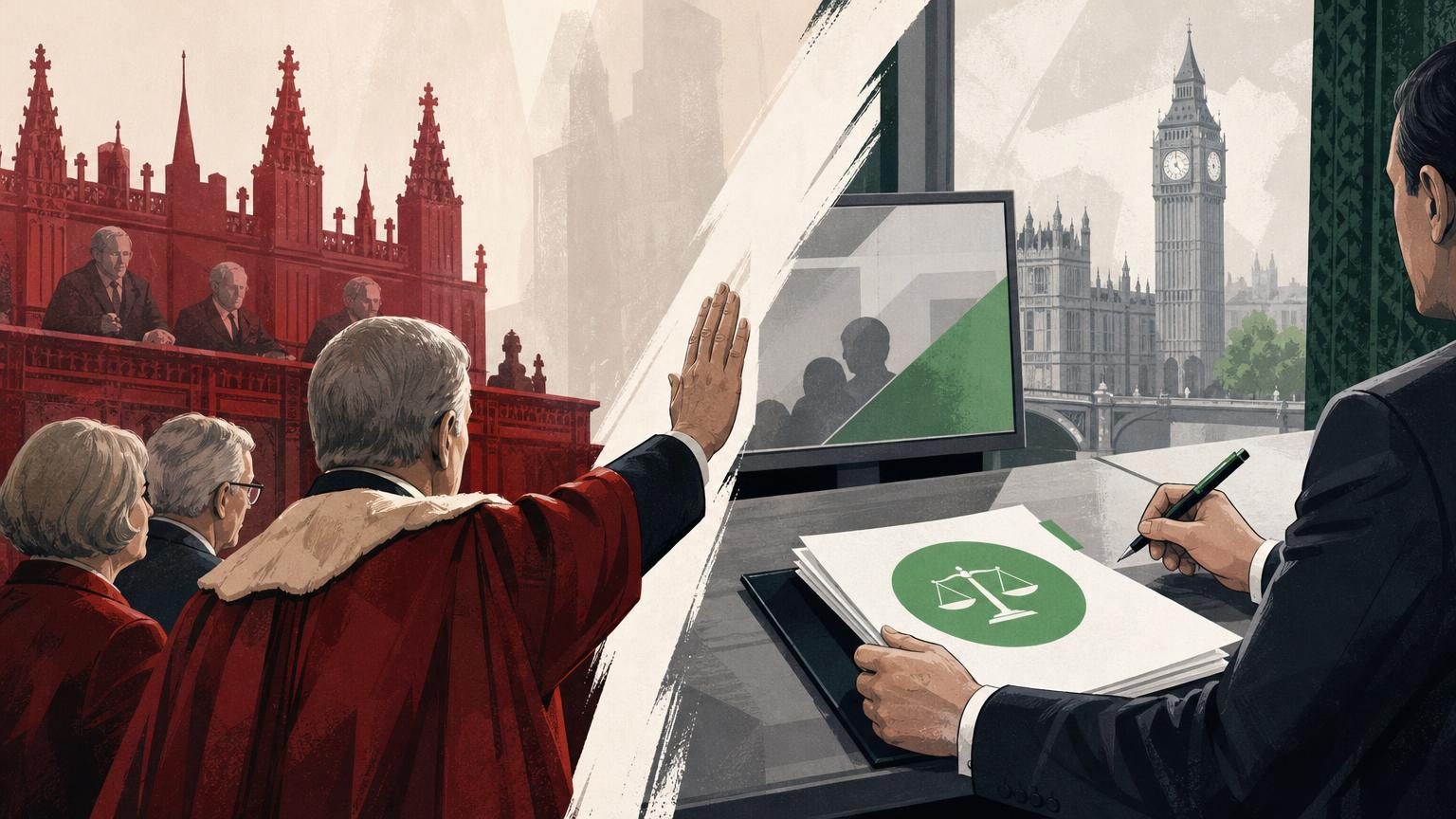
The UK government has declined to adopt a House of Lords committee's recommendation for a sweeping ban on gambling advertising, arguing such a move would fail to protect those most at risk and could blur the line between licensed and illegal operators.
The government set out its position this week, replying to the follow-up report from the Lords Liaison Committee, titled Gambling Harm: Time for Action. The committee, chaired by Lord Ponsonby of Shulbrede, had called in September for gambling to be "tolerated but not promoted" and pushed for a near-total advertising ban.
Ministers rejected that proposal outright, saying a blanket ban "would not be targeted at those who are most vulnerable" and "may even increase the risk of harm" by making it harder for consumers to distinguish regulated operators from the unlicensed market.
The government did, however, commit to addressing a gap in its own powers. Section 333(6) of the Gambling Act 2005 currently limits what the secretary of state can do under section 328 in relation to online advertising. The government said it is "actively exploring ways to rectify the legislative deficiency" and "will not hesitate" to act once a suitable legislative vehicle and parliamentary time become available. No timetable was given, and any fix would require primary legislation.
Ministers also turned down a string of further requests from the committee, including a single statutory regulator for gambling advertising, restrictions on serving ads to under-25s, a licensing scheme covering affiliates, and curbs on inducements along with direct and content marketing. A proposed ban on gambling sponsorship for football clubs below the Premier League was also turned down, with the government citing the financial position of English Football League clubs. It confirmed it is not abandoning its broader aim of supporting growth in the gambling industry.
The Betting and Gaming Council welcomed the decision not to pursue a ban, calling it "sensible and proportionate". A BGC spokesperson said "ministers are also right to recognise that a blanket ban would not be targeted at those most vulnerable to harm and could have serious knock-on consequences for sports, including football and horseracing". The trade body also pointed to the government's warnings about illegal operators, saying "the growing black market ignores advertising rules, offers none of the protections available in the regulated sector and contributes nothing to British sport or the public finances". It said it would continue working with government and regulators to keep future decisions "proportionate and firmly based on evidence".
On enforcement, the government tasked its Illegal Gambling Taskforce with examining how to block influencer content promoting unlicensed operators, tighten know-your-customer checks across the advertising supply chain, and tackle "Not on Gamstop" adverts. The Gambling Commission is separately set to explore a kitemark scheme to help consumers identify licensed operators.
On advertising placed around video games, the government took the view that age ratings under the PEGI system do not give a reliable guide to where such ads should run. It maintained nonetheless that children's titles and under-18 audiences must remain off-limits for gambling adverts.
A separate annex to the response saw the Gambling Commission acknowledge it "does not have the powers to mandate action from social media or other tech companies", and said discussions are under way with Ofcom over whether Online Safety Act powers might be applied to certain adverts on tech platforms.
Much of the government's reasoning rests on allowing recent reforms more time to take effect, including the bonus wagering cap and new opt-in requirements for direct marketing. NatCen's assessment of the reforms introduced since the white paper is expected before the year is out.