UK Government rejects House of Lords call for gambling ad ban
Ministers have dismissed a Lords committee's push for a comprehensive ban on gambling advertising, while promising changes to how online marketing is policed.
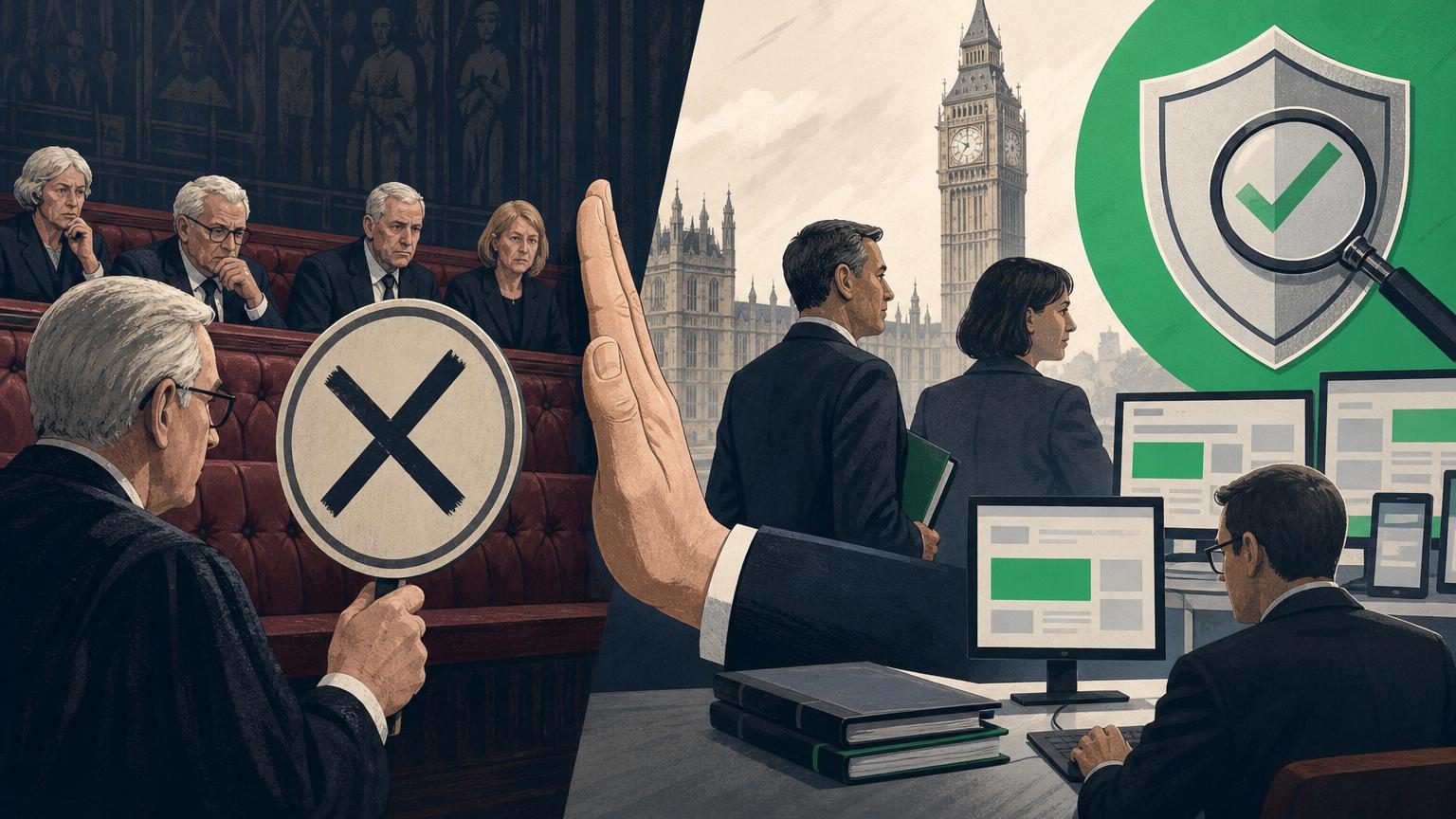
The UK Government has turned down the central recommendation of a House of Lords inquiry that called for a blanket ban on gambling advertising, according to SBC News.
The response addresses the Liaison Committee's report titled 'Gambling Harm – Time for Action'. Ministers accepted that advertising can influence behaviour in ways that contribute to gambling harm, and welcomed the committee's focus on protecting children and vulnerable audiences.
They stopped short of backing a full ban, citing concerns about the visibility of licensed operators to consumers. The Government's published comments state that a ban would not be targeted at those most at risk, including young people, and warn it could have negative knock-on effects for sectors that rely on advertising revenue.
The Government also rejected the committee's proposal for a single statutory regulator to oversee gambling advertising. The Advertising Standards Authority will remain the lead body, governing the sector through its CAP Code, which ministers described as best placed to offer specialist regulation and guidance to operators marketing in the UK.
Despite backing the existing structure, the Government acknowledged vulnerabilities in online advertising that may require direct intervention powers. A change is planned to Section 333(6) of the Gambling Act 2005, a provision that at present limits how the Section 328 powers can be applied to online gambling marketing. No timetable has been set, with the Government saying it will act once a legislative vehicle and parliamentary time become available.
A series of further recommendations were rejected, including a ban on gambling sponsorships below Premier League level, an extension of the voluntary front-of-shirt ban to cover training kits, watershed-style restrictions on online advertising, a revision of the CAP Code over use of the term "free bet", and formal licensing for affiliates.
Ministers also declined to adopt language shifting policy from promoting gambling to merely tolerating it.
The Government argued that a ban could drive consumers toward unlicensed operators, an argument also made by licensed operators themselves. The emphasis on black market risk is likely to be read by UK operators as a point in their favour, given sustained industry lobbying against tax rises and tighter regulation.
Ministers warned they will not hesitate to take further action if warranted, a caveat that leaves several live concerns for the regulated sector. Chief among them is the Government's stance on player data sharing. Operators, the Betting and Gaming Council, punters, and figures from horseracing have all raised concerns about the Gambling Commission's Financial Risk Assessments.
The Government's response encourages continued, and where appropriate increased, data sharing between operators, the Commission and researchers, a signal that implementation of the assessments looks more likely to proceed.
New priorities were also set out to expand the powers of the Illegal Gambling Taskforce in tackling the promotion of unlicensed operators, following concerns about search results surfacing non-GAMSTOP casinos and social media content advertising unlicensed sites. The Government signalled it could still restrict how operators cross-sell and advertise higher-risk products, noting that it is still weighing current safeguards such as opt-ins for specific product marketing and the rule barring different gambling products from being combined within the same advert.