Kalshi Chief Mansour Rejects CFTC's Rationale On Trump Contracts
Tarek Mansour says Kalshi's suspended markets on Trump's remarks serve a legitimate economic purpose, pushing back on the CFTC's insider-trading concerns.
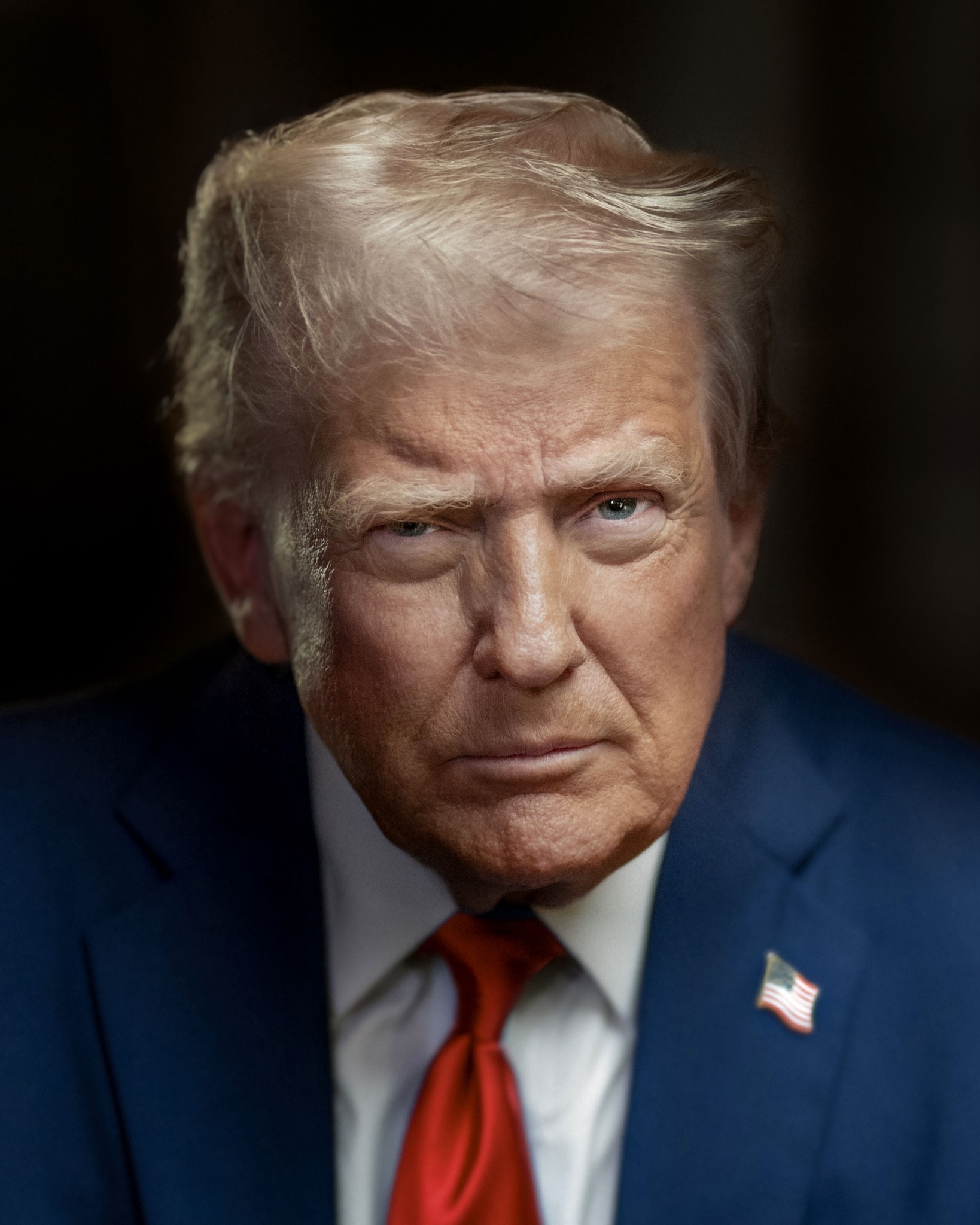
Kalshi chief executive Tarek Mansour has publicly challenged the Commodity Futures Trading Commission's reasoning for ordering a halt to the exchange's markets predicting what President Donald Trump might say, arguing the contracts have genuine economic value.
"We disagree with this decision," Mansour said on Tuesday at the Axios BFD summit, according to Legal Sports Report.
Mansour said presidential remarks routinely move markets, telling the summit: "What the president does say moves markets. So predicting what he's about to say is actually pretty meaningful."
He defended the company's controls against insider trading, saying Kalshi has put in place "significant guardrails" and has identified traders who attempted to manipulate its markets.
Kalshi's chief regulatory officer, Sudhir Jain, separately pressed the company's case on social media, pointing to the scale of market reaction to Trump's tariff announcements as evidence the contracts track real economic stakes.
Jain cited the trillions of dollars wiped from stock values after Trump's April 2025 tariff announcement, and the rally that followed when the president announced a 90-day pause, Legal Sports Report reported.
Jain said Kalshi bars speakers, speechwriters, communications staff and others with advance knowledge of presidential remarks from trading on contracts they could influence.
The pushback follows a CFTC order issued on 13 November that halted Kalshi's Trump mention markets, coming months after reporting that a White House teleprompter operator had profited from trading with advance knowledge of presidential speeches.
Senator Elizabeth Warren, who had pressed for answers alongside Senator Jeff Merkley over those trades, welcomed the CFTC's intervention.
"I've been calling on Trump's regulators to rein in these markets for a long time," Warren said on X. "The CFTC needs to do more to stop insiders from cashing in."
In its order, the CFTC said Kalshi had failed to adequately show the contracts were protected against manipulation as federal law requires, and opened proceedings to examine whether the company falsely certified their compliance.
The regulator has given Kalshi until 11 December to respond, and has not made a final ruling on whether the contracts are legal, leaving open the possibility that the suspension could be lifted or the markets allowed to resume under amended terms.
Kalshi says it will comply with the suspension while continuing talks with the CFTC.
The dispute unfolds as the CFTC separately defends its exclusive jurisdiction over sports prediction markets against state gambling regulators, having filed lawsuits against multiple states while largely allowing exchanges to self-certify sports contracts on the basis that federal law overrides state gambling rules.
Photo credits
File photo. Photo: Daniel Torok · Public domain · via Wikimedia Commons
