Democratic Congress set to intensify scrutiny of prediction markets
Midterm gains hand Democrats subpoena power over Kalshi, the CFTC and sports event contracts, with legal fights also looming in Texas and Georgia.
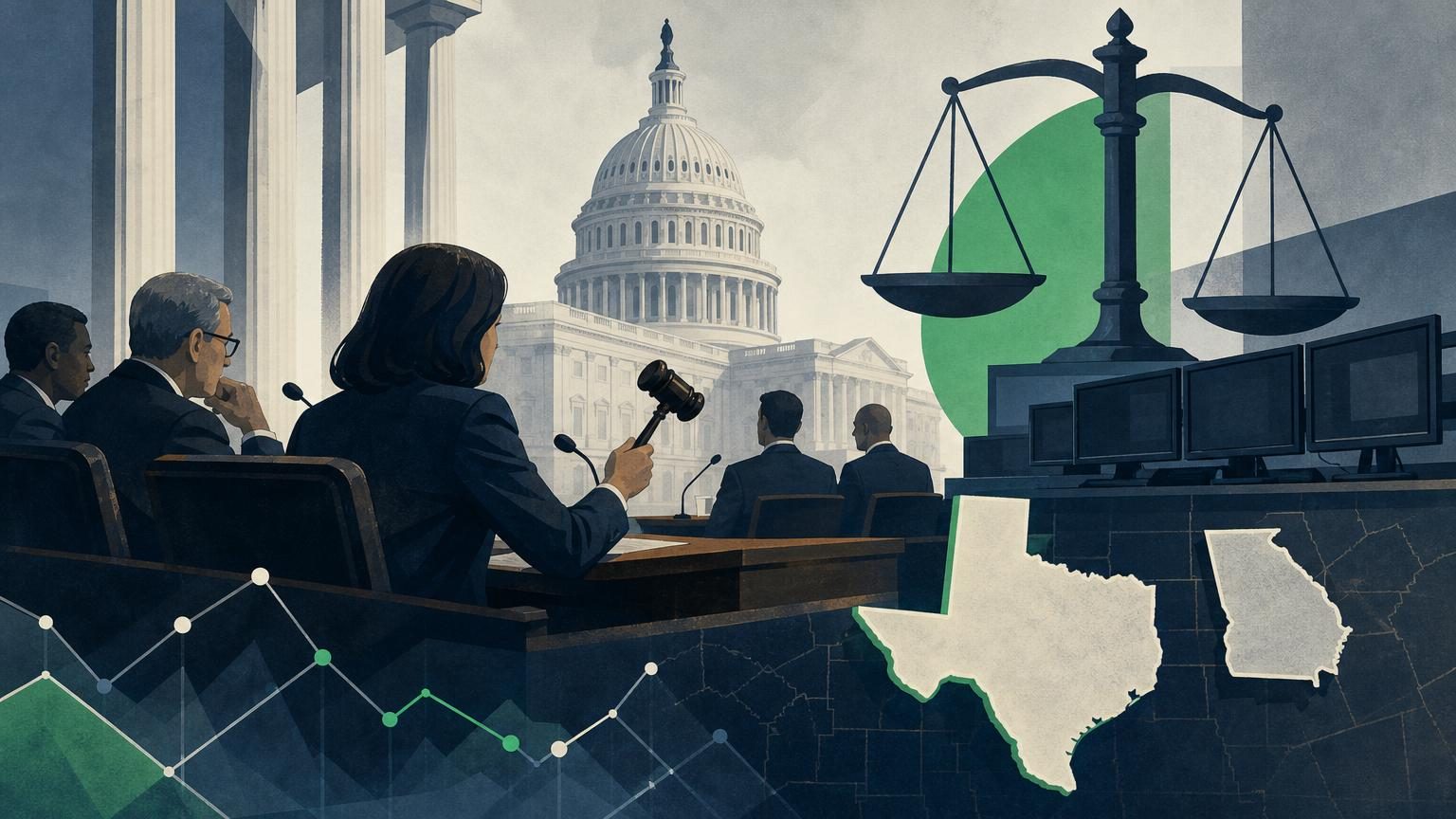
Prediction market operators largely forecast the midterm results correctly, with traders pushing past $2.5bn in wagers on Kalshi alone, but the Democratic sweep of both chambers of Congress now points to a tougher period of oversight for the sector.
Former Louisiana Gaming Control Board chair Ronnie Jones said the industry's accuracy on Election Day should not be mistaken for political safety. "Prediction markets weren't on any ballots last night and I think they were stunningly accurate about the majority of races, but if I were a senior executive at any of those businesses, I'd wait on popping the champagne cork," Jones said, adding that federal appetite for closer examination of the sector would likely grow with the incoming Democratic majority.
Corridor Consulting founder John Pappas said the scrutiny would not be confined to event contracts. "Certainly at the federal level, we'll see a lot more scrutiny on the prediction markets industry but also the regulated sports betting industry," Pappas said, noting that Democratic critics of sports betting in the Senate and House would now have a larger platform.
The institutional groundwork for that scrutiny is already in place. Last September, a gambling reform initiative calling for investigative hearings and minimum federal safety rules covering prediction markets was unveiled by Sen. Richard Blumenthal alongside Rep. Paul Tonko. Blumenthal has separately put forward the Prediction Markets Security and Integrity Act, legislation that would hand authority over event contracts back to the states while also binding sports betting states to federal rules on advertising, affordability and artificial intelligence, echoing his long-running SAFE Bet Act.
Congress under Republican control had already held several hearings touching on the sector. House Agriculture Committee members questioned Commodity Futures Trading Commission Chair Michael Selig in April on insider trading and on how sports event contracts differ from sports bets, and in July a House Agriculture subcommittee heard former CFTC counsels describe as "extraordinary" the regulator's move to order Kalshi to disregard a Michigan court ruling. A Senate panel focused on consumer protection, technology and data privacy, under the Commerce Committee, devoted a May hearing largely to the industry, and tribal leaders urged the Senate Committee on Indian Affairs in August to ban sports and casino-style contracts.
Sen. Elizabeth Warren, a known prediction markets sceptic, is expected to take the gavel of the Senate Banking Committee and push for broader CFTC oversight, while Rep. Robert Garcia is in line to chair the House Oversight Committee.
CNBC reported in October that former CFTC special counsel David Aron expected committees overseeing the agency to "call them in, demand answers," predicting that process "will not be fun."
Holland & Knight gaming team deputy leader Josh Kirschner said change at the CFTC itself would likely be slow to arrive. Selig currently sits alone atop a body designed to hold five commissioners, leaving Democrats with scant ability to remove him or compel fresh nominations. Lawmakers could attach funding conditions barring the agency from intervening in state litigation, though Kirschner said he doubts there is appetite to go that far.
Kirschner said the more significant shift stems from how bipartisan the prediction markets debate already is. Nearly 30 related bills have been introduced since 2025 without any passing, the Senate unanimously barred its members and staff from trading on prediction markets in April, and Wisconsin Republican Bryan Steil, who chairs House Administration, has filed the Stop Lawmakers From Predicting Act. Sen. Ted Cruz is also expected to introduce a bill after the midterms requiring state or tribal authorisation before exchanges can offer sports contracts.
Kirschner expects further legislative movement on restricting trading by elected officials and staff, drawing a parallel to Democrats' passage of the Dodd-Frank Act in 2010 during a similar period of control. He also expects investigators to examine Donald Trump Jr.'s ties to the industry and trading by military and adjacent personnel on war, terrorism and foreign-event contracts, telling SBC Americas that "inquiries and subpoenas are coming."
Trump Jr. has been a paid adviser to Kalshi since January 2025 and sits on the advisory board of rival platform Polymarket.