Kalshi Drops Trump Mention Markets After CFTC Order
The prediction market operator is withdrawing contracts on what Donald Trump might say, months after a White House staffer profited from advance knowledge of his speeches.
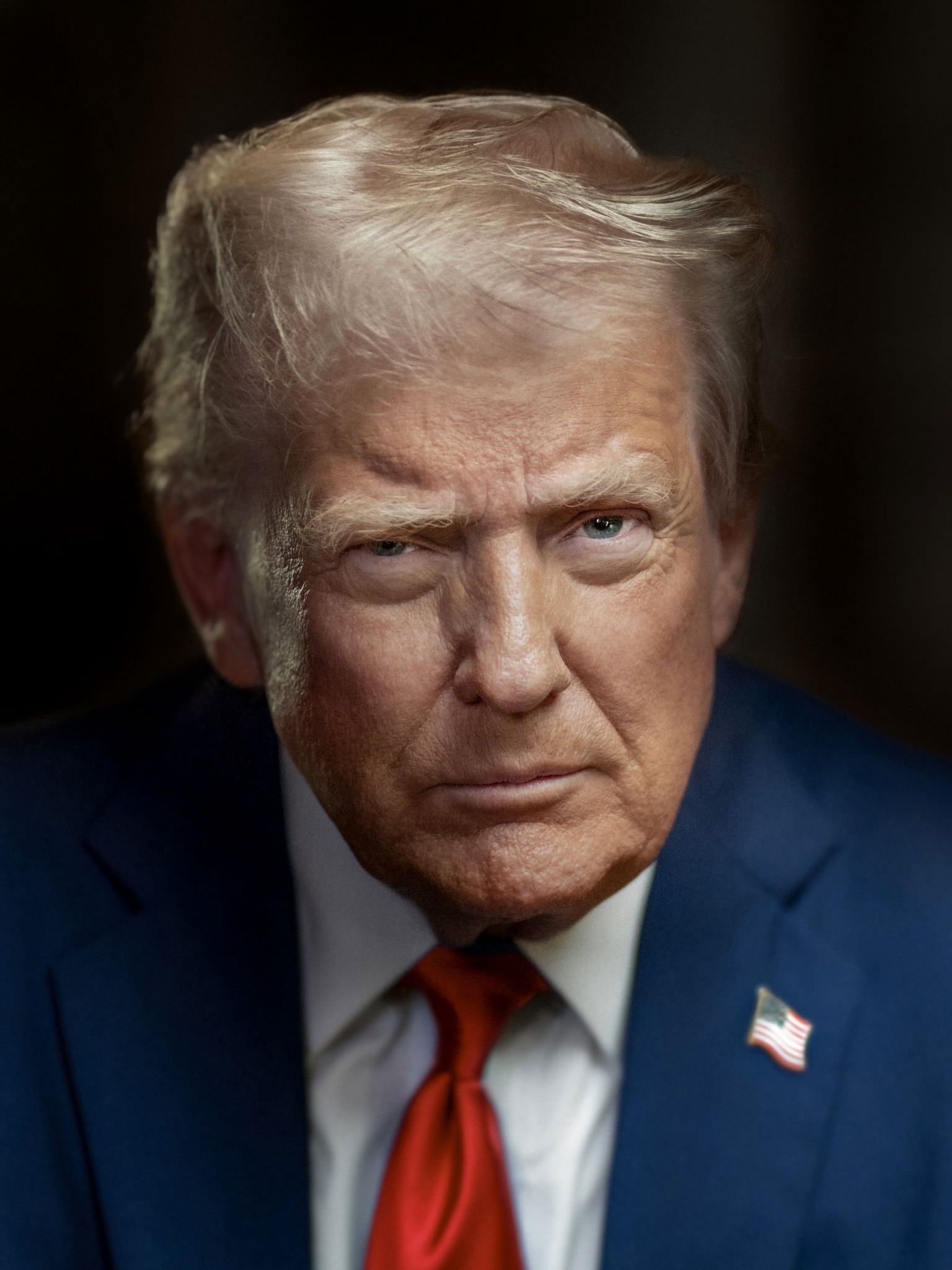
Kalshi is withdrawing betting markets that let users wager on specific words or phrases President Donald Trump might use in his speeches, according to Legal Sports Report. The move follows a Commodity Futures Trading Commission order issued Friday requiring the company to temporarily halt contracts tied to what Trump would say on particular dates.
The Wall Street Journal first reported the decision on Tuesday, citing people familiar with the matter. Kalshi's retreat comes roughly a month after the company publicly defended the commercial case for these markets despite growing concerns about insider trading risk.
So-called mention markets let traders bet on whether a public figure will say a particular word during a speech, interview or other appearance. Because the outcome can hinge on information known in advance to a small circle of people, the CFTC has previously flagged manipulation risk in this category of contract.
Kalshi chief regulatory officer Sudhir Jain had told the Journal in October that the firm had already cut its mention market offerings by more than half, but continued to argue that the remaining contracts served legitimate purposes, including hedging around public statements.
The scrutiny intensified after the CFTC in August ordered Gabriel Perez, a former White House teleprompter operator, to surrender $107,539 in trading profits and pay a $65,000 civil penalty. Regulators found that between December 2025 and February 2026, Perez traded mention contracts by drawing on prepared remarks he could see before Trump delivered them. Internal monitoring tools at Kalshi picked up the unusual activity, prompting the company to alert federal authorities itself, a step the CFTC credited in its enforcement action.
Kalshi is not clearing out every contract tied to the administration. Markets on what Vice President JD Vance might say, and on whether specific officials will leave their posts, remain available. The company separately paused sports broadcaster mention markets in July after the NFL objected to bets on what commentators might say during games.
Alongside the market withdrawal, Kalshi announced an insider trading awareness campaign fronted by Martha Stewart, who served prison time following a federal investigation tied to a stock sale but was never convicted of insider trading. The timing coincided with the latest findings from Kalshi's independent Market Integrity Committee, issued as part of its quarterly reporting, calling for extra surveillance steps such as risk ratings and monitoring thresholds tailored to different kinds of contracts.
Having examined hundreds of millions of past trades, the committee judged that the bulk of activity, equivalent to about 98% of trading volume, posed comparatively little danger of relying on material nonpublic information. Separately, the company reported having passed on upwards of 50 cases of suspected insider trading to law enforcement across the second and third quarters of the year.
Congressional pressure has grown since the midterms. Democratic Senators Elizabeth Warren and Jeff Merkley sent a letter last week demanding details from the White House on safeguards preventing federal employees from trading on confidential information, citing the Perez case and asking whether the president's relatives might face similar conflicts of interest. Once Democrats take control of the chamber next year, Warren is in line to chair the Senate Banking Committee, a post that would give her broader scope to examine the administration's financial dealings.
That same scrutiny has touched Kalshi's own corporate relationships. The company is ending its advisory arrangement with Donald Trump Jr., whose investment firm, 1789 Capital, has increased its stake in rival platform Polymarket. Kalshi said talks on the separation began in August and attributed the split to the Polymarket investment. Trump Jr. had held ties to both companies since 2025, when 1789 Capital first invested in Polymarket.
For its part, the CFTC keeps pressing its claim to oversee prediction markets nationally rather than ceding ground to state gambling regulators, a position it holds even as it clamps down on particular contract types at Kalshi and pursues a separate inquiry into Polymarket.
Photo credits
File photo. Photo: Daniel Torok · Public domain · via Wikimedia Commons
