Gambling Commission vows to target illegal bookies' finances and ads
The UK regulator says it will widen enforcement against unlicensed gambling operators to hit their payments, advertising and software supply, as it marks Illegal Gambling Awareness Week.
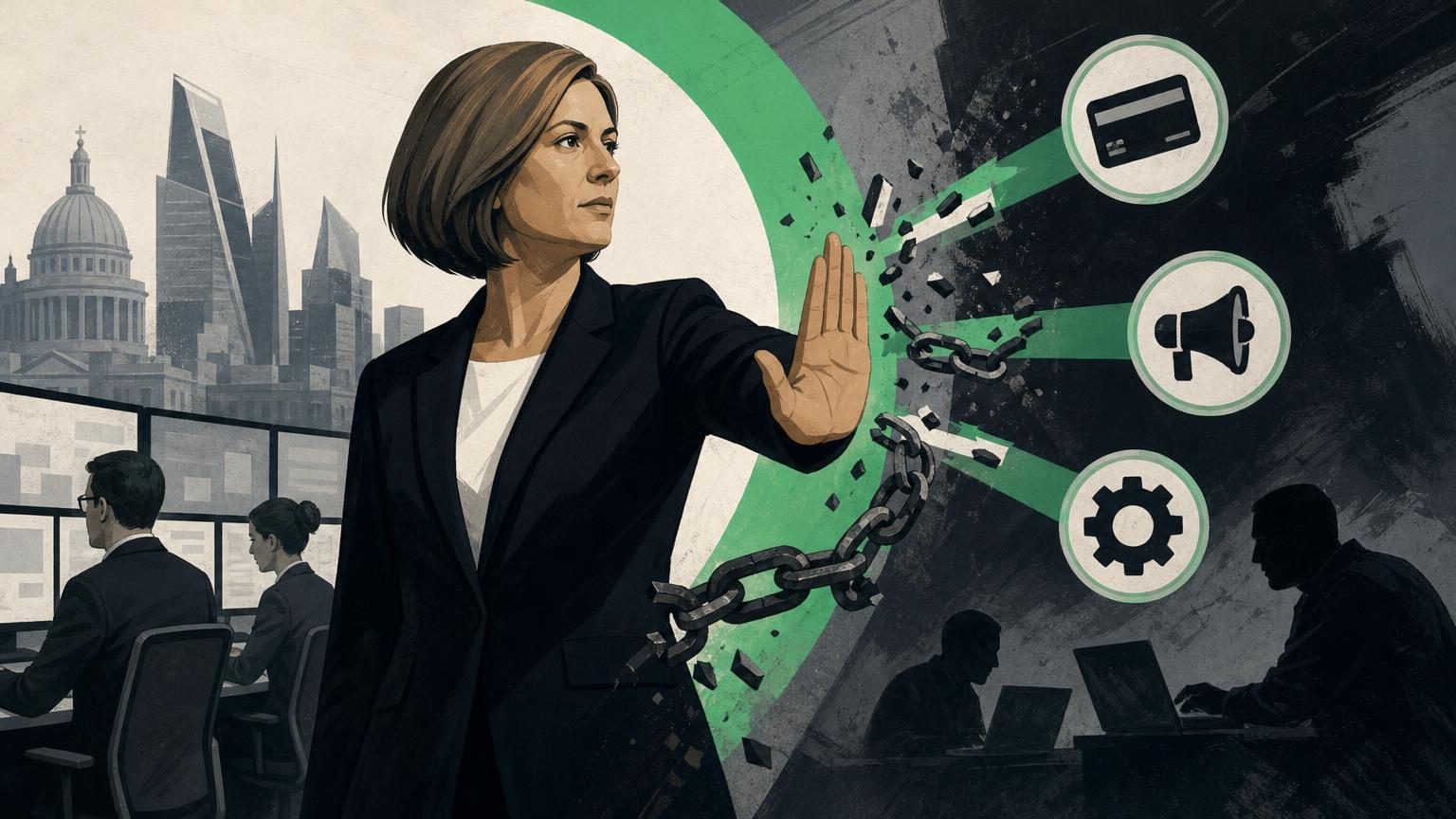
The Gambling Commission has told unlicensed gambling operators it intends to disrupt their payments, advertising and access to games and sportsbooks, not just take down individual websites.
The warning opened Illegal Gambling Awareness Week and came with figures the regulator says show it is already acting at scale: more than 1,000 cease and desist notices issued against illegal operators in the 2026/27 period so far, 7.8 million URLs referred to search engines, three million URLs removed from search results, and 2,200 websites referred for disruption action, according to SBC News.
The intervention follows months of pressure from the licensed industry, which has accused the Commission of moving too slowly against black market platforms. The Betting and Gaming Council, the British Horseracing Authority, Betfred owner Fred Done and Entain chief executive Stella David have all flagged how embedded unlicensed operators have become. The BGC has forecast that bets placed with illegal operators could exceed £1 billion across the 2027/28 Premier League season.
Sue Young, the Commission's Executive Director of Operations, said the regulator was moving beyond website takedowns. "We've already shown we can take down and disrupt individual websites and now we're going further," she said. "That means us interfering with illegal operators' whole business models, disrupting their payments, hindering their advertising and stopping them from obtaining the games and sportsbooks they so heavily rely on."
Young said that, since January, the Commission has passed on suspected criminal funds totalling more than £40 million to partner agencies so they can pursue potential asset freezes, while also continuing to work alongside law enforcement to seize cash from illegal land-based gambling operations. "By widening the net and focusing beyond removing websites our mission is to hit illegal operators on all sides," she said. "If you run an illegal gambling operation, we are coming after you, your business and your money."
The emphasis on payments and advertising reflects long-standing arguments from industry figures that cutting off payment service providers and social media promotion is where the real leverage lies. Some jurisdictions, including Finland and the Philippines, have begun moving in this direction, while efforts elsewhere to bring major technology platforms into line have proved harder. The Dutch trade body VNLOK has gone as far as taking Meta to court over the issue.
Alex Wood, of BBC Radio 4's Scam Secrets team, told SBC News that targeting payment providers is "the only thing that can be done" to meaningfully curb deposits into illegal platforms, though he noted the growing use of cryptocurrency payments complicates that approach.
For licensed operators, the Commission's sharper public stance is likely to be read as a sign that its own responsibilities, and those of the Department for Culture, Media and Sport's Illegal Gambling Taskforce, are being taken more seriously, even as both bodies have faced criticism over pace of action.
The crackdown nonetheless sits alongside continued friction over tax policy. The BGC, BHA, Entain and Betfred have all argued that HM Treasury's increases to levies on the regulated sector risk pushing consumers towards the unlicensed operators the Commission is now pledging to dismantle.