European Parliament backs gambling levy as EU budget fallback option
MEPs continue to push for a common online gambling tax as one of several contingency revenue streams while national governments haggle over the EU's 2028-2034 budget.
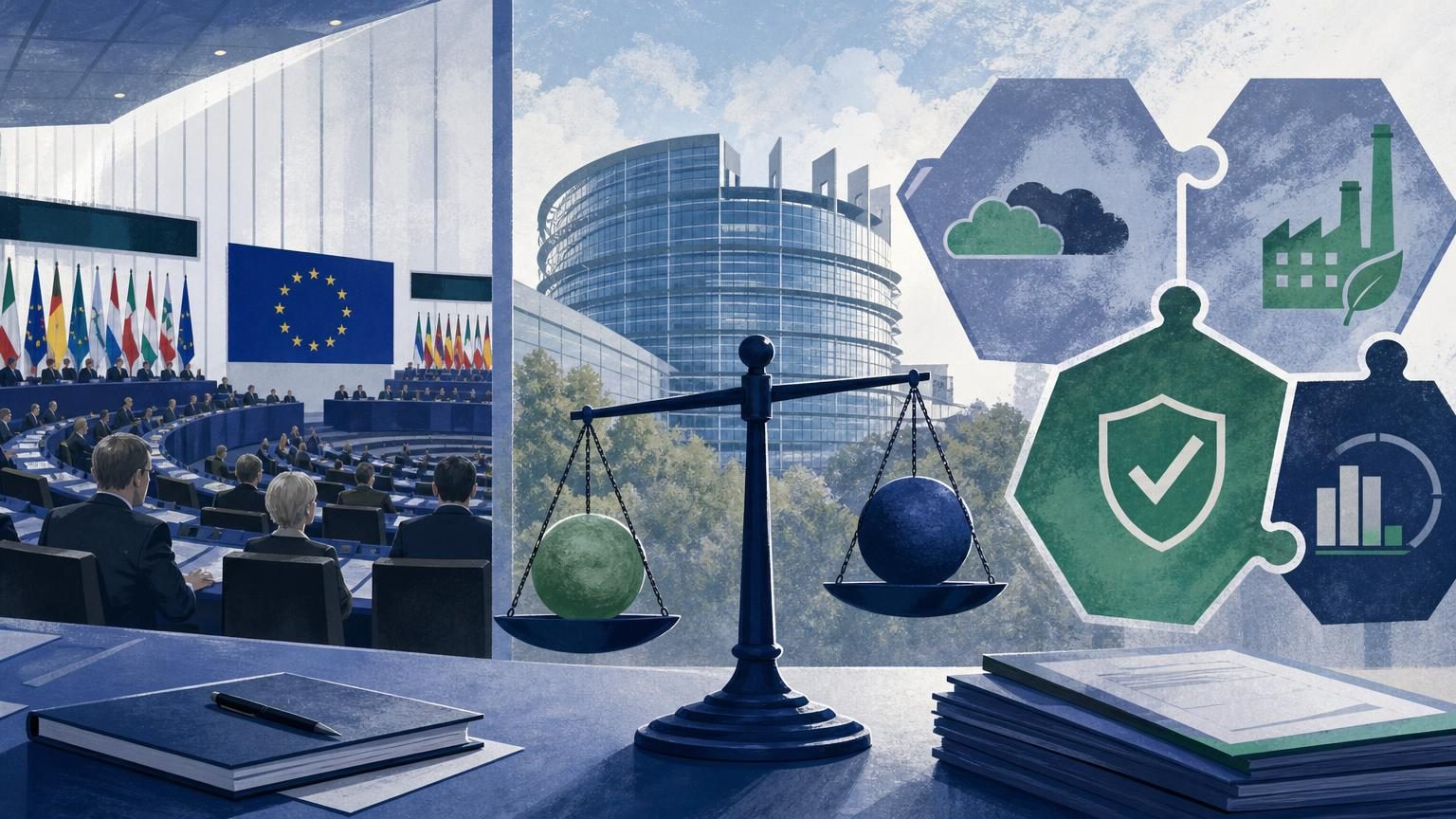
The European Parliament has restated its backing for a levy on online gambling and betting as a contingency measure should member states fail to agree the European Commission's preferred list of new EU-wide revenue sources for the 2028-2034 budget.
A notice issued during the ongoing budget negotiations lists a tax on gambling and betting services alongside a digital services levy and a charge on capital gains from crypto-assets as options to be developed further if the five measures already on the table do not win sufficient support.
Ireland currently holds the rotating presidency of the Council of the EU and is steering the talks. An update had been expected on Friday 13 November, but no fresh developments were announced. The negotiating position remains at roughly €1.65 trillion and includes a settled arrangement for repaying debt raised under the bloc's pandemic-era recovery scheme, NextGenerationEU.
The wider budget round is one of Brussels' main priorities for 2026. The EU is aiming to secure at least €2 trillion for the coming cycle, with spending redirected towards defence, support for Ukraine, border security, workforce reskilling and technological development. Repayments on NextGenerationEU borrowing must also be built into the final figure.
Most of that money is still expected to come from direct national contributions, with France, Germany and Italy among the larger economies likely to see their payments rise to 1.4% of gross national income. Parliament, however, continues to press for a bigger share to be raised through what the EU terms 'own resources' — common levies and slices of revenue from mechanisms the bloc already runs.
"The EU's growing responsibilities and policy priorities have increased the need for a more sustainable system of financing for the EU budget," Parliament said in its notice, repeating its call for "new own resources to reduce reliance on national contributions."
The Commission's own five proposed revenue streams are projected to generate around €58bn annually between them. They comprise a corporate contribution from large companies operating across the EU (CORE), a charge tied to tobacco excise duties (TEDOR), a share of proceeds from the Emissions Trading System, a cut of revenue from the Carbon Border Adjustment Mechanism, and a levy based on the weight of uncollected electronic waste.
Parliament's notice frames the gambling and crypto options as a safety net rather than a replacement for that package, noting that governments have been wary of increasing their own contributions given the tight fiscal climate across the bloc. It said negotiations on new own resources had made only limited headway so far, but that Parliament would keep pushing for an ambitious settlement within the next long-term financial framework.
The notice also acknowledges that individual member states retain the right to set their own national taxation policies, while arguing that additional EU-level mechanisms are still needed to close gaps in long-term funding. It states that the potential yield of a digital services levy targeting major platforms, a gambling and betting services levy, an expanded Carbon Border Adjustment Mechanism and a uniform levy on crypto capital gains should all be examined further, in case the Commission's current proposals fail to command enough backing among member states, so as to preserve what it called tax fairness and revenue matched to the EU's needs.