Cortez Masto Accuses CFTC of Aiding Trump Family on Prediction Markets
Nevada senator says a new CFTC directive forcing prediction markets to restore sports trading nationwide tramples state and tribal gambling authority to benefit the Trump family's business interests.
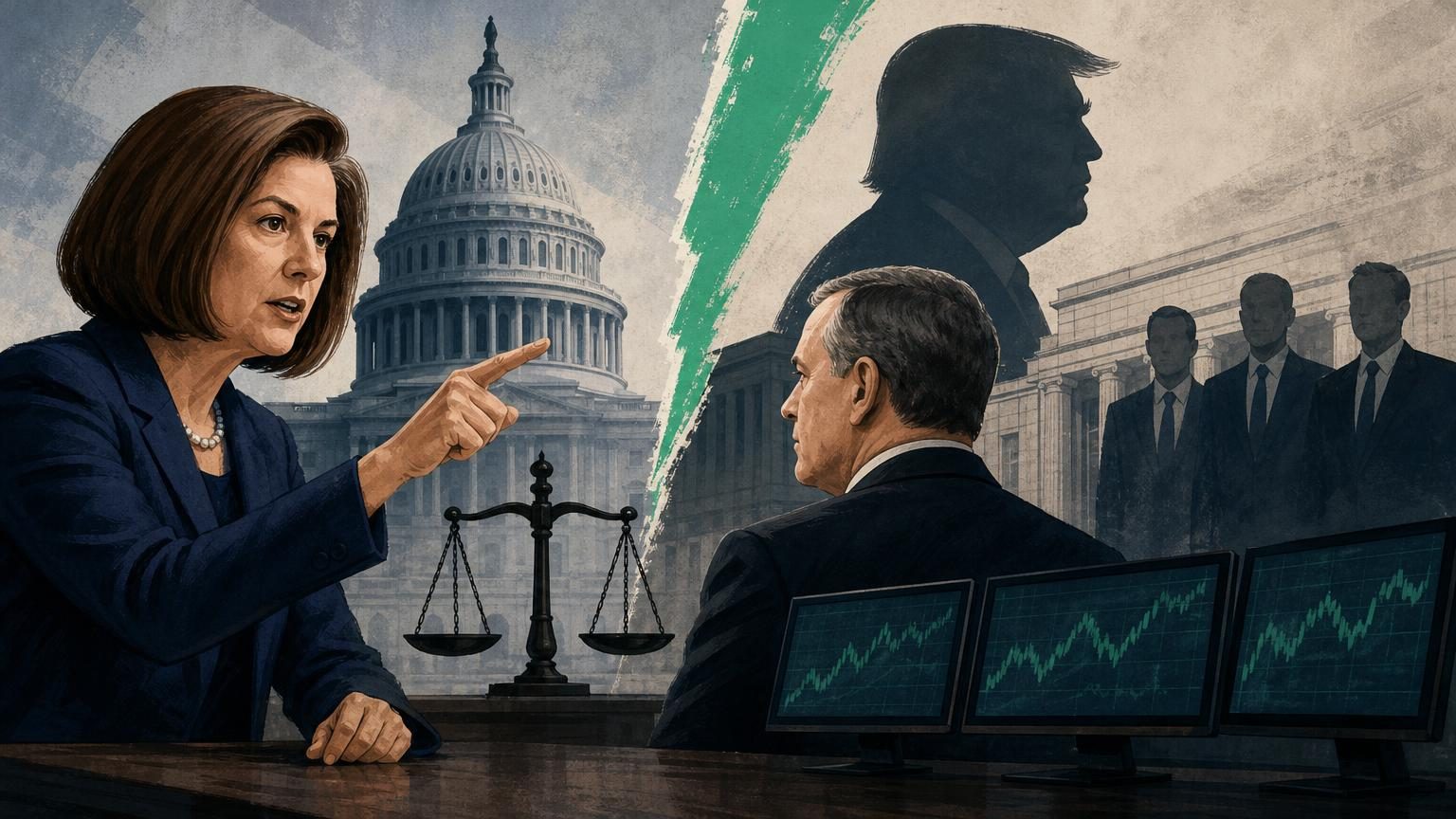
Senator Catherine Cortez Masto (D-Nev.) has accused the Commodity Futures Trading Commission of acting on behalf of President Donald Trump's family business by directing federally regulated derivatives exchanges to ignore state and tribal gambling restrictions.
The dispute centres on an interpretation the CFTC published on 5 November, which orders its designated contract market licensees to end what it calls domestic geographic restrictions within 30 days. Several prediction market operators had paused sports-related trading in jurisdictions where courts had issued preliminary injunctions in lawsuits over whether such contracts amount to illegal gambling under state law.
Cortez Masto said the timing and substance of the directive point to a deliberate effort to protect commercial interests tied to the president's family. "Let's be clear about what's happening: the Trump family is heavily invested in prediction market platforms," she said, according to Casino.org News. "This move to undermine tribal and state sovereignty is intended to create profits for the president's family. That should outrage all of us."
She argued the legal picture is settled. "Federal courts have ruled repeatedly that states and tribes regulate gambling within their territory. Sports 'prediction markets' are obviously gambling," she said. "But the chairman of the CFTC is encouraging companies to keep offering these bets in violation of court orders," she added.
CFTC Chairman Michael Selig has defended the directive on jurisdictional grounds rather than addressing the senator's allegations directly. He has said derivatives markets must function uniformly on a national scale to fulfil the purposes of the Commodity Exchange Act, and that restricting access by geography conflicts with the statute's impartial access requirements.
Selig has instructed any platform still limiting contracts by jurisdiction to either restore trading or submit an explanation to the CFTC's Division of Market Oversight within 30 days setting out why compliance is not feasible.
Cortez Masto's objection is not new. In March she co-sponsored the Prediction Markets Are Gambling Act alongside Senators Adam Schiff (D-Calif.) and John Curtis (R-Utah), bipartisan legislation that would bar prediction markets from listing contracts resembling sports bets or casino-style games.
She has framed the latest CFTC directive as evidence that the agency will not police the issue on its own. "For the entirety of President Trump's second term, the CFTC has abdicated its responsibility to prevent illegal gaming on prediction markets," she said. "It's past time to take the CFTC's decision-making out of the equation. Event contracts dealing with sports and casino games are nothing more than gambling and fall entirely within the jurisdiction of tribes and states," she added.
The clash sets up a direct conflict between the CFTC's push for a single national derivatives market and the state and tribal gaming frameworks that have historically governed sports wagering, with the 30-day compliance window now running on licensed exchanges.