Virginia iGaming bill revival faces tight 2027 session window
Virginia lawmakers passed companion online casino bills through both chambers in 2026 only to see them collapse in conference, leaving unresolved questions for a compressed 2027 session.
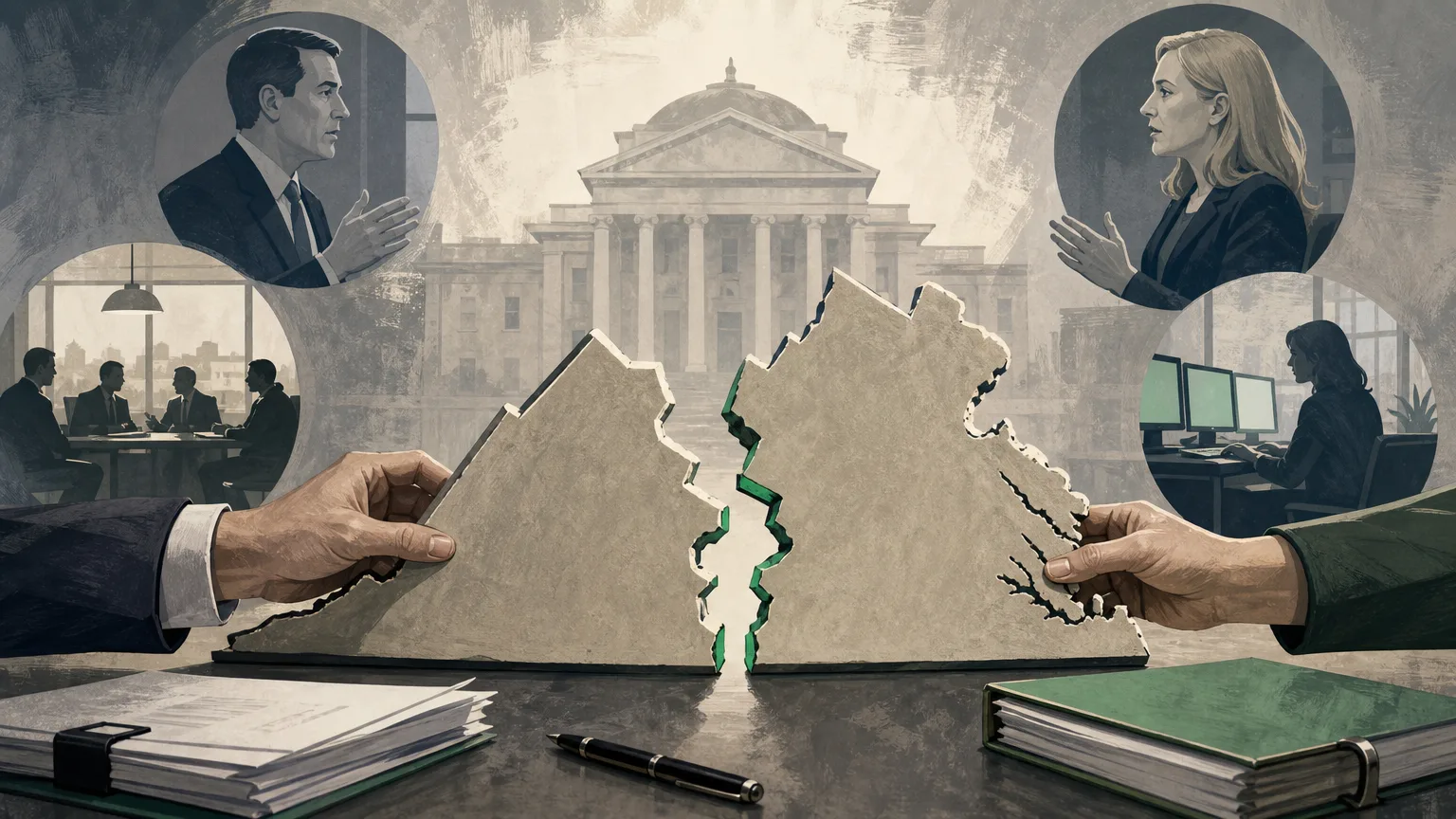
Virginia got further than most states toward legalising iGaming in 2026, with matching bills clearing the House and Senate before falling apart during conference negotiations, according to Sen. Jeremy McPike, speaking on a recent iDevelopment and Economic Association webinar alongside legislators from Ohio and Massachusetts.
Senate Bill 118 and House Bill 161 would have placed regulated online casino gaming under the Virginia Lottery Board, restricting licences to existing casino gaming operators. HB 161 cleared the House by a 67-30 vote, while SB 118 passed the Senate 21-17. Differences between the two versions proved impossible to reconcile before the session closed.
That outcome leaves Virginia lawmakers with proof that an iGaming framework can pass both chambers, but also with the task of settling the details that sank the bills before a much shorter window reopens.
A narrow runway in 2027
The next General Assembly session opens 13 January 2027 and is scheduled to last 45 days, giving legislators little room to hash out policy disagreements once a bill is introduced.
McPike described the pace bluntly: "If you don't get something done in 10 minutes, you're toast." He added that lawmakers would have "very little time to get a bill from intro to through," calling the process "short and sweet."
Because the 2026 bills made it through both chambers only to stall in conference, McPike suggested that most of the negotiating will need to happen before the session even begins.
Consumer protection as the sticking point
McPike argued that any renewed push must address more than projected tax revenue or market appetite. He said lawmakers need to weigh "what the public benefits and tradeoffs are," noting that legalisation typically brings wider advertising exposure and draws in people who had not previously gambled.
He said safeguards, limits and clear expectations become more important as that exposure grows.
Opponents have centred their objections on the ease of access that mobile betting products bring, along with the risk of increased problem gambling and financial harm. Critics have also argued that a licensed online market could pull customers away from Virginia's retail casinos.
The National Association Against iGaming, a group backed by casino operators, welcomed the bill's collapse, saying it kept Virginia's existing gaming structure intact and avoided the fallout of expanding casino access. The organisation campaigns against iGaming generally, but its criticisms track the concerns any new proposal will have to answer.
McPike said a future bill needs a clear public-interest rationale, covering mandated protections, how self-exclusion programmes would function across platforms, limits on advertising, the destination of problem gambling funding, and how regulators would track whether online casino play is adding to gambling harm statewide.
"[The key] really is around the questions we've talked about, having answers and transparency," McPike said. "Really push forward and tell the stories."
Regulatory structure still unsettled
The 2026 legislation would have folded iGaming oversight into the Virginia Lottery Board, which already regulates casinos and internet sports betting in the state. That would have given online casino an established regulatory home from day one.
Even so, legislators, local governments and industry stakeholders remain split on whether Virginia should instead build a single, consolidated gaming regulator to replace its current split system, under which the Lottery Board, the Virginia Racing Commission and the Department of Agriculture and Consumer Services each oversee separate pieces of the gambling landscape.
A proposal for a dedicated Virginia Gaming Commission would bring casinos, sports betting, horse racing, charitable gaming and fantasy contests under one roof, while leaving the lottery itself with the Lottery Board. A 2025 study commissioned on the idea pointed to the benefits of unified data collection, clearer lines of accountability and more consistent consumer protection rules as the state's gambling footprint grows.
The question of consolidation shadowed the entire 2026 session even as the iGaming bills advanced. Virginia Public Radio had flagged a single regulator as a top legislative priority heading into the year, and Gov. Abigail Spanberger pressed for the same change during the session.
Secretary of Agriculture and Forestry Katie Frazier said at the time that the state's current approach "is inefficient" and "creates gaps in oversight and makes it more difficult to protect consumers, collect reliable data and ensure fair and responsible gameplay." She added that Spanberger was "deeply concerned about any discussions of gaming expansion in Virginia without first establishing a single entity with clear authority, consistent standards and strong compliance and enforcement capabilities."