Machine Games Duty rise capped at 25%, not feared 40%
Chancellor John Healey raised Machine Games Duty from 20% to 25% for higher-stakes machines, sparing operators a much steeper increase that had been under consideration.
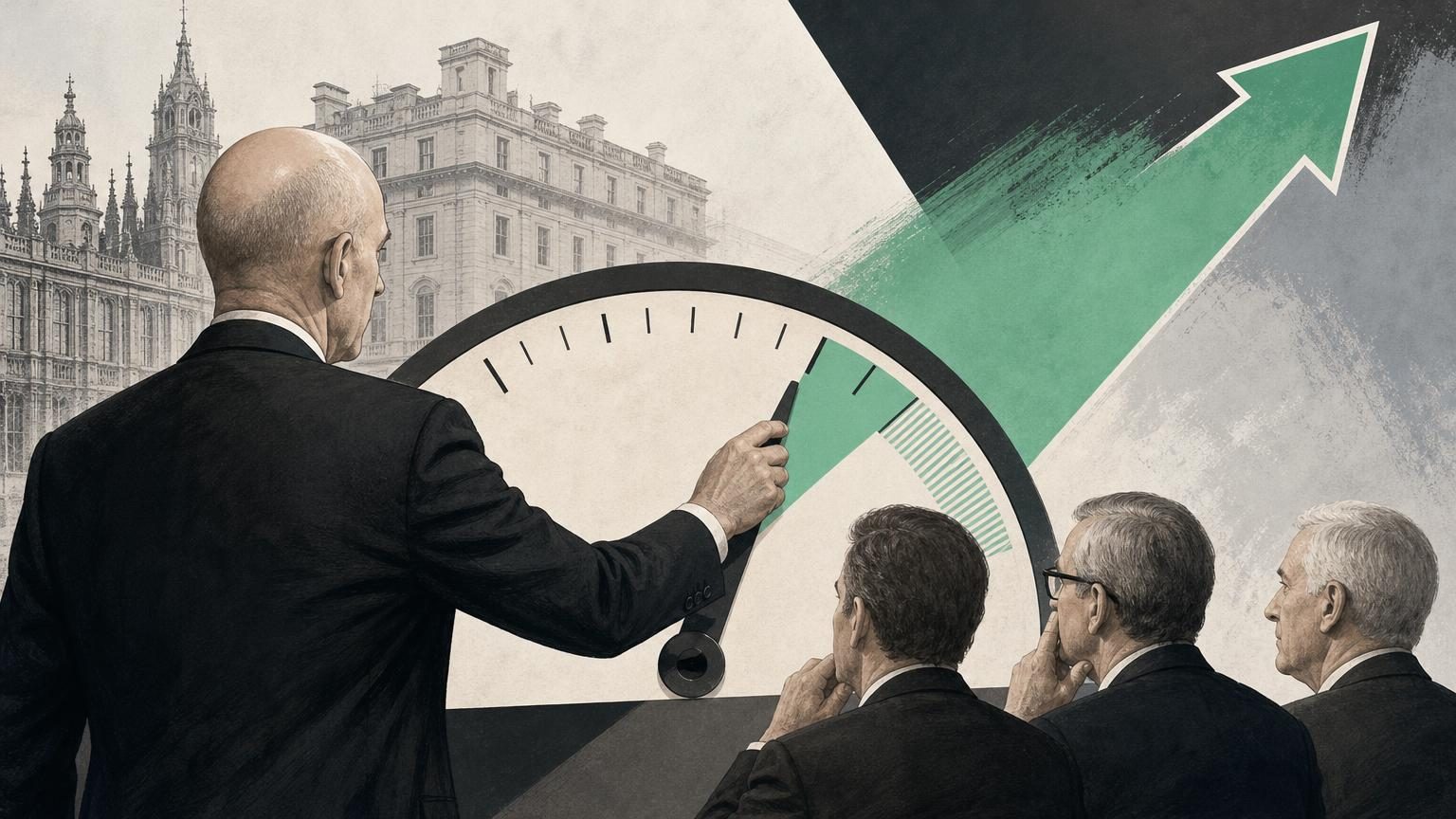
Chancellor of the Exchequer John Healey confirmed in Wednesday's budget that Machine Games Duty will rise from 20% to 25% on higher-stakes machines, a smaller increase than the 40% rate the gaming sector had feared.
Healey said the move would protect pubs and seaside arcades, and that the extra revenue would help fund business rate relief for high streets. He added that Adult Gaming Centres and vape shops would be excluded from that relief.
The announcement followed months of speculation, reported by iGaming Business, that the Social Market Foundation's call in June for a much steeper duty rise, aimed at curbing gambling harm and raising public funds, could see the levy pushed as high as 40%. That figure echoed the jump imposed on remote gambling duty under Healey's predecessor, Rachel Reeves, which rose from 21% to 40%.
Pressure for a tougher measure persisted into last week, when MP Alex Bassinger pushed for Machine Games Duty to be doubled outright. The Betting and Gaming Council opposed that proposal, pointing to EY modelling it commissioned that estimated a doubling could put up to 16,000 jobs at risk and force the closure of roughly 1,500 betting shops and 34 casinos.
Despite the lighter outcome, industry figures stopped short of calling it good news. Rank Group chief executive Richard Harris said in a recent trading update that any rise in the duty would push up costs, weaken venue viability, cost jobs and reduce both investment and tax receipts.
Greg Knight, chief executive of retail operator JenningsBet, told iGB ahead of the budget that a 5-point rise was preferable to the worst-case scenario but still unwelcome. He compared it to a flight delay cut from three hours to thirty minutes, where relief is mistaken for a genuine win, and said the increase remains a significant drain on the business.
Paul Willcock, chief operating officer of Genting Casinos, told a panel audience earlier this month that his company wanted to invest in the UK but needed regulatory certainty first, arguing that stability rather than the tax rate itself was the deciding factor for future capital spending.
Buzz Bingo regional manager Sarah Calakovic told the BBC that a 5% duty increase could tip around 40% of the business's machine operations into loss, even though gaming machines serve as a secondary revenue stream behind bingo itself.
Knight indicated a rise of this scale could still force the closure of a handful of JenningsBet shops. Betting and Gaming Council chief executive Grainne Hurst said any further tax increase piles pressure on an industry already absorbing substantial rises, putting jobs, high streets and funding for British racing at risk.
It remains unclear how operators will formally respond to a duty rise widely viewed across the sector as the lesser of two unwelcome outcomes.