Gambling Commission data exposes gap between bingo halls and slot arcades
Gaming machines now generate roughly two-thirds of the sector's revenue, and regulators are examining how some licensed venues barely offer the game at all.
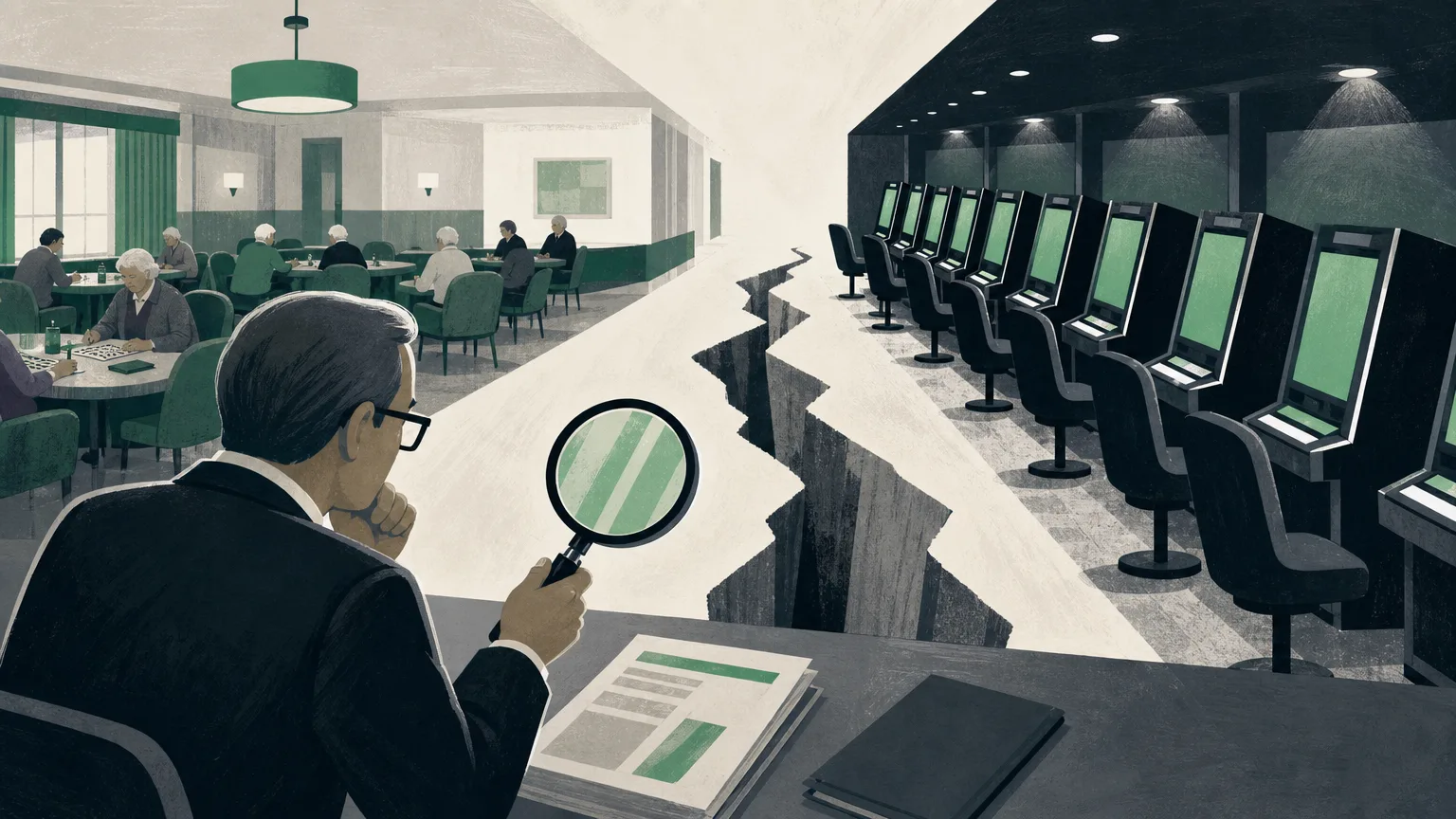
Newly released Gambling Commission figures show that gaming machines produced £461.7 million in gross gambling yield for operators holding bingo licences in the year to March 2026, against £242.1 million from the traditional game itself. Combined turnover for the sector reached £703.8 million, with machines accounting for close to two-thirds of it.
The imbalance has widened steadily. Machine income at these venues has climbed from around £293 million in 2019-20 to £462 million last year, a rise of 57%. Within that total, higher-stake Category B machines have grown even faster, from roughly £197 million to £361 million, and now make up about 78% of machine revenue, up from around 67% six years earlier.
Taken alone, those numbers could simply reflect large clubs leaning more heavily on machines to cover rising property, staffing and energy costs as attendance at scheduled sessions has fallen. But a breakdown by venue type points to something more structural: a widening split in what a licence to run the game actually covers in practice.
Government officials raised the same concern in an October 2025 consultation on licensing, noting a growing number of premises that primarily offer machines and are hard to tell apart from adult gaming centres, or AGCs. Some, the consultation said, dedicate most of their floor space to machines and present them as the first thing customers see on entry.
Commission data split by venue type, using categories drawn from the Bingo Association, illustrates the divide starkly. Operators concentrated in what the trade body calls high-street premises earned less than 1% of their yield from the game itself, with machines supplying almost all the rest. By contrast, operators running traditional clubs took 51% of yield from the game, and those focused on holiday parks took 55%.
iGaming Business examined licensee records for Merkur Slots published by the Commission and found 227 of its 340 venues classified as licensed for the game, against only 106 registered as AGCs. Street-level images of several of the 227 show interiors indistinguishable from a standard slots arcade, with window signage simply noting that the game is played there.
A further hybrid model is also emerging: smaller venues that pair a genuine, if modest, offer of the game with machine gaming aimed at new audiences, rather than copying the large-club format. Separating that kind of innovation from an arcade trading on the wrong type of licence is, by the regulator's own account, genuinely difficult.
The rules governing the split are deliberately loose. Social responsibility code provision 9.1.2 permits machines in licensed premises only where "substantive facilities" for the game are also available, and requires that customers can reasonably recognise the venue as licensed for it. Neither the Gambling Act nor the code sets a minimum floor area, seat count or revenue share, and the Commission has previously chosen not to impose a fixed numerical test, wanting to avoid a rigid standard that would not suit clubs, holiday parks and electronic formats alike.
Electronic terminals add a further complication. A single tablet can run either the game or machine content, though not both simultaneously, so a bank of tablets can technically satisfy the requirement to offer the game while still functioning largely as machine gaming in practice. The current test therefore turns on whether the game is available and visibly presented, not on whether it is the venue's main activity.