Polymarket mispriced Lula's Brazil win, experts say no systemic flaw
Traders on Polymarket were caught out by Luiz Inácio Lula da Silva's runoff victory over Flávio Bolsonaro, but analysts say the episode does not undermine prediction markets ahead of the US midterms.
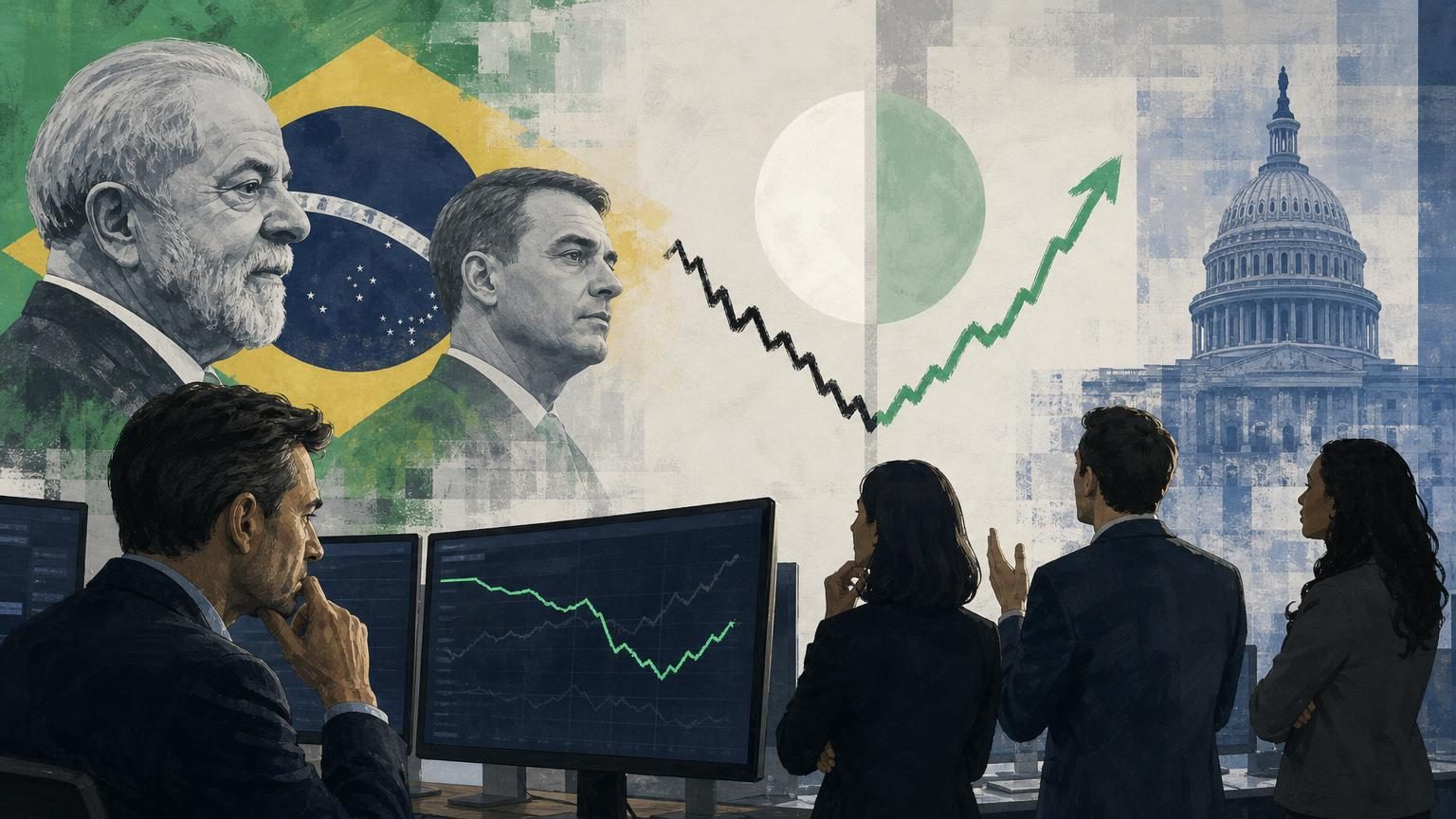
Luiz Inácio Lula da Silva's defeat of Flávio Bolsonaro in Brazil's presidential runoff caught prediction market traders badly wrongfooted, with Polymarket pricing the incumbent's chances at just 13.5% in the immediate aftermath of Bolsonaro's first-round win on 4 October.
Bolsonaro, the Liberal Party candidate, had taken roughly 47% of the vote in that first round. Lula's odds recovered only modestly in the run-up to the runoff before he went on to win, becoming the first candidate since 1989 to capture Brazil's presidency after finishing second in the opening round.
The mispricing produced sharply divergent outcomes for traders. One Polymarket user profited $47,595 by betting against the market consensus, according to iGaming Business. A trader identified as "timetowander" lost around $27,100 on the opposite side of the wager.
Analysts have cautioned against reading the result as evidence of a broader weakness in prediction markets. David Lawant of Anchorage Digital wrote on X that the public drew the wrong lesson from how the markets handled the Brazilian vote, noting that "despite dramatic late twists and turns, they repriced to the new reality before the expert consensus." He added that "prediction markets show you where consensus is, in real time" but that interpreting that data remains the trader's own responsibility.
The Brazil result lands less than two weeks before the US midterms, which Kalshi's Tarek Mansour has called "truly the first prediction market election," iGaming Business reported.
Prediction markets have had a mixed record since surging to prominence during the 2024 US presidential race, when a court ruling cleared Kalshi to offer Congressional Control contracts and trading volume across Kalshi and Polymarket topped $4.2 billion, according to the Pew Research Center. Polymarket priced Donald Trump's chances over Kamala Harris at roughly 58% while most mainstream networks called the race a dead heat. Polymarket chief executive Shayne Coplan later told Netflix the outcome was "gratifying" and gave the industry a "level of credibility."
Since then, markets have misfired elsewhere. In last year's New York City mayoral primary, Andrew Cuomo's odds spiked to 93% before the vote and stood at 57% when polls closed, yet Zohran Mamdani won the first round and extended his lead to 56.4% in the final ranked-choice tally. Markets also failed to anticipate outcomes in the Michigan and Wisconsin primaries, where traditional polling likewise missed, including one Wisconsin race where a candidate trailing by more than 20 points in final polling still won.
A comparable pattern emerged in last October's Dutch election, where Rob Jetten's D66 party overtook Geert Wilders' Party for Freedom despite long odds on prediction markets; D66's implied probability jumped from around 5% to near-certain within minutes of exit polls. Sam Reynolds of Coinbase, citing Polymarket Analytics data, described the pattern as "a test of conviction rather than foresight" among traders who stuck with losing positions.
Commentator Nic Carter, writing on his Murmuration II Substack, argued prediction markets were "meant to provide a financial motive for sharps" to "research alternative data in the form of more accurate odds."
Brazil's case carries its own caveats. Three major domestic polls, including one from Datafolha forecasting a two-point Bolsonaro win, also missed the result. Analysts note that prediction markets remain thinly traded in a country of more than 200 million people, a factor political analyst Bruno Centurion of Fatto Inteligência Política raised with iGaming Business before the election.