Delaware Judge Bars Papaya Gaming From Shifting Assets to Israel
US Bankruptcy Judge Mary Walrath halted offshore transfers from Papaya Gaming's American accounts after finding CEO Oriel Bachar's testimony not credible.
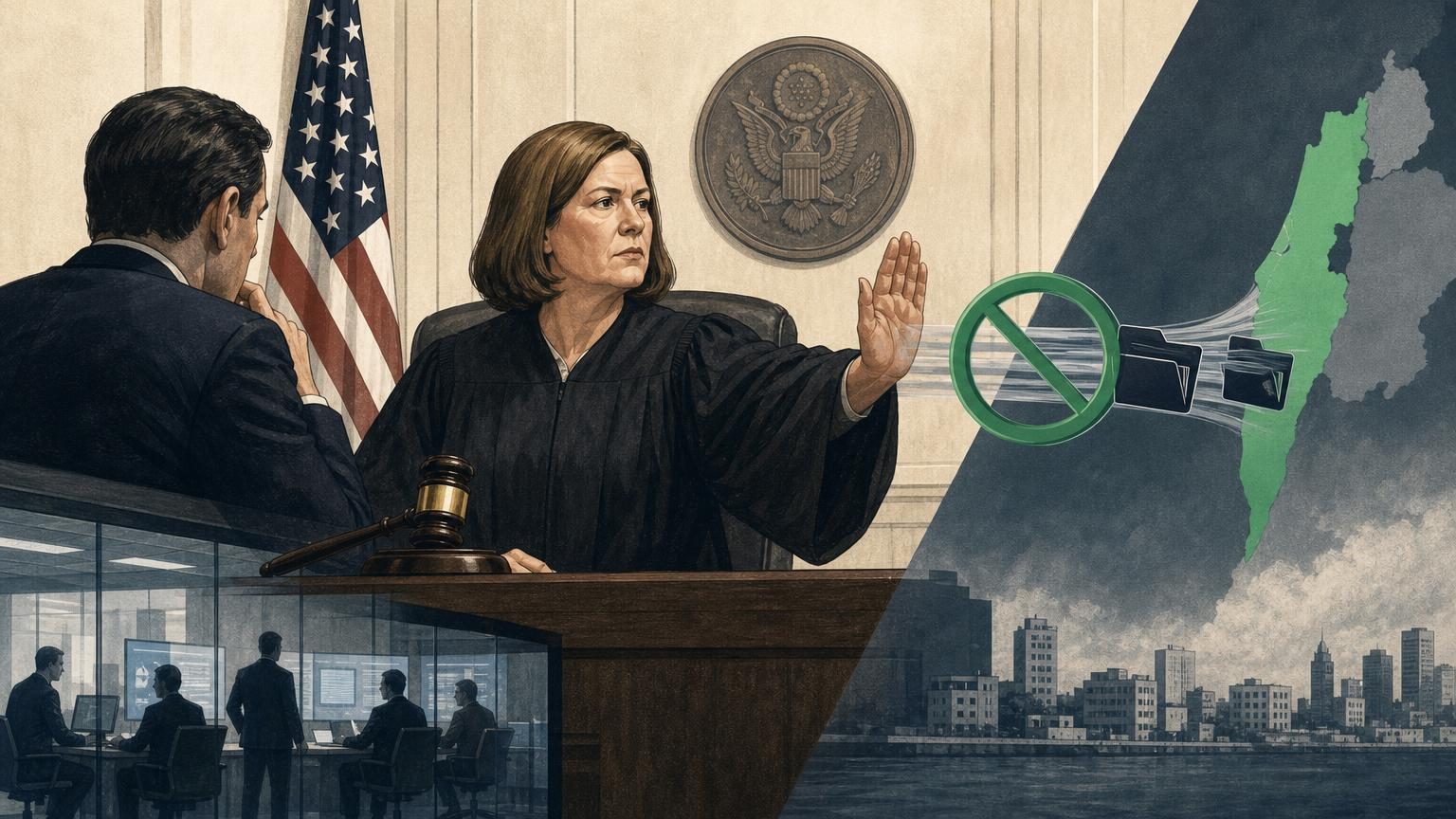
A Delaware bankruptcy judge has ordered Papaya Gaming Inc. to stop moving money out of its US accounts to its Israeli parent, Papaya Gaming Ltd., as the mobile gaming operator pursues debt restructuring abroad.
US Bankruptcy Judge Mary Walrath issued the order on 27 October, according to Casino.org, following a three-day evidentiary hearing held 14-16 October that examined the company's finances in detail.
That hearing established that Papaya had been transferring roughly $30 million a month from its American operations into Israeli accounts. It also showed the company paid its shareholders tens of millions of dollars while the underlying lawsuit was being litigated in US federal court.
Under Walrath's order, Papaya must now disclose every ordinary-course transaction to a designated US trustee on a confidential basis and pre-fund those transactions at 115% of the amount involved. The company is also barred from making payments to affiliates or insiders.
Walrath said Bachar's testimony at the hearing was "not credible," and found that the company had withheld from the New York federal court details of transfers likely to have swayed its earlier ruling on restraining Papaya's US assets. She described Papaya's conduct as "extraordinary" in its fraudulence.
The dispute traces back to April, when a New York federal jury determined that Papaya's false advertising had caused financial harm to Skillz Platform Inc., a Firy Inc. subsidiary. Papaya had advertised quicker matchmaking in real-money games such as Solitaire Cash, Bingo Cash and Bubble Cash, yet players were often paired with automated bots instead of other people.
US District Judge Denise Cote subsequently ordered the company to pay Skillz $719 million, representing disgorgement of its unjust profits. That judgment pushed Papaya into Chapter 15 cross-border bankruptcy protection in the United States.
Although Papaya Gaming Inc. generates roughly 90% of its parent company's revenue, Walrath recognised the parallel Tel Aviv restructuring as the main insolvency proceeding, over Skillz's objections, with the US case designated as nonmain.
Casino.org reported in September that downloads of Papaya's mobile games had surged in the months following the bot-related ruling, despite the adverse judgment.
Papaya has argued it remains profitable after abandoning the use of bots, but says it cannot satisfy the $719 million judgment without a multi-year financing arrangement. It had proposed repaying Skillz over 6.5 years using future operating profits, but an Israeli court rejected that plan.
Papaya is expected to put forward a revised payoff proposal in the coming days. A temporary stay granted by the court in Tel Aviv is due to lapse on 25 November.