Oklahoma tribes lose federal suit over Stitt's gaming compacts
A federal judge has dismissed a five-year challenge by four tribes to compacts Governor Kevin Stitt struck with rival operators, even though Oklahoma's top court found the deals invalid under state law.
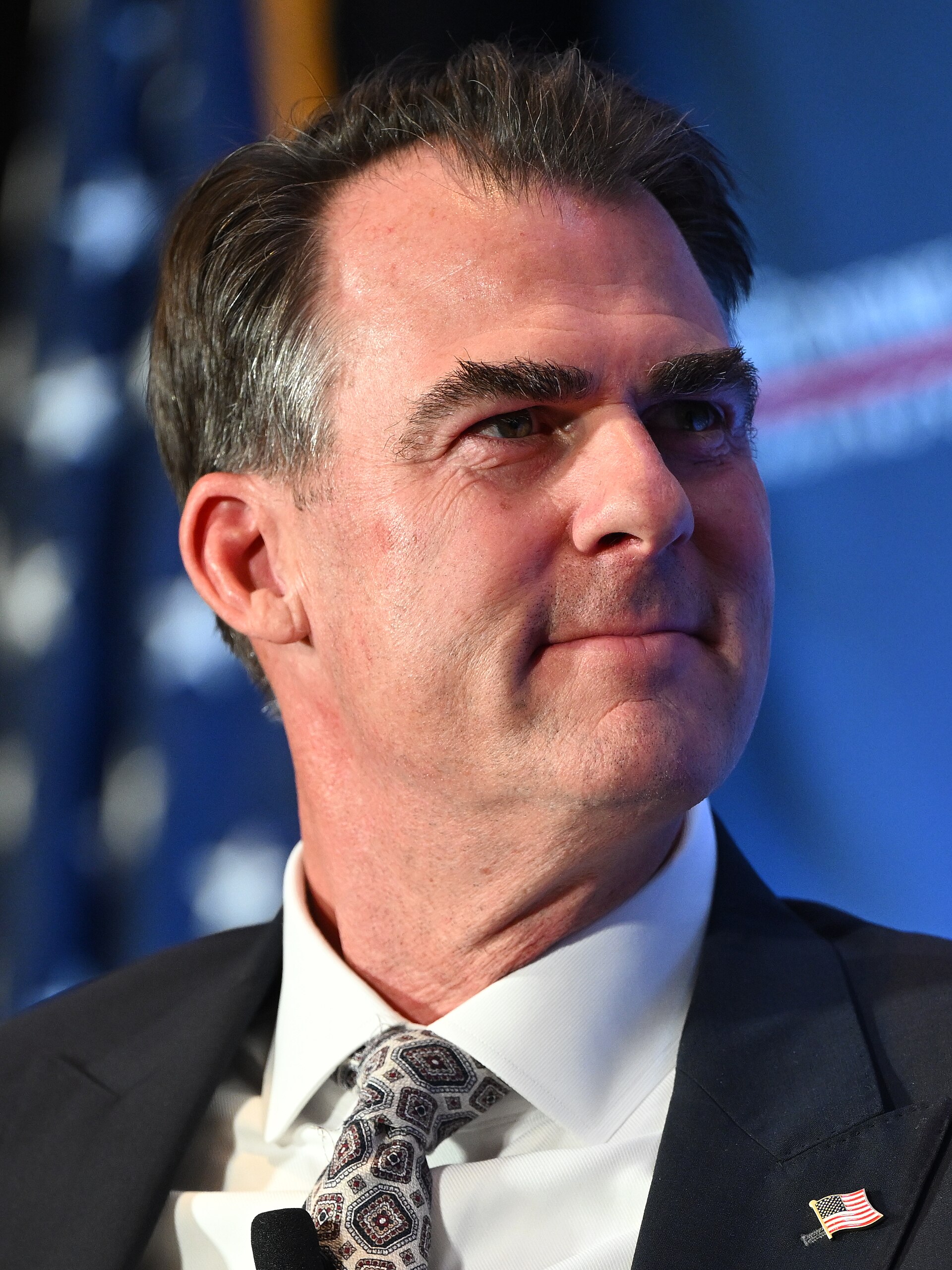
The Cherokee, Chickasaw, Choctaw and Citizen Potawatomi nations have lost their bid to overturn gaming compacts that Oklahoma Governor Kevin Stitt negotiated with the Comanche Nation and Otoe-Missouria Tribe, according to Casino.org News.
US District Judge Timothy J. Kelly dismissed the lawsuit, ruling that the four plaintiff tribes had failed to show they suffered any actual or imminent harm from the agreements.
The dispute stretches back to 2020, when Stitt, a Republican, clashed with Oklahoma's established tribal casino operators over how much of their gaming revenue should flow to the state.
Stitt argued that the model compact most tribes had signed in 2004 expired on 1 January 2020 and needed renegotiating. The tribes countered that the compact language meant it automatically renewed for a further 15 years on that date.
The governor went on to claim that tribes were unlawfully offering Class III gaming after the supposed expiry. A federal judge sided with the tribes' reading of the compact in October 2021, allowing gaming to continue uninterrupted.
Separately, Stitt struck new agreements with the Comanche Nation and Otoe-Missouria Tribe that departed sharply from the existing model. They set a flat 4.5% revenue-sharing rate across most existing casino gaming, below the up to 10% paid under the standard compact, but opened the door to sports betting, extra casino games and as many as six new gaming facilities pending regulatory approval.
The US Department of the Interior let those compacts take effect in June 2020 by declining to act within its 45-day statutory review window, a mechanism known as no-action approval.
Two months later the Oklahoma Supreme Court ruled that Stitt had exceeded his authority by authorising activities, including sports betting, that remained illegal under state law, and declared the compacts invalid without legislative backing.
The four tribes then challenged the federal approvals directly, arguing the compacts handed the Comanche Nation and Otoe-Missouria Tribe an unfair competitive edge.
Judge Kelly rejected that case on standing grounds. He noted both tribes already ran casinos before the compacts took effect, so their continued presence did not amount to new competition.
The additional products envisaged in the agreements, including sports betting, remain unauthorised under Oklahoma law and are not actually being offered, the judge found. Plans for six further casinos were equally speculative, since the federal land-approval process required to build them had not even begun.
The plaintiffs had also argued that lower revenue-sharing payments would let their rivals fund bigger jackpots and nicer amenities. Kelly said there was no evidence for that, pointing out that tribal gaming revenue typically supports government operations and services rather than being ploughed back into casino floors.
The ruling leaves the underlying legal status of the compacts unsettled. It does not determine whether the agreements are valid under federal law, and it does not disturb the Oklahoma Supreme Court's earlier finding that they are invalid under state law.
Photo credits
File photo. Photo: Maryland GovPics · CC BY 4.0 · via Wikimedia Commons
