Kindbridge Study Finds Military Culture Blocks Gambling Harm Treatment
Research released around Veterans Day says stigma and career fears stop many service members seeking help for gambling problems, even as the Pentagon operates thousands of slot machines overseas.
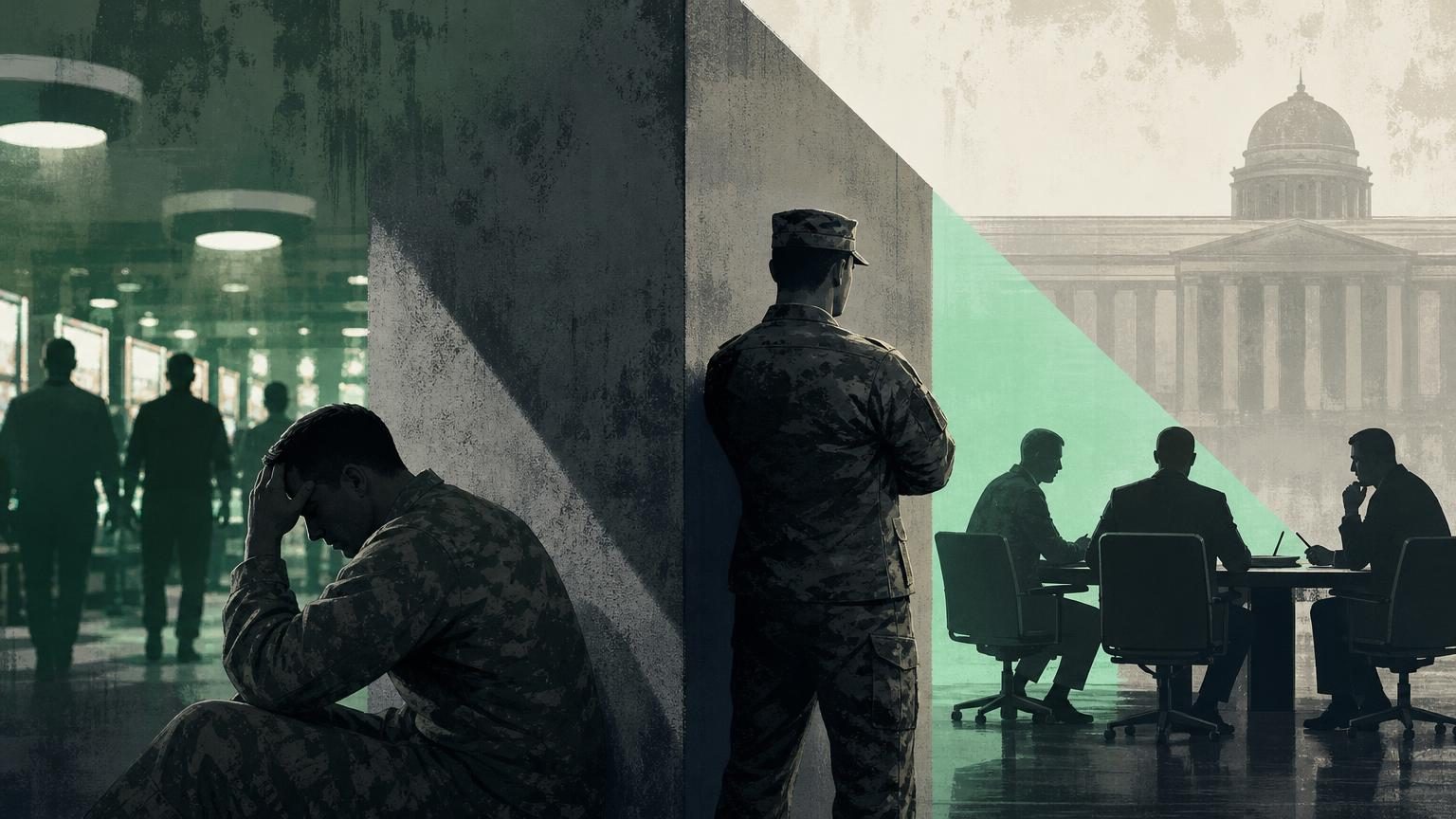
Service members facing gambling problems are often deterred from seeking help by military culture and the stigma attached to admitting financial or behavioural difficulties, according to new research published to coincide with Veterans Day.
The findings come from the Kindbridge Research Institute's Financial Stability and Responsible Gaming Initiative, working alongside the group Stigma Stand Down. Their report, Gambling-Related Financial Harm in Military Communities, argues that problems linked to gambling tend to surface only once a crisis has already taken hold, making early detection especially difficult within the armed forces.
Dishi Umfleet, executive director of the Kindbridge Research Institute, said the sector needs to identify warning signs of gambling-related financial harm sooner, while tackling the stigma and career worries that stop personnel from coming forward.
The report points to demographic and structural factors that leave military communities more exposed to gambling disorders than the wider population. The six branches skew young and predominantly male, a profile researchers associate with higher-risk gambling behaviour generally. Add in elevated stress, exposure to trauma, frequent postings and long stretches away from family, and the report concludes many service members accept gambling risks that civilians would not.
Researchers also pointed to a military culture they describe as competitive by design, which the study suggests can reinforce a willingness to take on that extra risk.
Casino.org News, which first reported the study, noted that the Department of Defense maintains an estimated 3,000 slot machines on overseas bases, generating more than $100 million a year for the federal government. The Pentagon has said that revenue is channelled back into morale, welfare and recreation programmes for troops.
What the study recommends
The FSRG and Stigma Stand Down teams want the military to build out education, outreach and treatment infrastructure specifically for problem gambling, with an emphasis on reducing stigma, widening access to services and protecting the anonymity of anyone who comes forward.
Among the proposals is a partnership between the armed forces and an independent nonprofit to run anonymous self-check tools and telehealth support for gambling concerns. The report also calls for unit commands to be trained to spot problem gambling and to frame help-seeking as what it terms a readiness issue rather than a disciplinary one.
Military counsellors and clinicians, the study adds, should routinely ask about gambling during annual and other standard screenings, rather than waiting for a crisis to prompt the conversation.
The release lands against a backdrop of cultural change at the Pentagon under Defense Secretary Pete Hegseth, who has made ending what he calls a woke culture in military leadership a central theme of his tenure. Speaking at Marine Corps Base Quantico in September 2025, Hegseth said the era of politically correct, overly sensitive leadership was over, adding that his predecessors had put complainers, ideologues and poor performers in charge.
The study does not address how that cultural shift might intersect with efforts to destigmatise gambling-related help-seeking, but the tension between a toughened command culture and calls for more open, anonymous support channels is likely to shape how any of its recommendations are received within the services.