Estonia moves to scrap planned iGaming tax discount
The Riigikogu has approved a bill reversing a phased cut in Estonia's online gambling tax, reinstating the 7% rate amid budget shortfalls and coalition disputes.
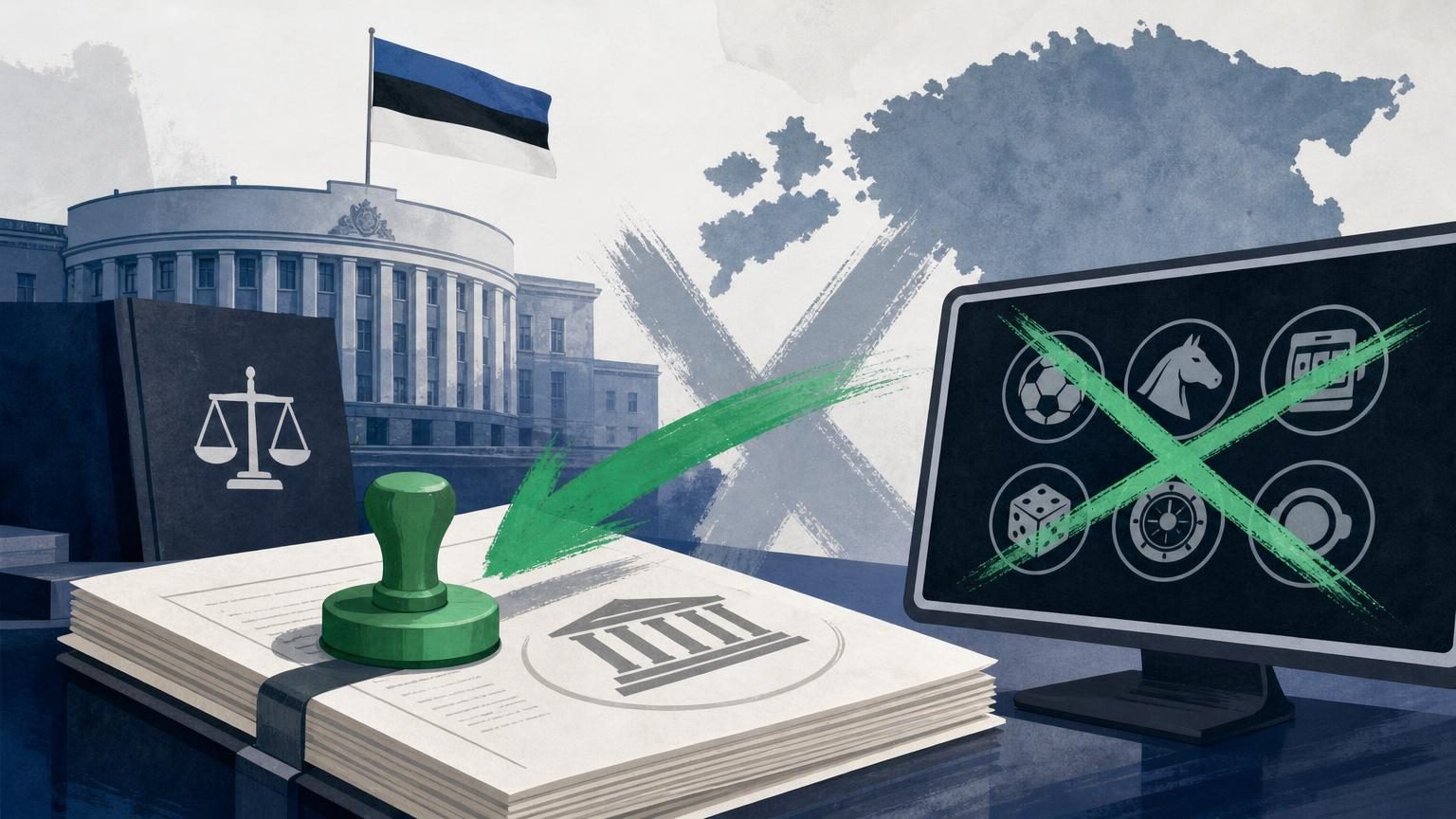
Estonia's parliament has approved articles to repeal a planned reduction in its online gambling tax, abandoning an earlier strategy to position the country as a commercial base for iGaming operators within the Baltics.
The Riigikogu passed the first reading of the Bill on Amendments to the Gambling Tax Act and Other Acts (984 SE), initiated by the Isamaa Parliamentary Group, according to SBC News. The legislation would cancel a scheduled taper that was due to cut the tax on online gambling licences from 7% to 4% by 2029.
Under the original timetable, the rate was to fall from 6% to 5.5% in 2026, then to 5% in 2027, 4.5% in 2028, and finally 4% from 1 January 2029 — a level that would have matched Malta, long regarded as the European Union's established hub for online gambling licensing.
The bill's initiators argue the reductions are "unjustified and harm public finances", and the repeal would see Estonia's coalition government, led by the Reform Party alongside junior partner Eesti 200, restore the standard 7% charge on gambling income.
Eesti 200 had originally championed the discount as part of a 2026 economic programme intended to attract both B2C and B2B gambling businesses to domicile in Estonia. Party leader Kristina Kallas had also presented the tax cut as a route to funding Estonian professional sport, including a national stadium, through dedicated tax revenue.
Prime Minister Kristen Michal of the Reform Party ordered a review of the discount in August, citing fiscal and budgetary concerns. The Ministry of Finance told Michal that only two applications for domicile had been received under the scheme, with one rejected immediately, according to SBC News.
Reform placed the policy under immediate review after gambling tax receipts fell by 9.7% in the first seven months of 2026. The Cultural Endowment, which draws the bulk of its funding from gambling taxes, reported a projected shortfall of €6m–€7m for 2027.
The dispute has exposed friction within the coalition, with figures from Reform and Eesti 200 blaming each other's motives for the policy's failure. Piia Schults, a long-serving adviser in the Riigikogu Chancellery, was dismissed over a clerical error in the Gambling Tax Act that SBC News reported cost the state around £3.45m in projected revenue for the year.
Eesti Minister Tanel Tein, who sponsored the original bill cutting the rate to 4%, said Reform had intended to undermine the plan from the outset and argued that its effectiveness could not fairly be assessed after only a year in force.
Finance Minister Jürgen Ligi of the Reform Party described the tax discount as "bad policy" but said any reversal was a matter for parliament to decide. Ahead of the Budget, Ligi instructed the cabinet to withdraw government support for the Eesti 200 bill, sending it back for review.