Entain, BGC and BHA warn of fallout from new gambling tax
Operators and trade bodies react to Chancellor John Healey's Machine Games Duty rise, with Entain citing a £25m hit and the BGC warning of high street job losses.
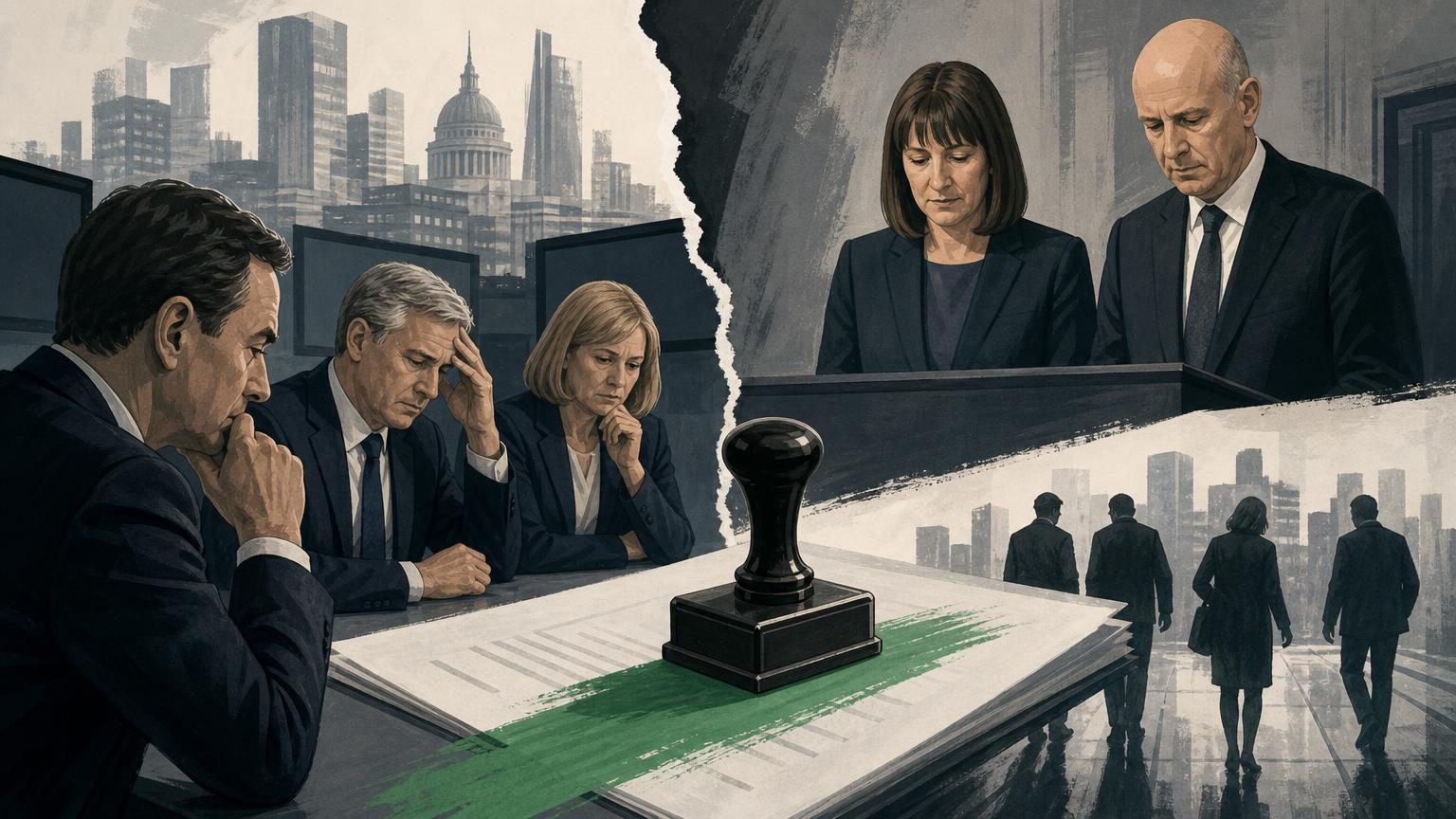
Chancellor John Healey's first Budget under Prime Minister Andy Burnham has drawn sharp criticism from across the UK gambling industry, after he confirmed a rise in Machine Games Duty from 20% to 25%, SBC News reported.
The increase is lower than the 40% rate pushed for by campaigners including the Social Market Foundation, but it lands on an industry still absorbing last year's remote gaming tax rises under former Chancellor Rachel Reeves.
The Office for Budget Responsibility expects betting and gaming receipts to rise 31% to £5bn in 2026/27, largely as a result of the 2025 remote gaming duty increase, with growth of around 3.4% a year projected to reach £6bn by 2031/32. The new MGD rate alone is forecast to raise £100m annually from 2027/28.
The OBR also said remote gaming duty receipts had come in stronger than expected, which it attributed to a slower-than-anticipated drop in gambling activity following last year's increase, rather than the revenue erosion it had previously flagged as a risk.
Entain, owner of Ladbrokes and Coral, said the change would cost its UK and Ireland business roughly £25m immediately. The operator told stakeholders it expects to fully offset the impact within just over two years, by the end of 2028, and left its FY26 guidance and £500m annual adjusted cash flow forecast for 2028 unchanged.
Chief executive Stella David said the tax rises announced last November had "already had detrimental consequences across the industry, with the effects being felt by employees, communities as well as customers." She added that Entain would "continue to work hard to limit the impact of these changes on our business, our people, and the communities in which we operate," with jobs and the retail estate a priority.
The Betting and Gaming Council, the industry's largest trade body, forecast widespread closures on British high streets, concentrated in the North of England and Scotland. Citing analysis from EY, the BGC said almost 9,000 jobs and around 1,000 betting shops and casinos were at risk from the new 25% MGD rate.
BGC chief executive Grainne Hurst called it "a deeply damaging decision and a blow to the thousands of workers, businesses and communities who depend on Britain's regulated betting and gaming industry." She warned that casino closures would be significant given their role as major local employers, and said the Chancellor had chosen a tax rise that would "cost British jobs, close businesses and hollow out high streets, while handing an advantage to illegal operators."
The British Horseracing Authority also raised concerns, given the sport's reliance on betting revenue. Chief executive Brant Dunshea said the 40% worst-case scenario had been avoided but that the confirmed increase "could still prove devastating for the future of our sport – impacting prize money, the viability of racecourses, thousands of jobs; and vital horse welfare projects and research."
Dunshea said the BHA would push for urgent talks with ministers, pointing out that racing is the only sport that receives a statutory levy funded by bookmakers, as it looks to establish how the impacts of the tax rise could be reduced.