Entain Says Tax Rise Will Add £25m Annual Cost to Retail Arm
A rise in Machine Games Duty announced in the UK budget will cost Entain's Ladbrokes and Coral shops £25 million a year, as the BGC warns of widespread closures and job losses.
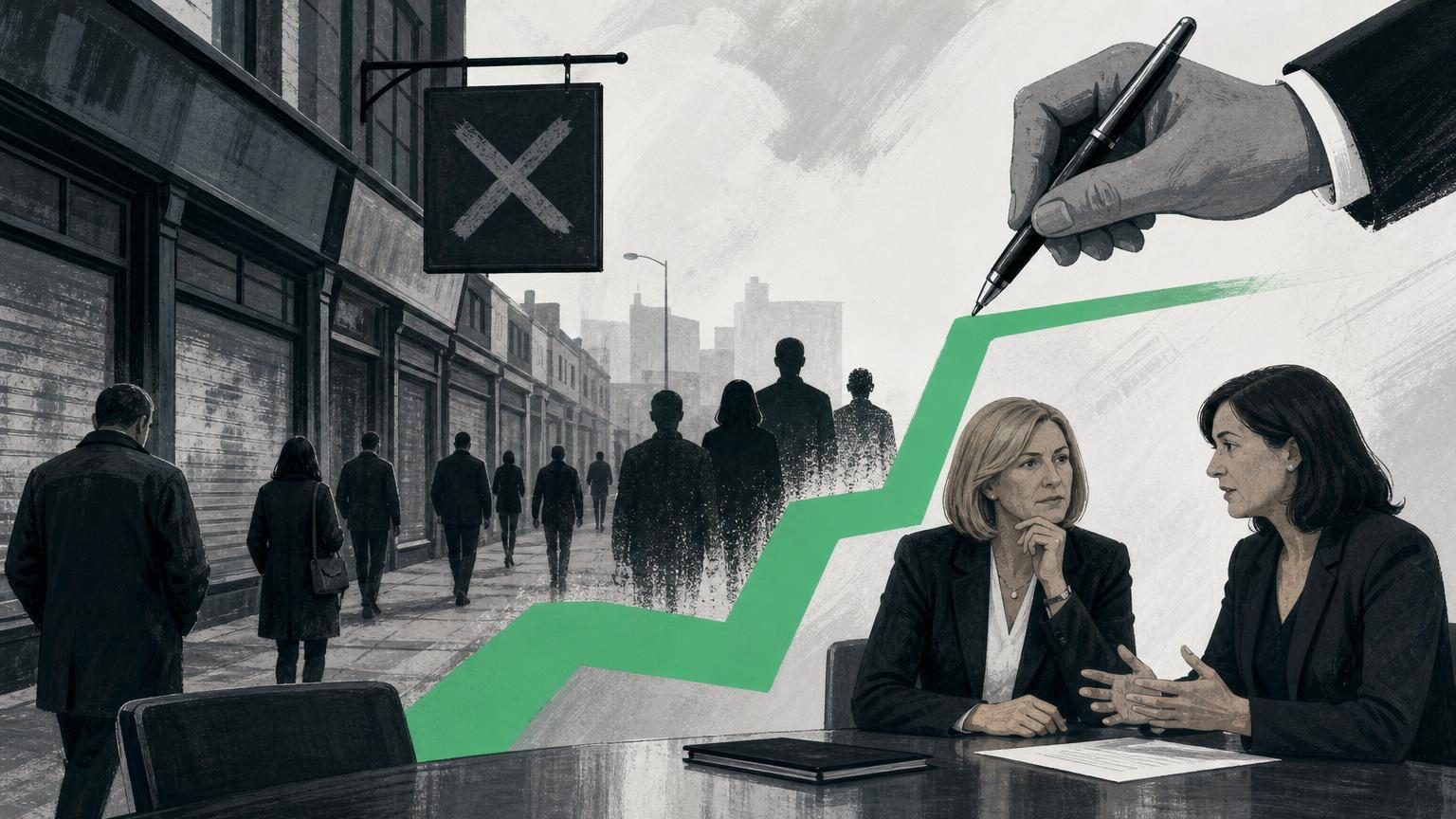
Entain expects to absorb an extra £25 million ($33 million) a year in tax after Chancellor John Healey raised Machine Games Duty in Wednesday's budget, lifting the rate from 20% to 25% from April 2027.
The higher rate applies to machines where stakes exceed £1 or prizes exceed £100, leaving the lower-stake machines common in pubs untouched. The Treasury said the extra revenue would help pay for a freeze on business rates for retail, hospitality and leisure firms.
It is the second round of gambling tax rises in under a year. Remote Gaming Duty went up to 40% in April 2026, and General Betting Duty is due to rise to 25% in April 2027, both stemming from changes first set out in November 2025.
Entain, owner of Ladbrokes and Coral, said the Machine Games Duty change would add roughly £25 million annually to the running costs of its UK and Ireland retail arm before any mitigation, though it expects to claw that back by the end of 2028 through a smaller shop estate and other efficiencies.
The operator also pointed to a potential upside, saying rivals scaling back their presence on the British high street could hand it a chance to pick up customers leaving other brands.
Chief executive Stella David had written to Prime Minister Andy Burnham in September asking him to weigh the knock-on effects on betting shops before any further tax change. Following the budget, she said the decision was "another disappointing decision by the government," adding that the previous round of increases had already caused damage "across the industry, with the effects being felt by employees, communities as well as customers."
David warned that the latest rise would "further compound that damage and push more people into the growing illegal market," while saying Entain's focus was on protecting jobs and keeping a viable retail footprint on the high street.
The Betting and Gaming Council, the trade body representing licensed operators, said research by EY pointed to almost 9,000 jobs at risk and close to 1,000 betting shops and casinos either closing or facing serious threat of closure, with land-based casinos in northern England and Scotland seen as particularly exposed.
BGC chief executive Grainne Hurst said the government had pressed ahead despite repeated warnings, noting that "these are real people and families facing the loss of their income and security, in places where alternative work can be hard to find."
Hurst also argued that pushing taxes higher on licensed firms would make unlicensed gambling sites more attractive, since those operators pay no UK duty and offer none of the protections required of regulated businesses.
According to the BGC, the licensed betting and gaming sector supports 109,000 jobs across the country, contributes £6.8 billion to the economy and generates more than £4 billion in tax.