DraftKings Denies Targeting Problem Gamblers in Reply to Congress
The sportsbook told three Democratic lawmakers it does not use AI to identify likely losers or market to self-excluded customers, as scrutiny of VIP programmes continues.
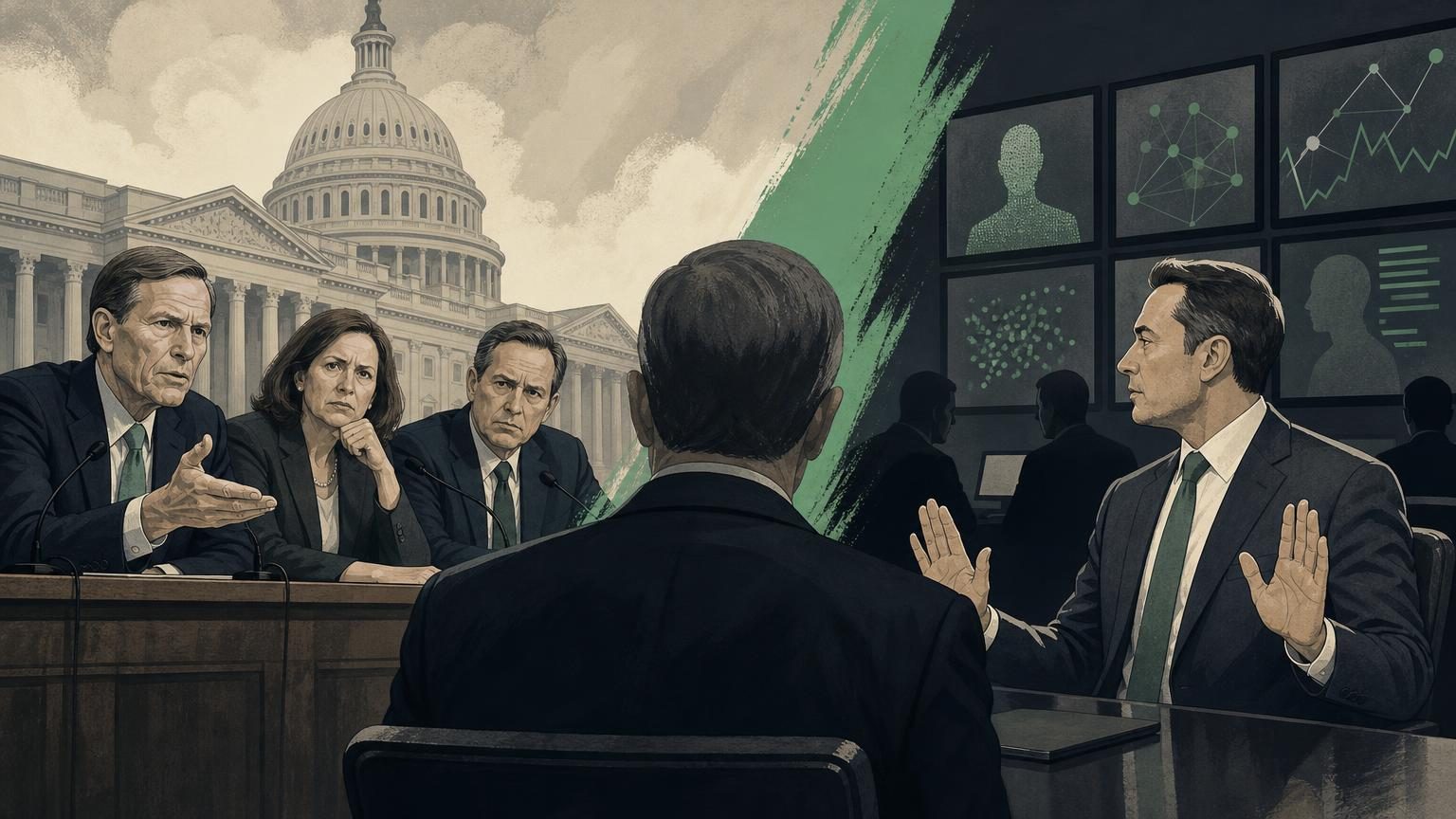
DraftKings has told congressional Democrats that it does not single out losing or vulnerable customers for extra incentives, pushing back on allegations that have dogged the sportsbook since the summer.
The response, reported by Casino.org News, came after Senator Richard Blumenthal of Connecticut and Representatives Paul Tonko of New York and Valerie Foushee of North Carolina demanded an explanation of how DraftKings uses artificial intelligence and data science to shape customer marketing.
DraftKings told the lawmakers it does not target anyone based on indicators of potential problem gaming, and does not attempt to identify which customers are most likely to lose in order to encourage them to bet more.
The company said its data science work is used to tailor promotions to customer preferences, describing the practice as a basic marketing approach, and said offers are not designed to push customers toward larger wagers than they typically place.
The scrutiny traces back to a July controversy involving rival operator FanDuel, which sent a personalised video message from Philadelphia Phillies player Bryce Harper to Terry Thompson, a customer with a known gambling problem. Thompson lost more than $1.5 million betting with FanDuel and $300,000 with DraftKings before entering a psychiatric facility, and has since sued both companies.
DraftKings came under separate pressure after a ProPublica journalist posed as a problem gambler and said the operator enrolled him as a VIP customer rather than intervening with responsible gambling support.
On VIP hosts specifically, DraftKings said their primary purpose is creating an engaging experience for high-volume players and persuading them to choose DraftKings over competing platforms. The company said hosts complete responsible engagement training and must each month randomly select ten of their customers for a responsible engagement check, asking whether they are playing within their means, whether betting has hurt their life, and whether they see it primarily as entertainment. Customers who give concerning or inadequate answers are referred to DraftKings' Responsible Engagement Team, the company said.
DraftKings also said customers who are self-excluded or in a cool-off period receive no promotions or marketing, and that it does not proactively market to those accounts for at least 30 days after a cool-off or exclusion period ends.
Blumenthal and Tonko have pushed for several years for federal restrictions on sports betting operators through the Supporting Affordability & Fairness With Every Bet Act, known as the SAFE Bet Act, which would require regular affordability checks on customers, cap deposits at five per 24-hour period, and ban the use of credit cards for sports betting deposits nationwide.
The bill, first introduced in 2024, has not advanced in Congress. With Democrats due to take control of Congress in January, the lawmakers' renewed questioning of DraftKings and FanDuel suggests the legislation could resurface in 2027.