Brazil's betting ban fuels early surge in illegal gambling sites
Data from BetLegal and Blask shows unlicensed operators gaining ground days after President Lula's online gambling ban, as legal firms pin hopes on a Supreme Court or Congress reversal before the election run-off.
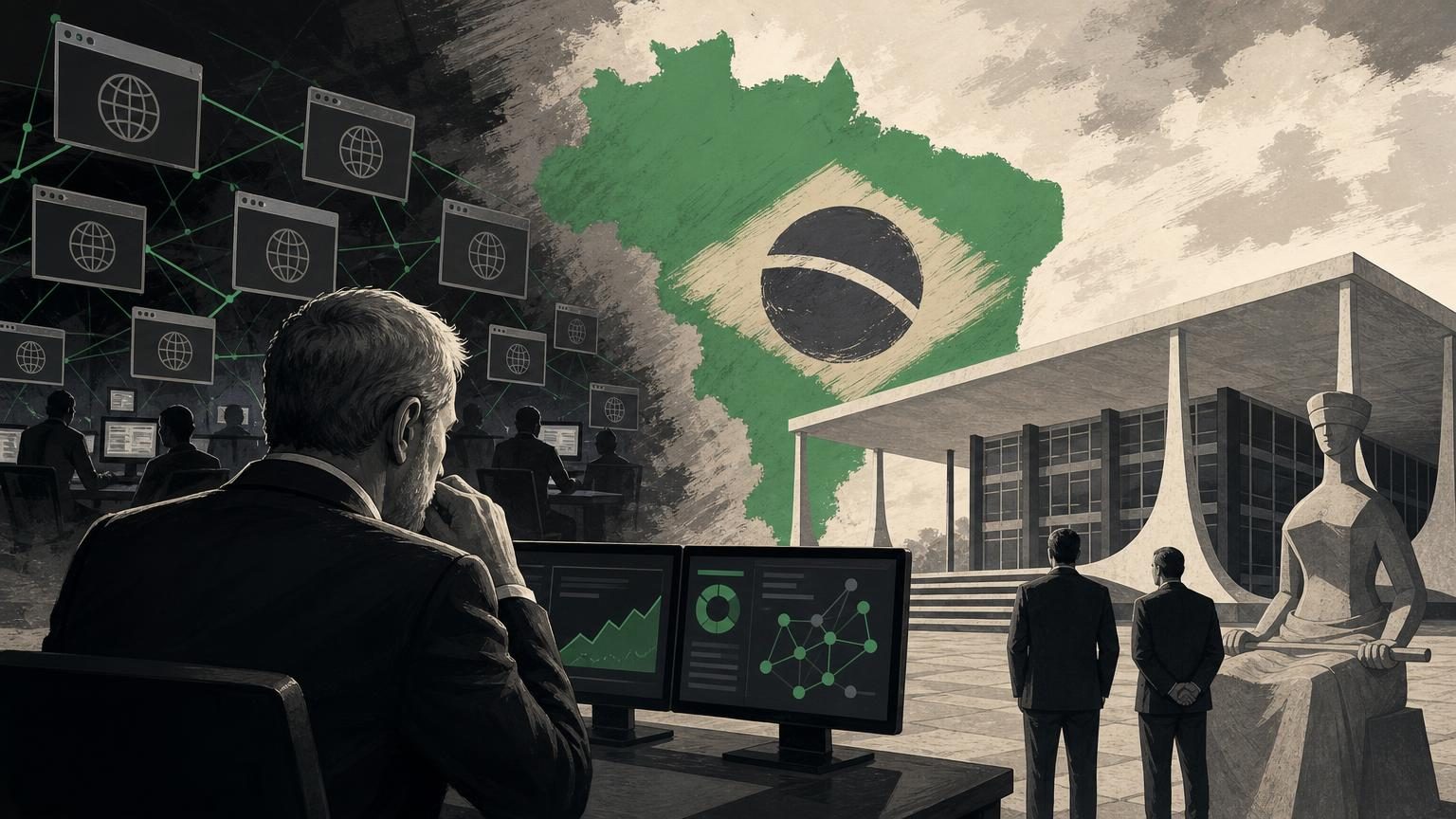
Fresh market data suggests Brazil's abrupt ban on online gambling is pushing customers towards unregulated operators rather than away from betting altogether, according to figures reported by SBC News.
President Lula da Silva announced the ban nine days before the first round of the presidential election. BetLegal, a monitoring tool run by the National Association of Games and Lottery, recorded 575 unauthorised betting sites on 26 September, the day the ban was confirmed. That was up from 311 the previous day, a 74% jump in unlicensed listings within 24 hours.
Separate tracking from betting data provider Blask indicates that Brazilian bettors are gradually moving funds out of licensed accounts and onto offshore.com platforms, broadly in step with the government's own withdrawal timetable.
Legal operators have not given up on reversing the policy. The measure still faces scrutiny from the Supreme Court and Congress, and from voters ahead of the presidential run-off on 25 October.
"We're hoping the process will find a different outcome," said Albert Simehnson, Deputy Chief Executive Officer at Super Technologies, owner of the Superbet brand, speaking at the SBC Summit in Lisbon.
Simehnson argued that the current approach "does not reduce betting or gambling harm, it simply moves it to the platforms where people in Brazil will be less protected, less less taken care of, and with far greater risk of addiction or any other side effect that the policymakers might worry about."
The ban followed a run of political and regulatory pressure on the sector. A restriction on online casino products had been widely anticipated, but Lula opted for a full shutdown, a course reportedly shaped by Sidônio Palmeira, the minister for social communication who led his 2022 campaign.
Executives from Allwyn Digital, Flutter Entertainment and Betsson appeared alongside Simehnson in Lisbon and echoed his warning about driving activity into unsupervised markets.
Blask's figures show the shift has been gradual rather than sudden. Visits to licensed sites using the bet.br domain fell by 74% in the week to 1 October, while search interest in licensed brand names dropped by between 82% and 83% over the same period, partly reflecting customers rushing to close accounts before the 5 October withdrawal deadline.
Offshore operators have barely registered the disruption by comparison. Branded search demand for unlicensed sites slipped only seven percentage points, to 17%, while traffic to those platforms stayed within 11% of normal levels. Activity per visitor on unlicensed sites rose by as much as 40%, and their overall share of branded search climbed from 4% to 16%.
Blask has drawn a direct comparison with India, which banned real-money gaming last year and saw operators including Flutter's Junglee brand exit the market, while fantasy sports platform Dream11 was forced to overhaul its business model.
In India, regulated real-money gaming reach fell 73% over three months, yet 63% of Indian players were still active after that period, largely through unlicensed operators. Brazil's decline has been far sharper and faster, with regulated reach dropping 74% in the ban's first week alone, a pace Blask attributes to the compressed timetable Lula set ahead of the 4 October ban deadline.
On that trajectory, Blask estimates that the large majority of Brazil's roughly 25.2 million legal bettors will end up placing wagers through unlicensed sites rather than stopping altogether.
Allwyn Digital chief executive Krasimir Spajic summed up the operators' position in Lisbon. "If we ban certain gaming activity from the market, that doesn't mean that that activity is going to stop existing," he said, adding that it instead moves "to somebody who is not regulated, to somebody that does not pay taxes within the country."