1xBet adviser Simon Westbury warns gambling industry losing social licence
Simon Westbury of 1xCare says UK prime minister Andy Burnham's criticism reflects a wider perception problem that regulation alone will not fix, as unpublished research flags compliance culture over player protection.
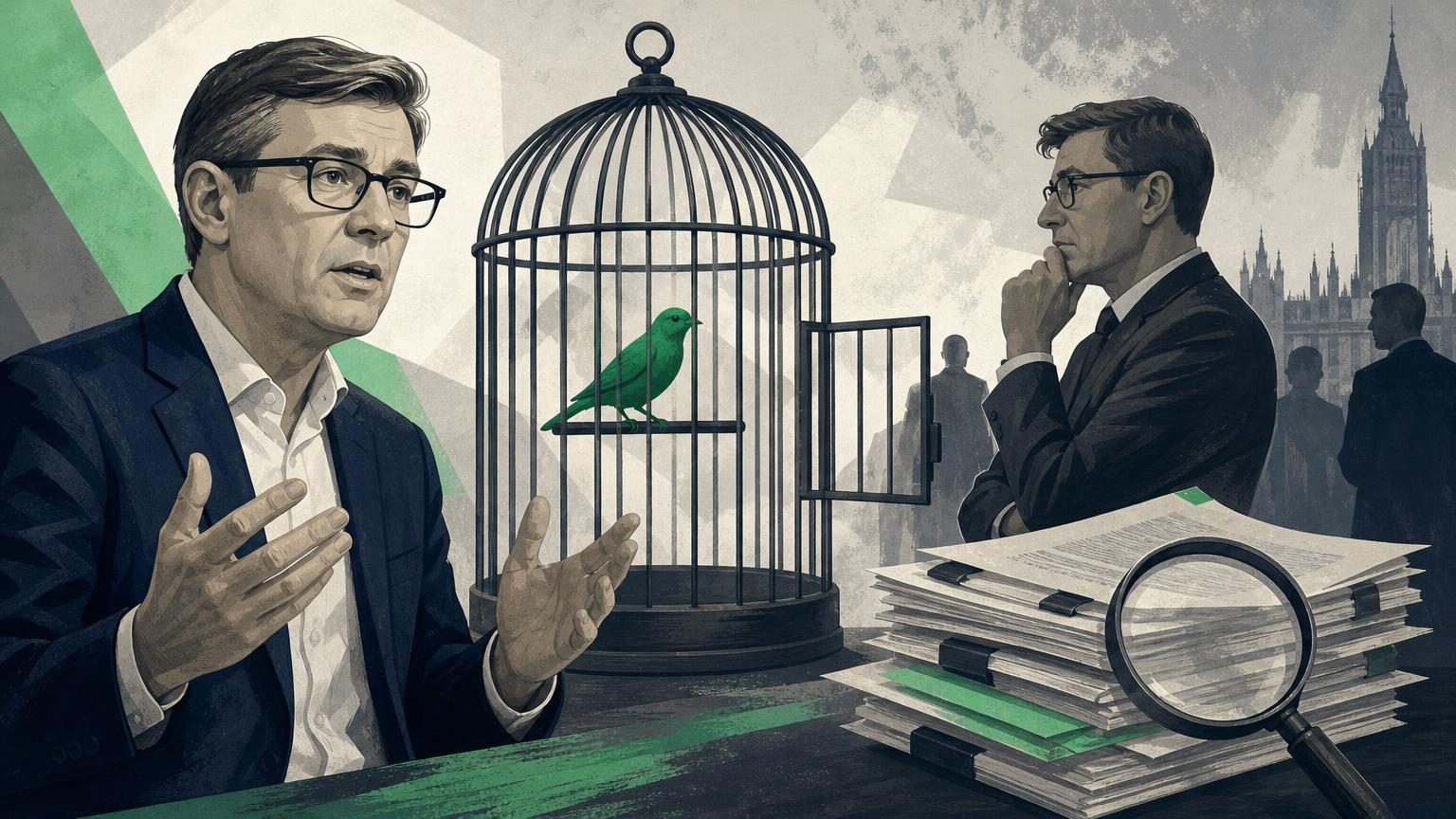
UK prime minister Andy Burnham's August social media post grouping betting shops with "dodgy businesses" alongside vape shops has prompted renewed debate over the gambling industry's standing with the public, according to iGaming Business.
Simon Westbury, strategic adviser to 1xBet and, since July, director of player-welfare body 1xCare and chairperson of its advisory board committee, told iGB that Burnham's comment reflects a deeper problem than a single remark by a politician.
"It's an example of the industry losing their social licence and their ability to operate in an environment," Westbury said, adding that the prime minister's framing was not supported by evidence but still carried weight with the public.
Westbury, who has 18 years in the industry including senior roles at BetSoft and Digitain and a stint as administration manager at Sheffield United, said he was speaking from "an outsider's point of view" given 1xBet does not operate in the UK market.
He was critical of operators who responded to Burnham's post by pointing to their regulatory status. "Some of the industry threw their arms up in the air and said, 'But we're regulated, vape shops are not'. But just saying you're regulated doesn't change the perception and doesn't move the discussion forward to a point where we may change this or actually start challenging some of the polarised views that exist," he said.
Westbury pointed out that 1xBet holds more than 35 local licences, with further additions planned, but argued that regulatory compliance on its own does little to shift public opinion if unlicensed offshore activity continues to expand. "Everyone believes in regulation. Everyone understands regulation is needed, but it may not be perceived as beneficial if the offshore market is growing," he said.
He framed the solution around the concept of social licence, which he described as acceptance from the wider community rather than a formal legal status. "Every industry operates or engages with its customers within the ability of a social licence," he told iGB, calling for operators to "re-engage and gain back our social licence to operate" by putting players at the centre of their business.
Westbury linked the industry's reputational problems to short-term commercial behaviour, including welcome offers with unrealistic wagering requirements. "There's a very strong anti-gambling lobby," he said, adding that the sector has focused on "instantaneity, pushing the envelope, finding loopholes, finding ways to operate" rather than building durable trust.
He also raised concerns about prediction markets and sweepstakes adopting products similar to those used in traditional gambling, suggesting this could reinforce negative perceptions, though he stopped short of offering a personal view on those sectors.
On the wider political climate, which includes a total online gambling ban in Brazil and tighter advertising restrictions in Italy, the Netherlands and Spain, Westbury said research in the field tends to be polarised between pro- and anti-gambling positions. Without wishing to sound like Tony Blair, he said he was trying to find research that was "something different – something meaningful and something impactful," adding that such work "will take time."
Westbury also previewed unpublished research from 1xCare showing that 55% of participating operators considered compliance more important than player protection. "I think that's concerning," he said, arguing that safer-gambling tools need to be built in "from conception to delivery," including by third-party suppliers developing new products such as slot games.