UK gambling duty rises 5 points as illicit market warnings mount
Chancellor John Healey's five-percentage-point MGD increase is smaller than feared, but advisers warn it adds to a wider tax squeeze and risks pushing punters toward unlicensed operators.
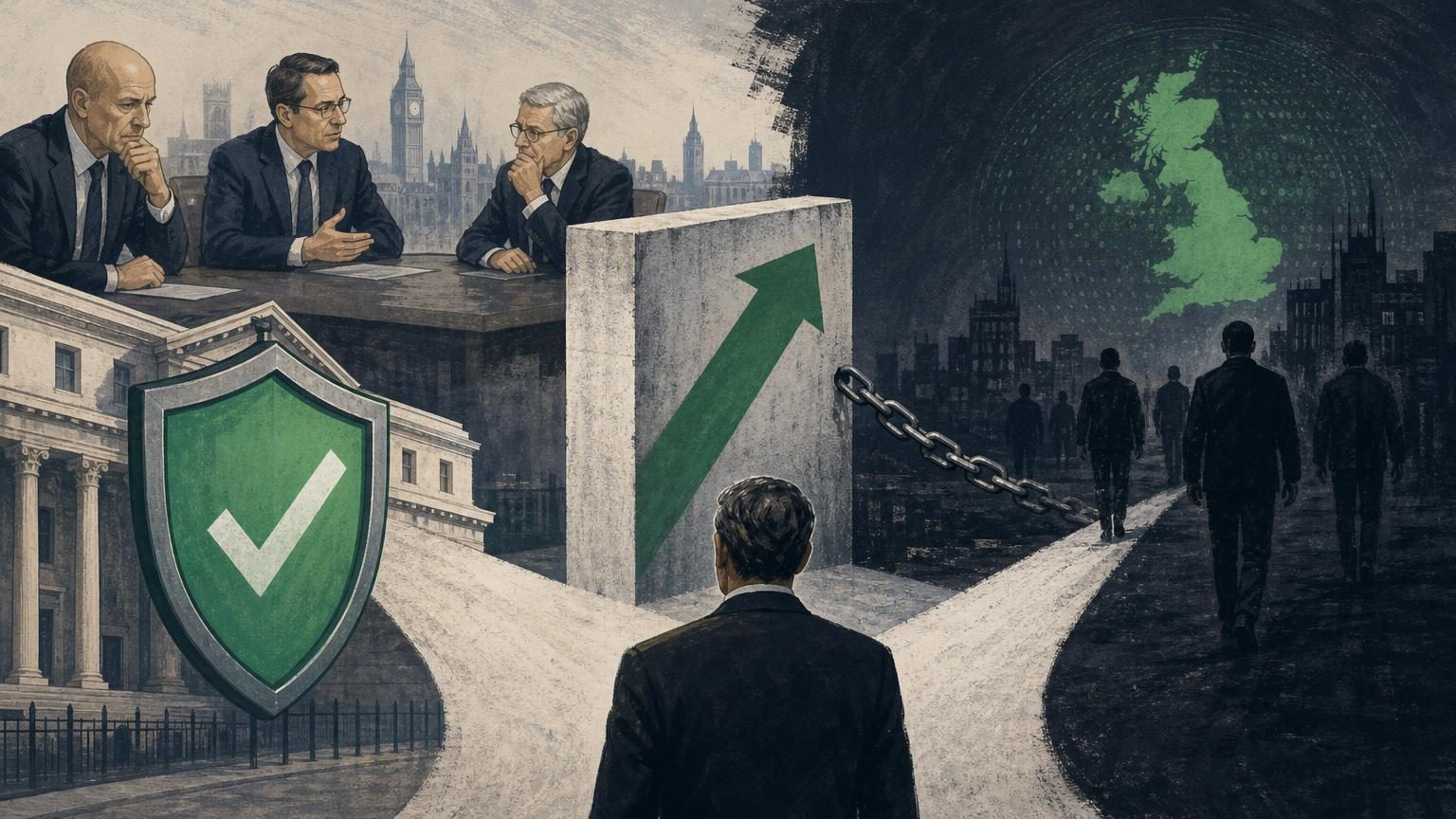
Chancellor John Healey confirmed on Wednesday that MGD will rise by five percentage points, a far gentler increase than the 40% rate that had been rumoured through the summer.
The announcement brought some relief across the sector, but it lands on top of a string of other tax and regulatory changes already reshaping retail and online gambling in Britain.
Those earlier changes include last year's budget move by then-Chancellor Rachel Reeves to nearly double remote gaming duty, from 21% to 40%, and a fresh general betting duty on remote wagering due to start next year at 25%, up from 15%.
Dan Waugh, a partner at advisory firm Regulus, told iGaming Business that operators should not treat the smaller-than-expected rise as good news. "If your income tax went up by a quarter overnight, you wouldn't see that as a positive," he said, predicting further venue closures, job losses and growing investor wariness about the UK's fiscal direction.
Bethan Lloyd, a partner at law firm Wiggin, echoed that concern. "The industry is already very squeezed. A 5% increase on an industry that has very squashed margins is not ideal," she told the outlet, flagging particular risk to horse racing's revenues given how many bettors still use betting shops rather than apps. She expects more consolidation and cost-cutting, though she suggested new technology and market entrants could ease some of that pressure over time.
The sharpest warning came from Ismail Vali, president of Gaming Compliance International, who called the duty rise part of a wider mix of pressures pushing consumers toward the unlicensed market. He pointed to figures showing the unregulated share of UK online gross gaming revenue has climbed from roughly 0.43% in 2020 to an estimated 9% by the close of 2025, broadly doubling each year from a low starting point. "We are knocking on the door of 10% illegal black market share," he said.
Vali argued that as licensed operators trim marketing spend to protect thinning margins, bettors increasingly stumble across unlicensed brands advertising better odds or bonuses without checking whether they hold a licence. "Consumers cannot differentiate between this stuff," he said, adding that offshore sites can launch with start-up costs reportedly as low as £25,000.
The 40% figure that dominated speculation ahead of the budget traced back to a report published earlier this year by the Social Market Foundation think tank rather than any formal Treasury proposal. Even so, industry voices broadly agree that stacking the new MGD rise on top of the earlier remote gaming duty hike leaves operators facing a heavy cumulative burden.
"The industry needs to work out how it breaks this cycle of tax increases and regulatory tightening, because otherwise it's heading to a pretty dark place," Waugh said.
Lloyd expects larger, diversified groups such as Flutter and Entain to cope better than smaller or purely retail-focused operators, who she said face the greatest exposure. Waugh anticipates closures and job losses but was reluctant to forecast a wave of mergers driven by tax alone.
Vali went further, predicting sharper structural upheaval: "I expect to see retail consolidate. I expect some operators to fail, and I expect more migration to online platforms." His central worry remains the unchecked growth of the illegal market, which he said can only be tackled through tighter enforcement and better coordination between regulators, platforms, payment providers and advertisers.
He added that while the UK's licensing regime is still widely respected internationally, piling on fiscal and regulatory pressure risks handing market share to illicit rivals, and called for renewed focus on monitoring, policing and optimising the overall betting market.
Waugh also noted a contrast in tone from the Chancellor, who described himself as grateful for the role banks play even while imposing an extra 3% banking surcharge, but offered no comparable warmth toward gambling. He suggested the sector should brace for the possibility of further tax measures within the next year.