Labour backbenchers urge Healey to raise tax on arcade machines
A group of Labour MPs led by Alex Ballinger has asked the chancellor to increase machine games duty on Category B slot machines ahead of the 28 October Budget, drawing a sharp rebuke from the land-based gambling sector.
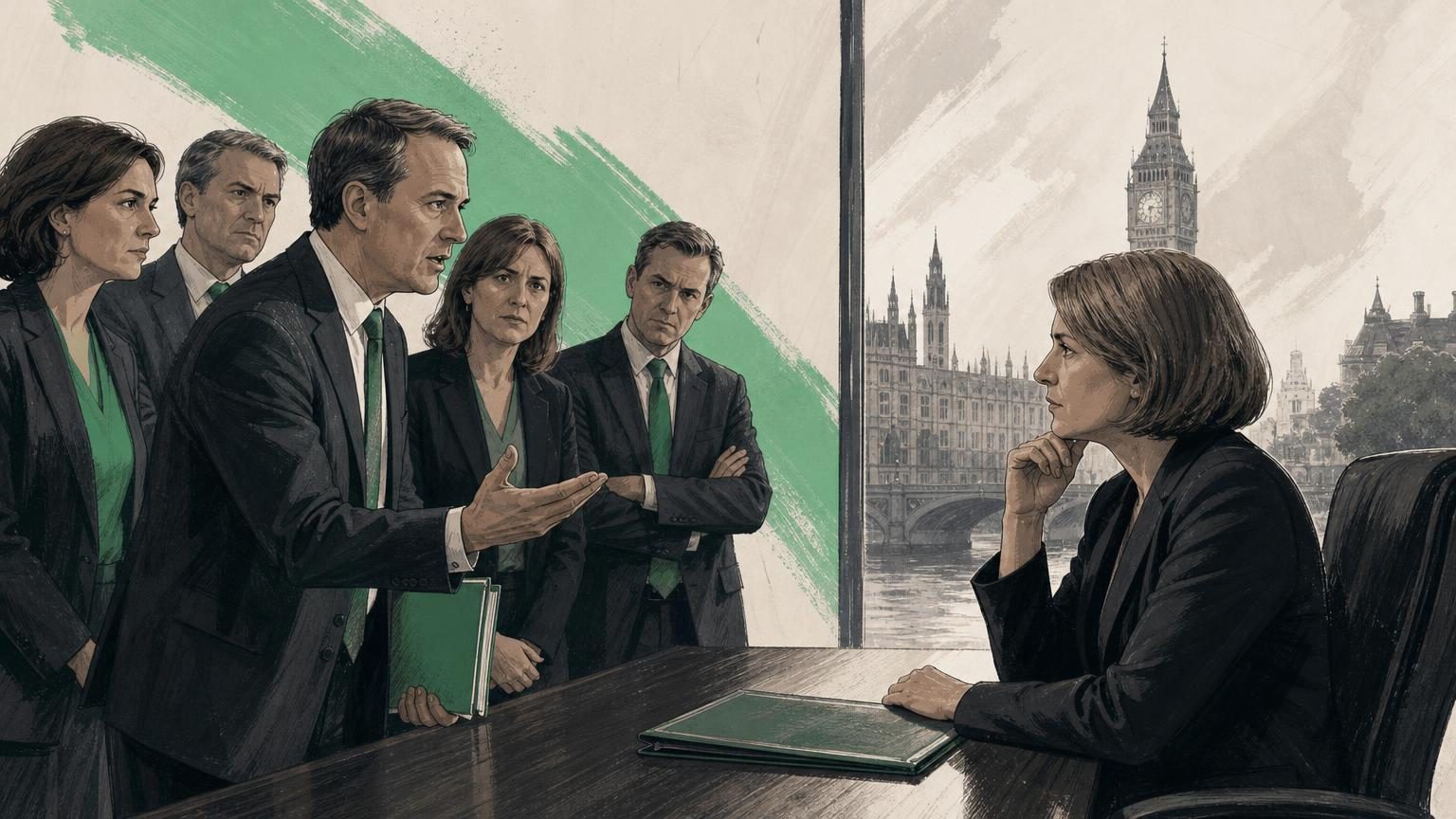
A group of Labour MPs has written to Chancellor John Healey pushing for a higher rate of machine games duty on Category B gambling machines, according to iGaming Business.
The letter, sent on Friday and led by backbencher Alex Ballinger, singles out B3 machines, the type found in Adult Gaming Centres, for a steeper tax rate.
Its timing is pointed. Healey is widely expected to unveil tax changes affecting Britain's land-based casinos when he delivers the Autumn Budget on 28 October.
The MPs frame their demand as consistent with the government's own approach to online gambling, where remote gaming duty was lifted from 21% to 40% last year, a change that took effect on 1 April.
Their argument rests on the principle that gambling products carrying greater harm should be taxed more heavily, regardless of whether they sit online or on a high street.
Pressure for the move has been building since the Social Market Foundation, a think tank, published research calling on ministers to raise duty specifically on higher-risk Category B machines.
Ballinger's letter leans on the same think tank's polling, which it says found 43% of voters back higher taxes on slot machines in betting shops.
It also argues the increase would shield pubs and the broader hospitality sector, noting that pubs cannot legally host Category B machines and would therefore be untouched by any rise.
The letter describes the proposed duty increase as a measure that would be "popular, targeted and proportionate".
The Betting and Gaming Council has pushed back hard. Chief executive Grainne Hurst called the plan "deeply misguided", citing industry-commissioned studies suggesting a rise in machine games duty to 40% could cost as many as 16,000 jobs and force the closure of nearly 1,500 betting shops and 34 casinos.
"MPs calling for higher taxes should consider the consequences for the very communities they say they want to protect," Hurst said. "Every closure means another empty shopfront, fewer jobs and another blow to Britain's high streets."
At a casino sector panel held at the Hippodrome Casino last week, industry figures made similar arguments before the letter was sent. Regulus Partners' Dan Waugh took aim at the think tanks shaping the debate, saying think tank funding is often opaque and that such bodies are not the ones visiting casinos or living with the consequences of policy decisions.
Waugh said the priority for government should be understanding the consumer's perspective rather than, in his words, listening to lobbyists pursuing their own vested interests.
Genting Casinos chief operating officer Paul Willcock focused on the effect of tax uncertainty on investment decisions, saying clarity or relaxation on duty would let investment flow into the sector.
Rank Group has been flagged as especially exposed. Deutsche Bank analysis published last month identified Rank as the operator most at risk from a machine games duty rise, owing to its large retail estate.
Rank's own trading update last week reported a 5% increase in like-for-like net gaming revenue for the first quarter of its 2026/27 financial year, even as chief executive Richard Harris warned that any duty increase would raise costs, reduce venue viability, trigger closures and job losses, cut tax receipts and stall investment.
Harris had made a similar point at the Hippodrome Casino event, stressing that confidence, not just final tax rates, drives investment decisions, and that speculation about higher taxation alone is enough to bring spending plans to a halt.