UK Treasury said to settle on 5% Machine Game Duty rise
Chancellor John Healey is reported to have scaled back a touted doubling of Machine Game Duty to a 5% rise, but retail operators and advisers say the smaller increase is no reason to celebrate.
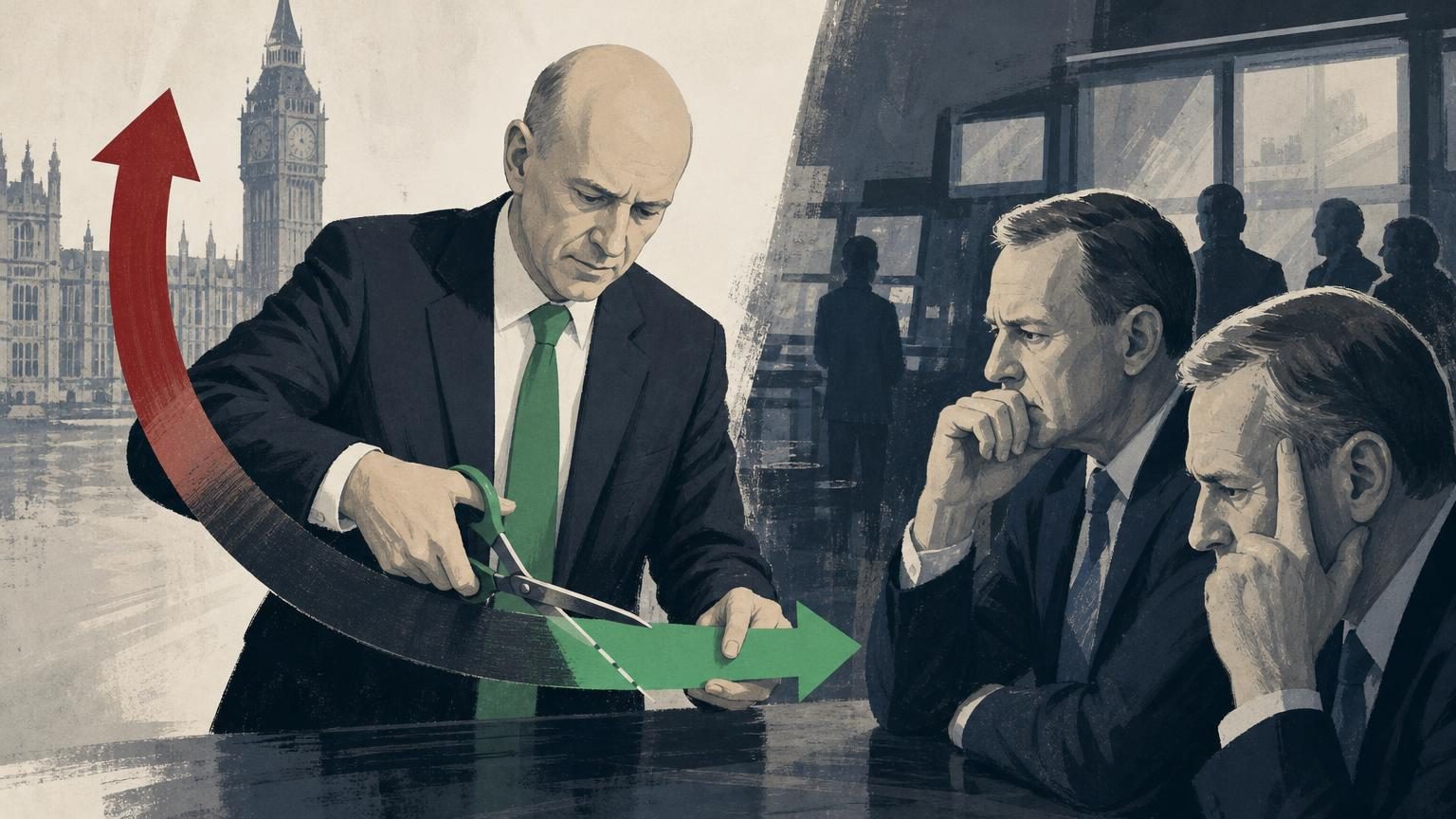
Chancellor John Healey is due to deliver the UK's autumn budget on Wednesday 28 October, and the betting retail sector has spent months bracing for a sharp increase to Machine Game Duty on Category B gaming machines.
A report published in June by the Social Market Foundation had called for MGD to be doubled from 20% to 40%, arguing the move could raise between £275 million and £458 million while addressing higher harm risks linked to the machines. The proposal drew support from allies of the prime minister, including former prime minister Gordon Brown and a number of Labour MPs.
The Betting and Gaming Council pushed back with commissioned research warning that such a steep rise could put around 16,000 jobs, 1,500 betting shops and 34 casinos at risk, and that the resulting closures could leave the Treasury roughly £124 million worse off in tax terms.
According to The Times, cited by iGaming Business, Healey has now opted for a far smaller 5% increase rather than the doubling once floated. The Times described the outcome as a boost for the racing industry, and much of the sector has greeted it with relief.
Not everyone is convinced it amounts to a victory. Greg Knight, chief executive of retail operator JenningsBet, compared the reaction to travellers cheering a shortened airport delay. "I certainly don't think it's a win. It could be an awful lot worse, couldn't it, but I'm not celebrating because at the end of the day it's still going to be a big drain on the industry," he told iGaming Business.
Simon Zinger, managing partner at Calibri Law and Bluestar Partners and a former general counsel at Entain, took a similar view. "The 5% is a win relatively speaking, if you think about what was possible, but I don't think it's a win given that any level of additional tax would be counterproductive," he said.
Financial consultant Andrew Bowden modelled the likely impact in a LinkedIn post cited by iGaming Business. Assuming no shop closures, he calculated the Treasury would collect around £120 million from the 5% rise, well below the SMF's original projections. He also estimated that every betting shop forced to close would cost the government roughly £155,000 in lost combined tax, meaning around 280 closures would be enough to erase any net fiscal gain.
Knight said JenningsBet would likely need to shut a handful of its own shops if the rise goes ahead. The BBC has separately reported warnings from bingo halls and amusement arcades, with Buzz Bingo telling the broadcaster that a large share of its clubs — around 40%, by its own estimate — would be tipped into unprofitability under a 5% duty increase.
Zinger also warned of a longer-term regulatory consequence. He expects an enforcement spike within 12 to 24 months as some operators scale back compliance and responsible gambling spending to protect margins, compounded by the departure of experienced staff from firms making cuts.
Online-only operators without retail estates, such as Midnite and Mr Q, could be relative winners from any retail-focused tax rise, since it leaves their cost base untouched while squeezing larger rivals. Zinger said a steeper increase could have created fresh opportunities for smaller, newer entrants, who can build compliance and customer-care practices from scratch without the public market pressures weighing on bigger incumbents, though he stressed they would still need to take that responsibility seriously.
Some observers have linked Flutter's recent restructuring of its UK&I operations to a similar logic, suggesting the move was partly aimed at making the group nimbler against this newer wave of challenger brands.
Questions remain over the evidence base behind the policy debate. iGaming Business noted that a draft version of the SMF's June report was mistakenly published with internal staff comments still attached, raising further scrutiny of how the case for a duty rise was constructed.