UK Budget gambling tax rise exposes deep political split
Chancellor John Healey's increase to Machine Games Duty has drawn sharply opposing reactions from Labour, Green and Reform UK politicians, SBC News reports.
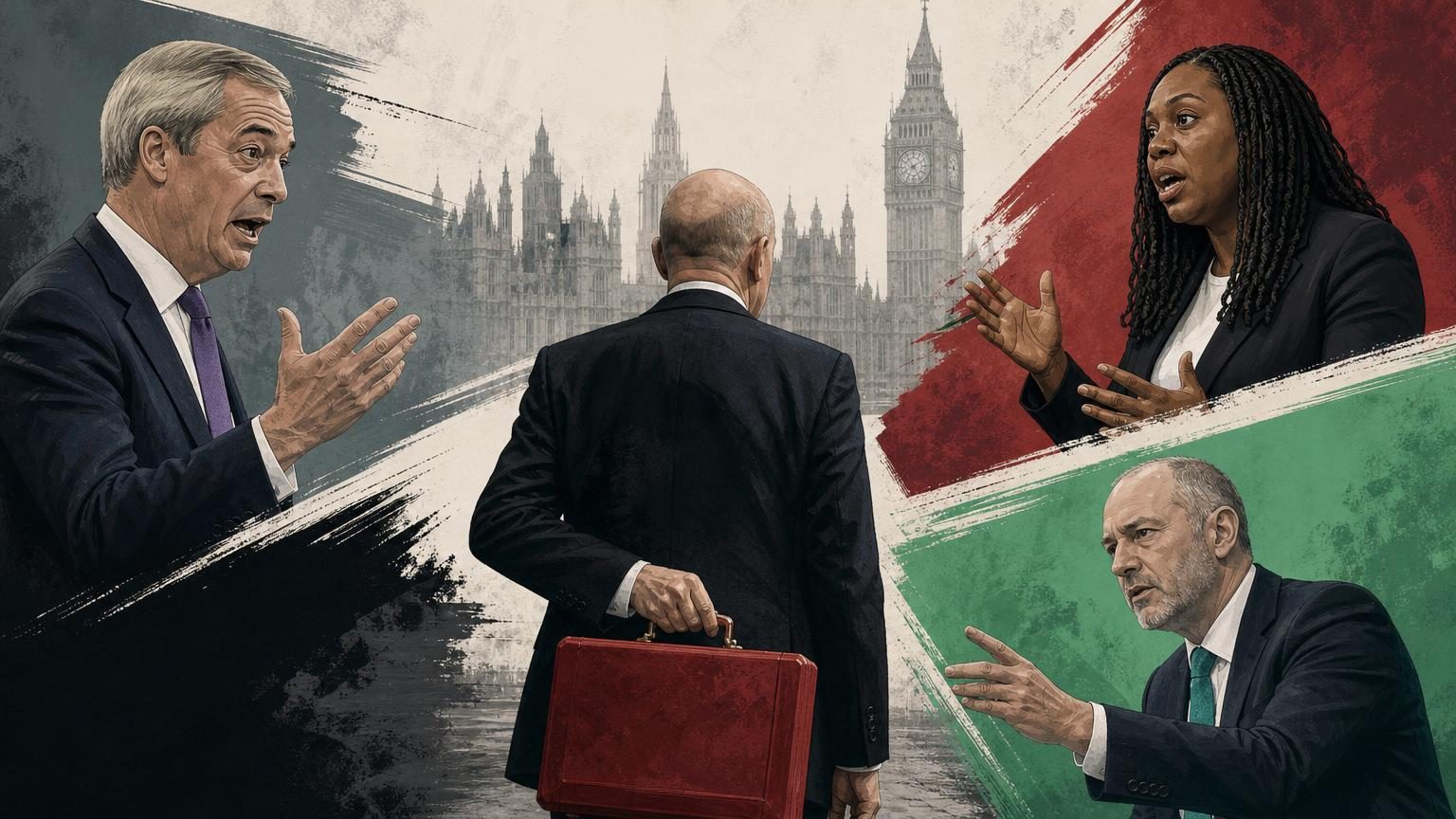
Chancellor of the Exchequer John Healey used his first Budget to raise Machine Games Duty on Category B gaming machines from 20% to 25%, a move that has triggered starkly divided responses across the political spectrum, according to SBC News.
Healey, who serves in the cabinet of Labour Prime Minister Andy Burnham, also removed adult gaming centres from business rates relief as part of the package.
Labour MP for Halesowen Alex Ballinger, a prominent advocate of gambling reform, backed the increase, arguing that the Chancellor was right to target what he called "high-harm machines". Ballinger said gambling "can devastate lives, tear families apart and leave communities bearing the cost", and called for "stronger protections" to follow.
Dawn Butler, the Labour MP for Brent and a long-standing campaigner on gambling policy, also welcomed the rise but said it did not go far enough. She told SBC News that campaigners had pushed for a 40% rate, adding: "It's a step in the right direction and that money will be used to help other businesses. Basically, we're taxing harm to help good business."
Green Party leader Zack Polanski took a more critical view of the overall Budget, describing it as "soft" and accusing the government of "tinkering around the edges" on gambling, banks, energy bills and rent controls. He pointed to a rise in gambling company share prices as evidence the measures lacked bite, saying the shares "rose before the Chancellor even sat down".
Opposition to the tax rise came from a different direction. Industry figures, operators and the Betting and Gaming Council joined political voices including Shadow Minister for Culture, Media and Sport Louie French and Reform UK leader Nigel Farage in objecting to the hike.
French warned in the Racing Post that the increase, which he said was "cheered on by the Liberal Democrats", risked damaging British racing, jobs and sports sponsorship. He argued that the Treasury had been warned higher duties would "fuel the illegal black market", calling the outcome "a lose-lose for consumers, government and sport" and accusing Labour of having "given up on British racing and rural communities".
Farage, in Reform UK's Budget Response, said betting shops faced serious difficulty and suggested Burnham was hostile towards them. He linked the tax directly to the horse racing industry, describing it as "a very, very big part of rural life", and warned the policy could prove "self-defeating" by emptying high street units, hurting racing and pushing bettors toward unlicensed operators.
The split leaves the gambling sector navigating a politically fragmented landscape, with reform-minded Labour backbenchers pressing for tougher action even as Reform UK and Conservative frontbenchers champion the industry's warnings about the black market and rural economic impact.