Ohio Casino Regulator Tells Licensees To Sever Prediction Market Ties
The Ohio Casino Control Commission has told sports betting and fantasy licensees that supporting unlicensed sports event contract platforms could put their own licences at risk.
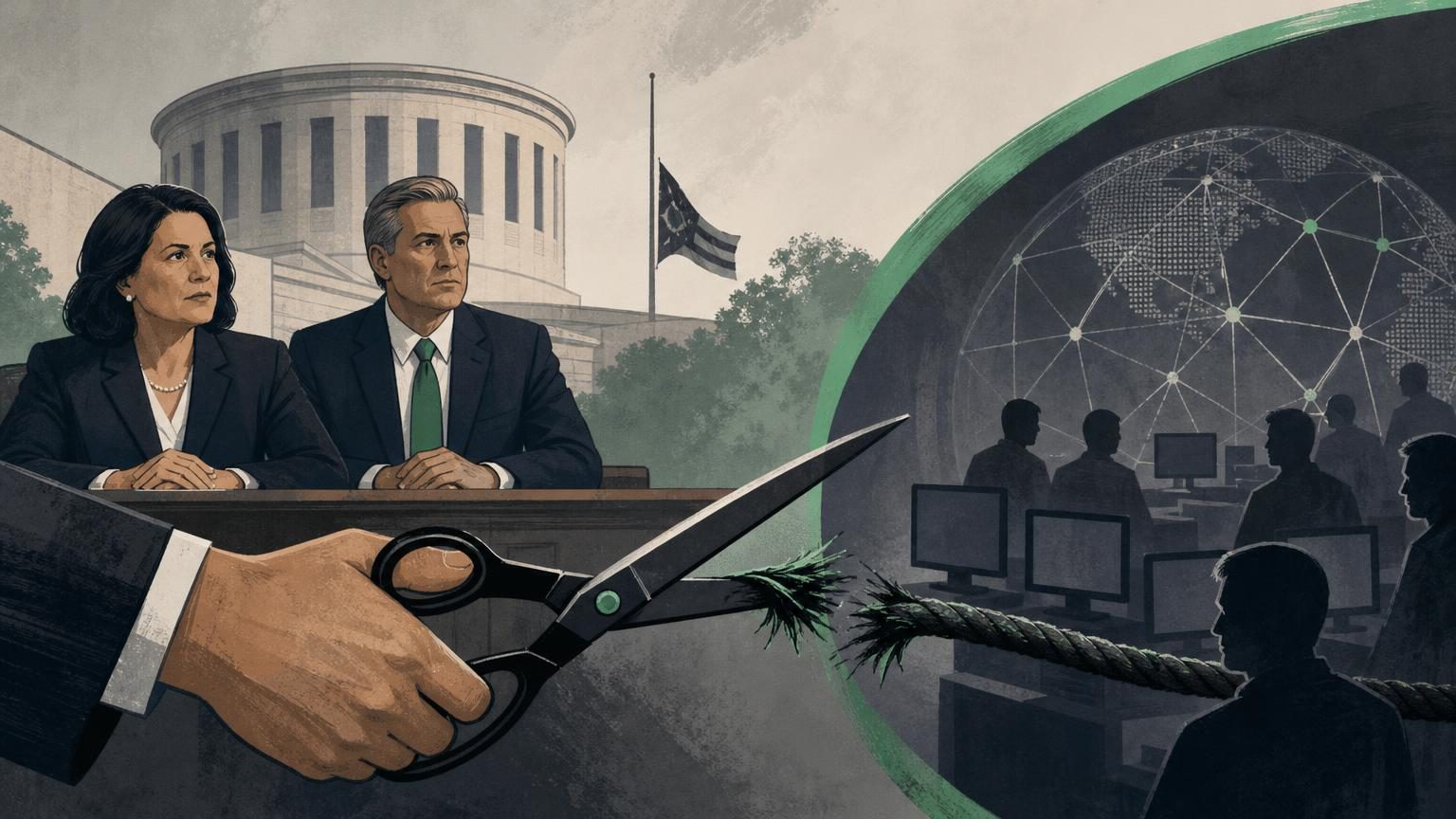
Ohio's gambling regulator has turned its prediction markets campaign on its own licence holders, warning that any firm still helping sports event contract operators do business in the state risks losing its licence.
The Ohio Casino Control Commission sent a letter to licensees and applicants stating it is "deeply concerned" that some are continuing to "facilitate, support, or otherwise provide services" to prediction market platforms offering sports event contracts without authorisation in the state. Interim Executive Director Andromeda Morrison confirmed the letter at the commission's Wednesday meeting, according to Legal Sports Report.
Licensees have been ordered to stop immediately, and must notify the OCCC by October 30 that they have done so.
The move follows a Sixth Circuit ruling that confirmed Ohio can apply its own gambling statutes to prediction markets, despite those platforms being overseen federally by the Commodity Futures Trading Commission. Off the back of that decision, the OCCC issued cease-and-desist notices to ten exchanges and brokers earlier this month, setting a deadline last Friday for them to withdraw sports event contracts from Ohio.
Plus500US is so far the only operator the commission has confirmed is compliant. Kalshi and Polymarket were, as of Monday, pursuing litigation against the OCCC rather than complying, while the remaining operators are still in talks with the regulator.
Who counts as a licensee
The commission's definition is broad. It covers fantasy contest operators, sports gaming proprietors, management services providers and their mobile equivalents, suppliers, key employees at any of those firms, certified independent integrity monitors, certified independent testing laboratories, and anyone applying for those licences or certifications.
The OCCC said it is aware that some of these licensees are supplying prediction markets with services such as liquidity provision, market making, integrity monitoring, and technology or data security support — activity it says raises suitability concerns under Ohio's licensing framework.
"As you are aware, maintaining suitability is a continuing obligation of licensure," the commission wrote. It added that a licensee's choice to support "an entity engaged in unlicensed sports gaming in Ohio reflects on the licensee's character, integrity, honesty, and reputation."
Non-compliant licensees face reopened suitability reviews and the possible suspension or revocation of their licences, the OCCC said.
An exception applies to licensees that also operate as futures commission merchants or introducing brokers — firms that handle customer orders for CFTC-regulated exchanges. Those businesses stay within the rules provided they block Ohio customers from accessing sports event contracts, directly or through an intermediary.
Where enforcement stands
Legal Sports Report reported that most of the ten operators had not withdrawn their sports event contracts from Ohio by last Friday's deadline. The OCCC told the outlet on Tuesday that it "has had a dialogue with a number of these companies and are working with them in coming into compliance," describing many of those conversations as conducted in good faith.
At Wednesday's meeting, Morrison said the commission has had "productive conversations with several of these companies," adding that "those issues remain under investigation" and that she expects to report further progress soon.
"I think we are all united in our belief that the commission cannot sit utterly by while watching Ohio law be violated," Morrison said. "We are continuing to monitor and develop that situation."
Chairman Thomas Stickrath responded with a dig at the pace of litigation the enforcement drive has triggered: "I know the commissioners appreciate you getting us sued each week, Director."