Oddin.gg chief argues live dealers belong to operators, not studios
In an EGR column, Oddin.gg CEO Vlastimil Venclík says AI-generated digital dealers let casino brands own what has long been a shared, supplier-controlled part of live casino.
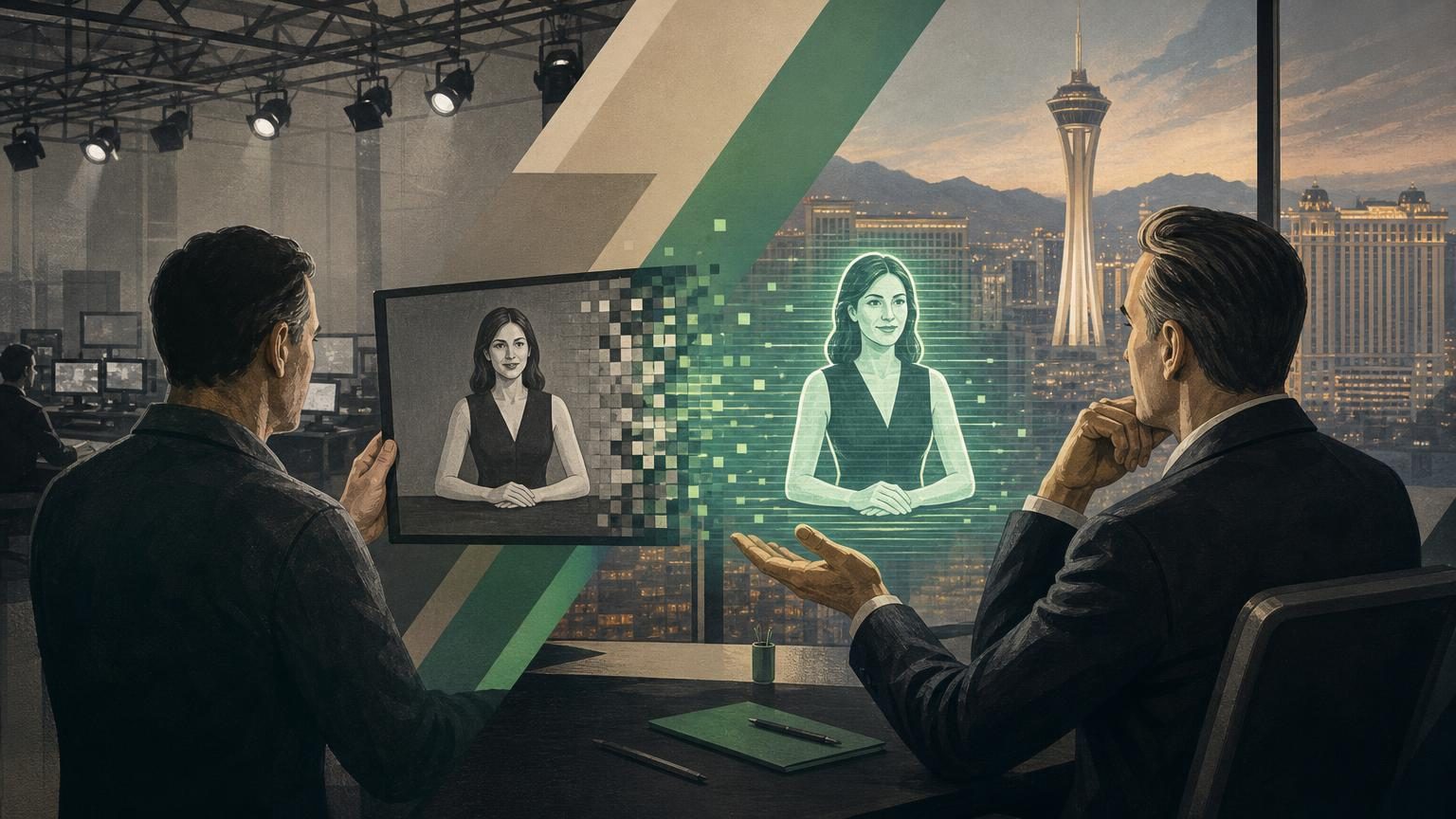
Live dealer tables look branded but rarely are, according to Oddin.gg CEO Vlastimil Venclík, who argues in a column for EGR that the dealer herself remains the one element of a live casino product that operators never actually control.
Venclík writes that a live blackjack dealer is typically hired, dressed and lit by a supplier's studio and dealt to every brand licensing that feed, meaning rival operators often show players an identical experience behind a different logo. He describes this as baked into the economics of live dealer gaming: filming a real person in a real studio is costly, and sharing that studio across multiple clients is what makes the model scalable.
That arrangement, he argues, leaves casino brands unable to differentiate on the single most-watched part of their product, even as everything else around it — limits, welcome offers, loyalty points — is customised.
Venclík points to AI-generated "digital dealers" as the technology now closing that gap. These are real-time generated personas rather than recordings, while the shuffle, cards and result continue to come from certified game systems. What changes, he says, is the software layer determining who appears to deal, how they sound, what language they use and what they say between hands.
He notes that standing up a new live table traditionally takes three to four weeks under the studio model, often too slow to capture a demand spike before it passes. A digital dealer, in his telling, lets an operator give a premium table more polish and a late-night table more edge, or surface state-specific promotions to players in New Jersey versus Michigan, without building a second studio for a different language.
The column sets conditions on how far this should go. Venclík insists players must always be told a dealer is digital, that the game remains certified, that the dealer has no influence over outcomes, and that operators can hear every word their digital dealer says. A supplier unable to guarantee that, he writes, should not be trusted with the table. He also stresses that human dealers are not disappearing, since many players and operators will continue to prefer a person across the felt.
Venclík frames the shift as moving live dealer from a bought content category, priced and differentiated only by limits and branding, toward something closer to a brand asset — a persona with a look, voice, language and script that travels with the operator, from a New Jersey app to baccarat tablets on a Las Vegas casino floor.
He adds that the resulting questions — who the dealer is, whether it carries a mascot or house character, what it is permitted to say in each jurisdiction, and how quickly a table can be refreshed for a promotion or sponsorship — now sit with the operator rather than the studio.
"My bet is the live casino brands that players remember a few years from now will be the ones that took those questions seriously early – and chose carefully who sits behind the table," Venclík writes.
Several companies are developing digital dealer technology, per the column, including Oddin.gg itself. Oddin.gg, part of Realms Group, built its name in esports odds, trading and risk management for sportsbooks before launching Oddin Casino in August 2026, its first product outside esports and one built around a digital dealer offering.