Nova Scotia Studies Ontario and Alberta Models for iGaming Reform
Finance minister John Lohr says Halifax is watching open iGaming markets closely as opposition raises harm concerns and new data points to heavy offshore tax leakage across Atlantic Canada.
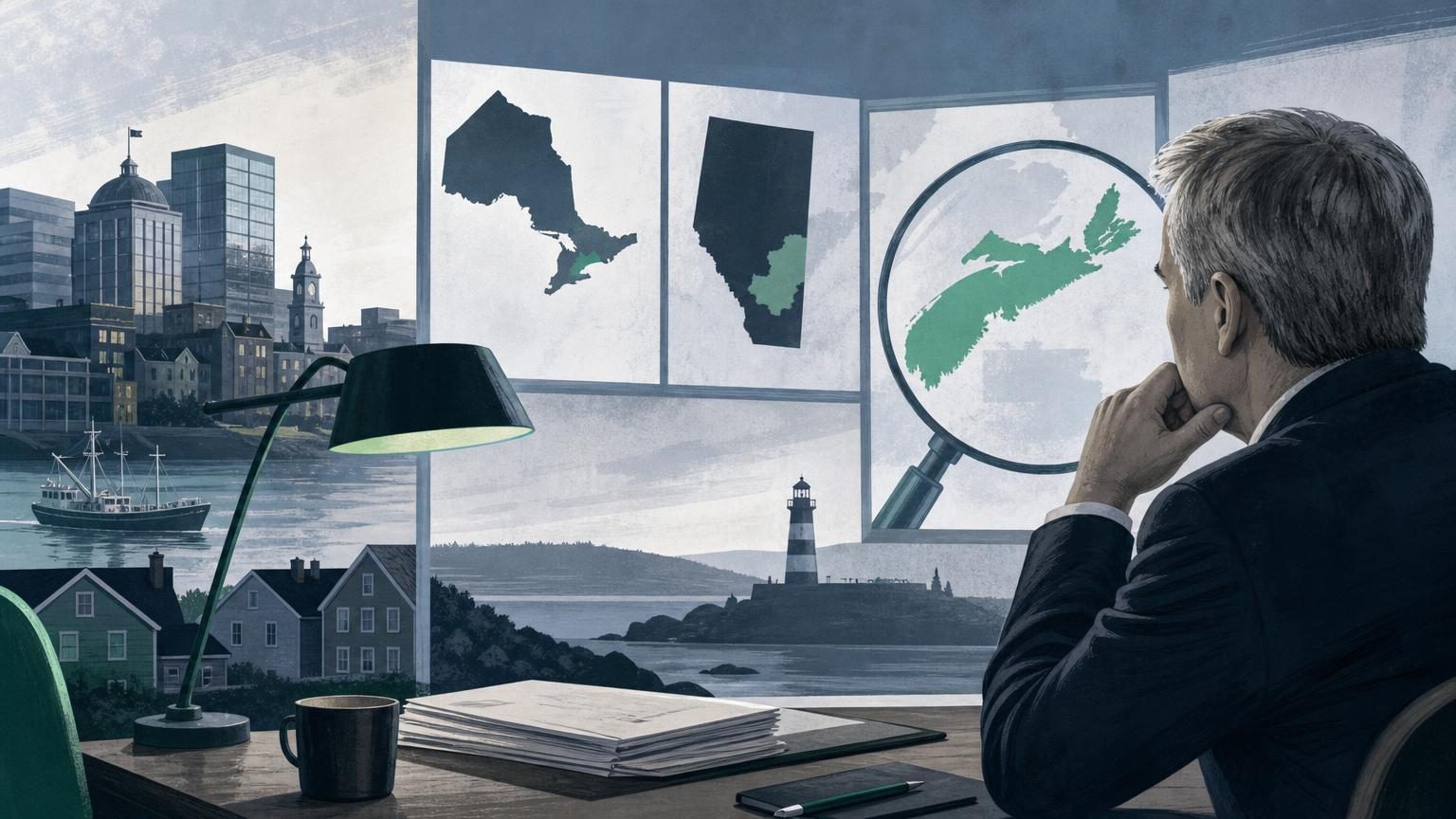
Nova Scotia's government is examining whether to open its online gambling market to competition, with Finance Minister John Lohr telling reporters the province is following developments in Ontario and Alberta "very carefully," according to a report by Global News.
"Obviously, those are conversations that are underway right now," Lohr said, as cited by Global News, while opposition lawmakers have pressed the government over the potential for increased gambling-related harm if the market is liberalised.
Nova Scotia currently permits only one regulated online gambling platform, run by the Atlantic Lottery Corporation, though residents can and do access unlicensed offshore gaming sites without restriction.
Lohr conceded the province does not yet have a full picture of the social impact of online wagering. "There are significant harms for people who become addicted to it," he said, according to Global News.
Separate market research from TRM Public Affairs puts the scale of the issue in financial terms. The firm estimates the addressable iGaming market across Atlantic Canada at C$921 million (US$660 million), with only 25% of that activity flowing through regulated channels and the remaining 75% going to offshore operators.
TRM calculates that C$691 million (US$495 million) in gross gaming revenue is lost to unregulated platforms in the region each year. At a standard 20% provincial tax rate, that would equate to roughly C$168 million (US$120 million) in government revenue the Atlantic provinces are currently forgoing.
The debate in Nova Scotia follows similar moves elsewhere in Canada. New Brunswick has introduced Bill 8 to create a regulatory framework for live-dealer online casino games, and officials there are weighing whether to adopt an Ontario-style commercial model.
Ontario remains the reference point for an open iGaming market in North America. Since its commercial framework launched in April 2022, the province has grown to 49 licensed operators running 84 gaming websites, generating C$3.6 billion (US$2.6 billion) in iGaming revenue so far in 2026, taxed at an effective rate of 20% and excluding revenue from the state-run Proline platform.
Alberta opened its own competitive online gaming market on 13 July. The Alberta iGaming Corporation reported that commercial platforms produced $122 million (US$87 million) in gross gaming revenue through 30 September across 51 active websites.
Quebec is also moving in this direction. Following provincial elections in early October, both the minority Parti Québécois government and the opposition Liberals pledged to end Loto-Québec's long-running iGaming monopoly in favour of a licensed private-operator framework modelled on Ontario and Alberta.