North Fork Mono Casino Opens in California Despite Pending Lawsuit
The $750m Station Casinos-managed property near Madera began operating a day ahead of schedule while a rival tribe's federal challenge to its gaming approval remains unresolved.
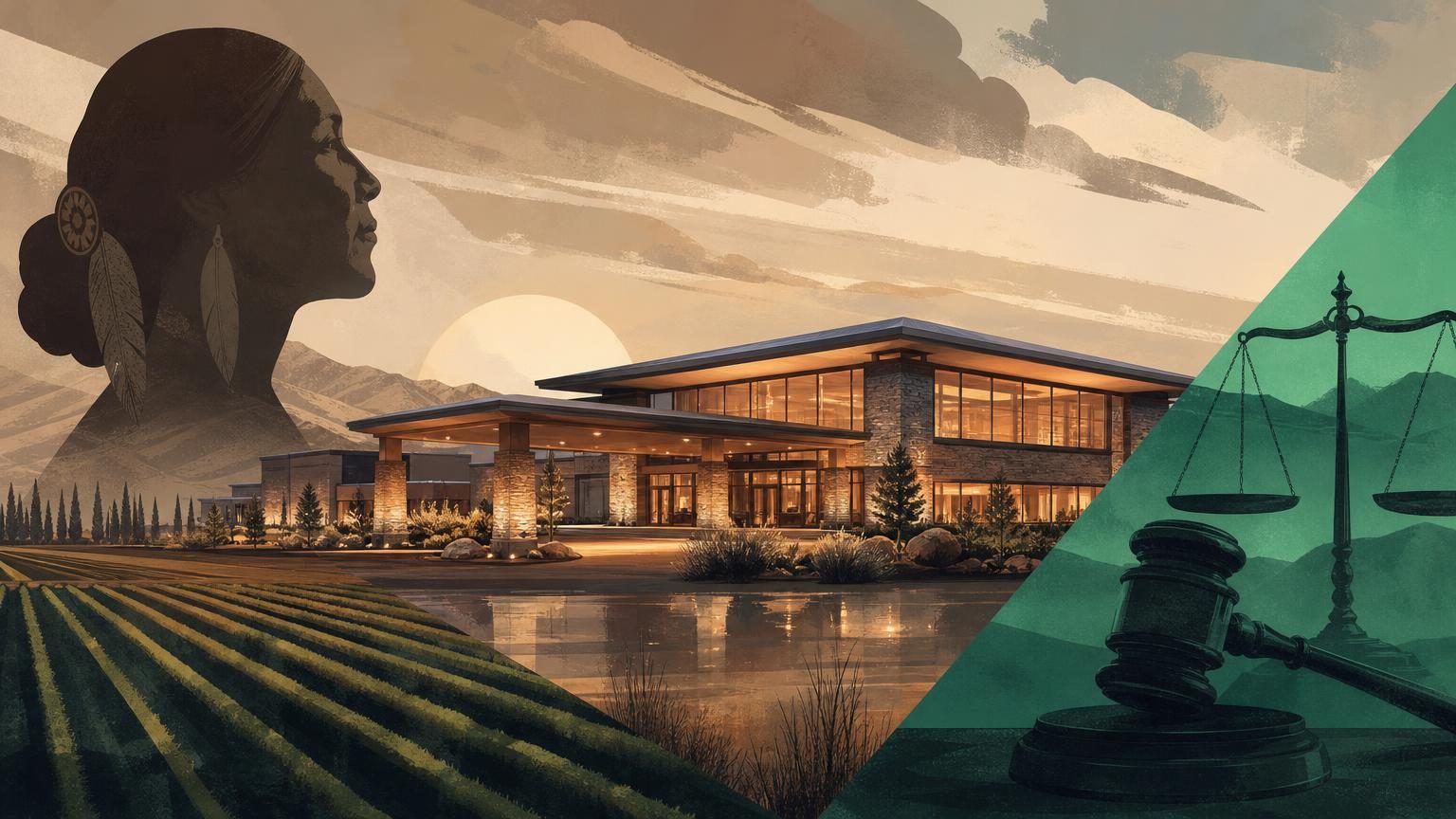
California's North Fork Mono Casino has begun operating near Madera even though a federal lawsuit filed by a competing tribe is still working its way through the courts, according to Casino.org News.
The $750 million property, situated off Highway 99 in the Central Valley, opened its doors to the public at 3pm on Tuesday 27 October, a day earlier than originally planned. The casino is owned by the North Fork Rancheria of Mono Indians, with day-to-day management handled by Las Vegas-based Station Casinos, part of Red Rock Resorts.
Hundreds of people turned out for a ribbon-cutting ceremony, with tribal members among the first through the doors. Tribal leader Elaine Bethel Fink used the occasion to thank supporters for their patience through what Casino.org News described as a lengthy campaign to get the casino built.
The opening proceeds despite ongoing litigation brought by the Picayune Rancheria of Chukchansi Indians, which operates the nearby Chukchansi Gold Resort & Casino. Picayune filed suit in June, challenging a 2024 decision by the National Indian Gaming Commission to approve North Fork's management agreement with Station. The tribe argues the casino lacks the state concurrence required for off-reservation gambling, which it says makes the NIGC's approval unlawful.
The dispute traces back to a 2014 statewide referendum in which California voters rejected legislation that would have ratified a tribal-state gaming compact covering the North Fork site. A state appellate court ruled in December 2025 that the referendum also wiped out former Governor Jerry Brown's concurrence with a federal determination that had permitted off-reservation gaming on the land. The California Supreme Court declined to take up the case in April.
North Fork rejects the idea that the state court ruling affects its ability to operate, insisting its federal approvals still stand. The tribe points to gaming procedures issued by the US Department of the Interior in 2016, after compact talks with the state broke down, and contends Picayune is trying to reopen federal questions that have already been settled.
US District Judge Kirk E. Sherriff heard arguments on 9 October covering Picayune's request for a preliminary injunction alongside motions from the defendants to dismiss the case outright. As of Thursday, no ruling had been issued to halt the casino's operations.
Picayune has told the court that competition from the new venue threatens to significantly cut into the revenue it relies on to fund tribal services. North Fork counters that the project is essential to supporting jobs, housing and other programmes for its own members.
Construction on the resort began in 2024 after years of regulatory setbacks. The finished property spans 264,000 square feet and houses more than 2,400 slot machines alongside 40 table games, a high-limit room, several dining options and bars, and has generated over 1,500 local jobs. North Fork has outlined further phases of development, including a hotel tower, an entertainment venue, a conference centre and additional structured parking.