Lords committee proposes sweeping curbs on gambling advertising
A House of Lords committee has called for a near-total ban on gambling marketing in Great Britain and for oversight to shift from the Advertising Standards Authority to the Gambling Commission.
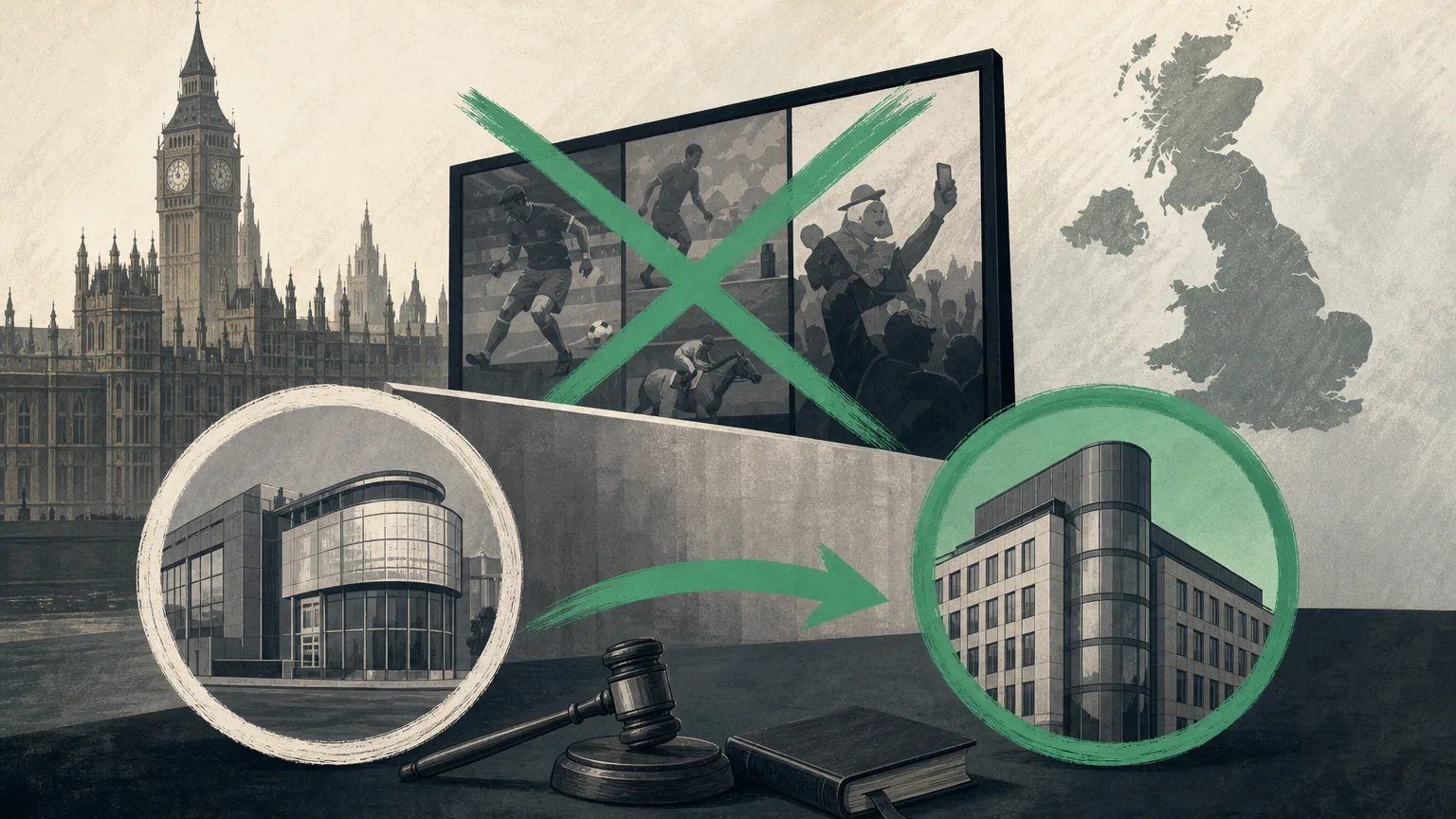
A cross-party committee in the House of Lords has called for a comprehensive ban on gambling advertising across Great Britain, arguing that cutting the industry's marketing reach is the single most effective way to reduce gambling-related harm.
The Liaison Committee's report, published on 17 September, follows up on a 2020 inquiry into the social and economic effects of gambling and focuses specifically on advertising, marketing and sponsorship, according to iGaming Business.
The committee said current evidence justified "meaningful steps" against the sector, including a wide-ranging advertising ban, to cut exposure among children and vulnerable groups and to curb problem gambling.
It pointed to the Gambling Commission's Gambling Survey for Great Britain, which has found that between one and 1.5 million adults score highly enough on the Problem Gambling Severity Index to indicate problem gambling, though industry commentators have questioned the survey's methodology.
The report traces the industry's advertising freedoms to the Gambling Act 2005, before which television and radio gambling adverts were largely limited to bingo, football pools and the National Lottery. Annual advertising spending by licensed operators is now estimated at between £1 billion and £2 billion, the committee said.
Committee chair Lord Ponsonby of Shulbrede said growth in online marketing techniques since 2020 had shifted the debate substantially, adding that "the time was right to reassess this crucial policy area, focusing on the topic of gambling advertising where the former committee's strong recommendations have been largely unaddressed".
The committee criticised the current patchwork of self-regulation, including Advertising Standards Authority codes and co-regulation of broadcast advertising, as inadequate, and recommended placing advertising oversight on a statutory footing under the Gambling Commission with stronger enforcement powers.
Gambling adverts are currently policed by the ASA under its CAP 16.1 code. iGaming Business notes that Midnite recently received its third ASA ruling, after being told to remove a TikTok advertisement featuring a young-looking character.
On direct marketing, the committee cited an Australian study referenced by Dr Philip Newall of the University of Bristol, who said causality was established by having a random group of participants opt out of direct marketing offers, after which "this group then self-reported significantly lower expenditure and harms" over the following two weeks. The committee recommended banning direct marketing except for essential account or safety communications.
It also called for a ban on inducements such as free bets and sign-up bonuses, arguing these promotions drive betting activity and recruit new or lapsed customers, and said content marketing and influencer promotions should be treated as advertising and prioritised for prohibition if a full ban could not be introduced immediately.
On sponsorship, the committee said voluntary industry efforts had failed to meaningfully cut exposure. Dr Matt Gaskell MBE told the inquiry that overall exposure through shirts, hoardings, logos and related marketing during live sport had not shown that self-regulation had worked.
The Premier League has banned front-of-shirt gambling sponsorship from this season, but branding remains on training kits, shirt sleeves and stadium advertising, and the committee's 2020 report had already recommended removing gambling branding from team shirts.