Channel 4 gambling addiction documentary draws BGC pushback
Million Pound Shot, a faux game show fronted by Bradley Walsh, dramatised gambling addiction and prompted a defensive response from the UK industry's trade body.
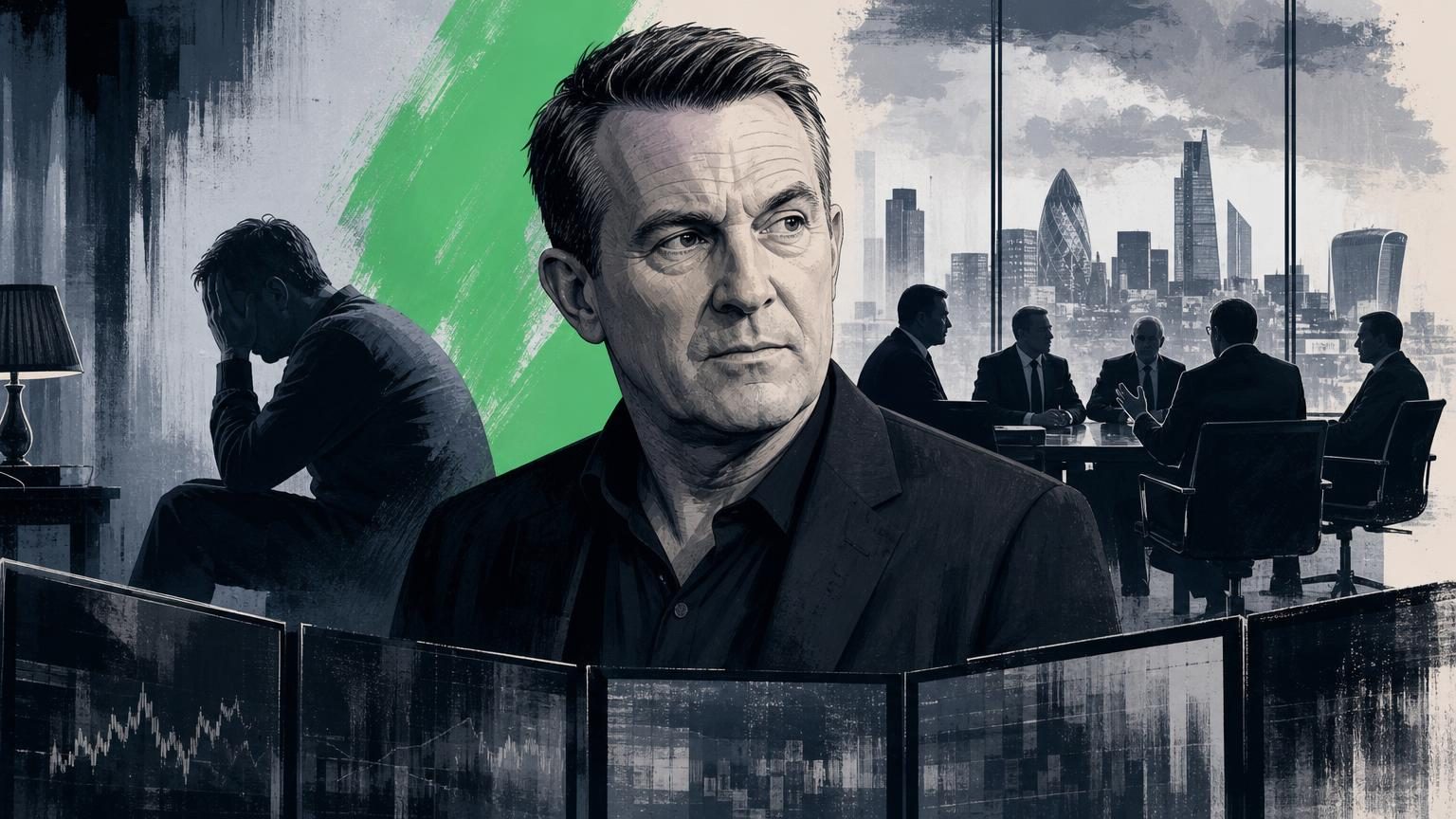
Channel 4 broadcast Million Pound Shot on 1 November, a programme styled as a conventional television quiz but built, it emerged during the broadcast, to expose how gambling addiction develops and escalates, SBC News reported.
Presenter Bradley Walsh fronted a format in which contestants appeared to stake their own money for a chance at a £1m prize, winning what the show called "bet balls" by answering trivia questions on subjects including history and sport.
The premise had already drawn scepticism before transmission, since UK broadcasting rules do not permit contestants to gamble their own money live on air, fuelling speculation that the show was staged. That suspicion was confirmed during the broadcast itself.
The central figure, a history teacher called "Reece", was shown saying he hoped to be "a very rich man by the end of it" and, after an early win, told Walsh "this is good fun, I'll be back here next week!", prompting Walsh to reply "good for you!".
As the programme progressed, Reece staked increasing sums, egged on at points by Walsh and the studio audience, while his girlfriend watched from the crowd. At one stage he said: "If I lose, I am in deep, deep … I'm not allowed to swear!"
In its final segment the format introduced "bonus balls" to keep Reece playing, a device SBC News described as a clear echo of industry bonusing tools such as free spins or free bets. The show then revealed that Reece was a scripted character played by an actor, based on a real person named Patrick, who had experienced gambling addiction for more than 13 years and accumulated debts running into hundreds of thousands of pounds.
The Betting and Gaming Council, the trade body representing the British betting and gambling sector, said the programme ignored the safeguards operators are required to apply when a customer shows signs of harm.
A BGC spokesperson said contestants spoke openly about financial difficulty, including one recently made redundant and another who said they had very little money, adding: "These are precisely the kinds of warning signs that would require a licensed operator to consider an appropriate customer interaction. Yet the programme made no meaningful attempt to explain these regulatory obligations."
The trade body pointed to protections now available to customers, including deposit limits, reality checks, time-outs, self-exclusion through schemes such as Gamstop, account monitoring and referral to treatment services. Some of these measures were not in place when Patrick's own gambling addiction began.
The BGC spokesperson said the organisation was continuing to review the programme, fact-check its claims and examine further areas of concern, and added: "We welcome scrutiny and recognise that there should be conversations about safer gambling. But that scrutiny must be fair, accurate and evidence-based. The public deserves a balanced and informed debate about gambling, grounded in facts rather than misleading generalisations."