IBIA warns Brazil betting ban will damage sports integrity
The International Betting Integrity Association says Lula's shutdown of regulated betting will push wagering offshore and strip sport of monitoring and sponsorship income.
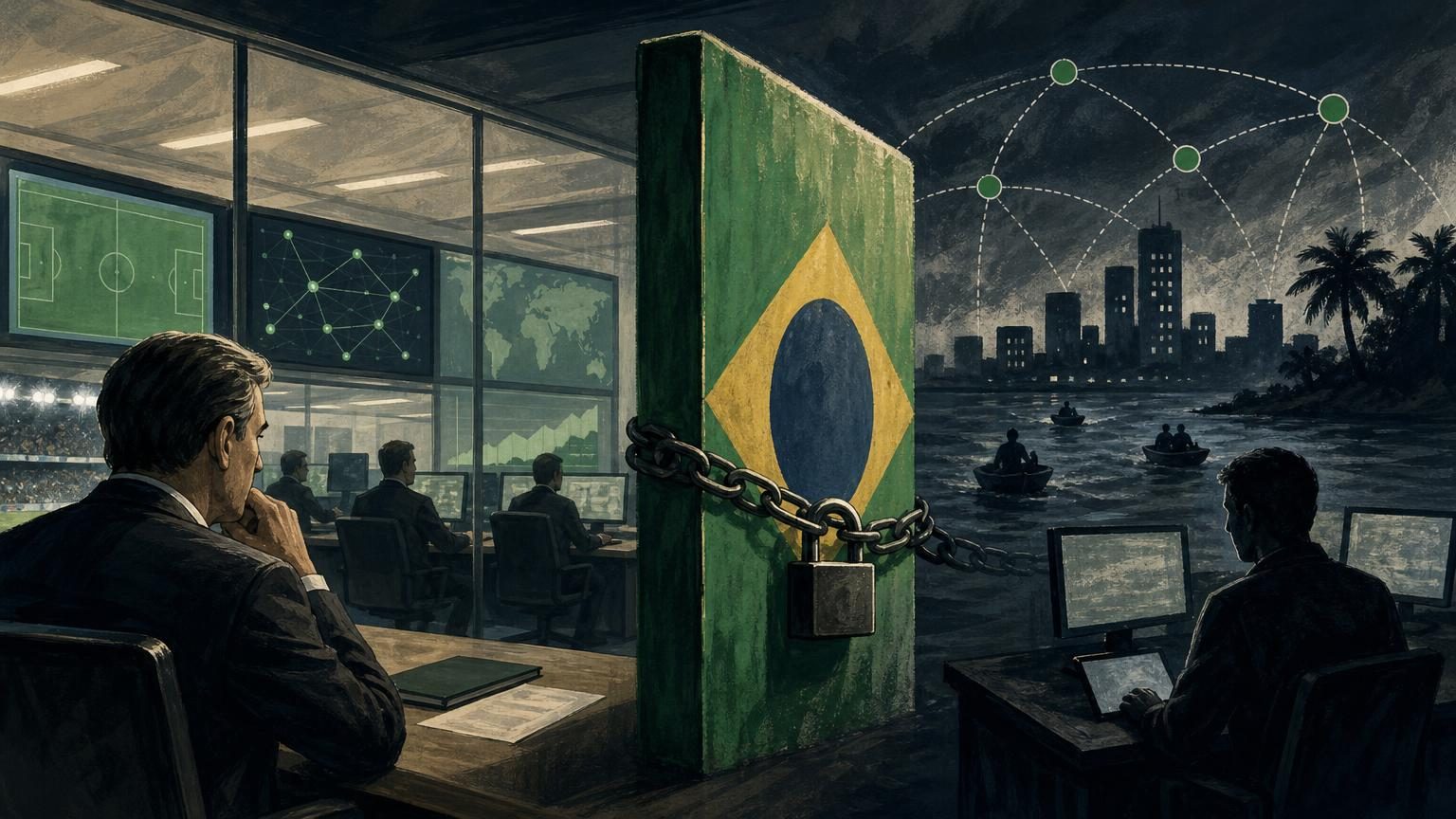
The International Betting Integrity Association has published a report arguing that Brazil's rapid move to ban online betting will undermine integrity monitoring across the country's sport, SBC News reports.
President Lula da Silva announced the ban on 25 September, a reversal of the regulated market he had approved only in December 2024. The IBIA, whose membership is made up largely of betting operators, says the consequences will fall heavily on Brazilian clubs and leagues.
Central to its argument is the expectation that bettors will simply migrate to unlicensed operators rather than stop wagering altogether. The association projects that around 60% of Brazilian betting spend, roughly R$25bn (£3.7m), will shift offshore.
SBC Noticias Brasil has reported that the number of illegal iGaming operators active in the market rose from 331 to 575 within the first 24 hours of Lula's announcement.
Once betting activity moves outside the regulated system, the IBIA says it will lose the ability to monitor Brazilian sport for suspicious wagering patterns. In 2025, the first year of the regulated market, the association flagged 25 suspicious alerts, including 19 in football and five in basketball.
The IBIA argues law enforcement and regulators stand to lose just as much, since offshore operators do not provide the market data and customer account trails that Brazilian authorities have used to investigate illicit betting and match-fixing.
Emanuel Macedo de Medeiros, Chief Executive Officer of the Sport Integrity Global Alliance, raised similar concerns at the SBC Summit in Lisbon last month. He said "dismantling the regulated market is not the answer", adding that "no industry deserves to set its own rules, but the state must act responsibly with evidence and proportionality, and a credible transition" and that "this is not what we have witnessed".
Sponsorship income is another casualty the IBIA points to. Since the regulated market launched on 1 January 2025, betting partnerships have become widespread in Brazilian football, with 14 of the 20 clubs in the top-flight Brasileirão Serie A holding active deals, including front-of-shirt arrangements such as Betano's with Flamengo.
Investment company Galapagos Capital has estimated that sponsorship revenue made up 24% of clubs' commercial income in 2025, underlining how exposed those clubs now are to the ban.
Lula's government also stands to lose a significant tax stream. Gross gambling revenue was being taxed at 13%, with a planned rise to 18% by 2028, and more than R$8.7bn (£1.2bn) in betting taxes was declared in the first half of 2025 alone.
The regulated market has effectively ceased to operate. An injunction won by Stake that had allowed it to keep trading until 25 October was shut down earlier this week, with that date now tied to Brazil's presidential election run-off.
Opposition candidate Flavio Bolsonaro had previously considered a betting ban of his own, but has since described Lula's action as a political manoeuvre and signalled he could be open to the industry returning in some form.