Kaizen Gaming pledges job security to Brazilian staff amid betting ban
Betano's parent company has told employees their roles are protected while Brazil's Congress decides the fate of the provisional measure banning online betting.
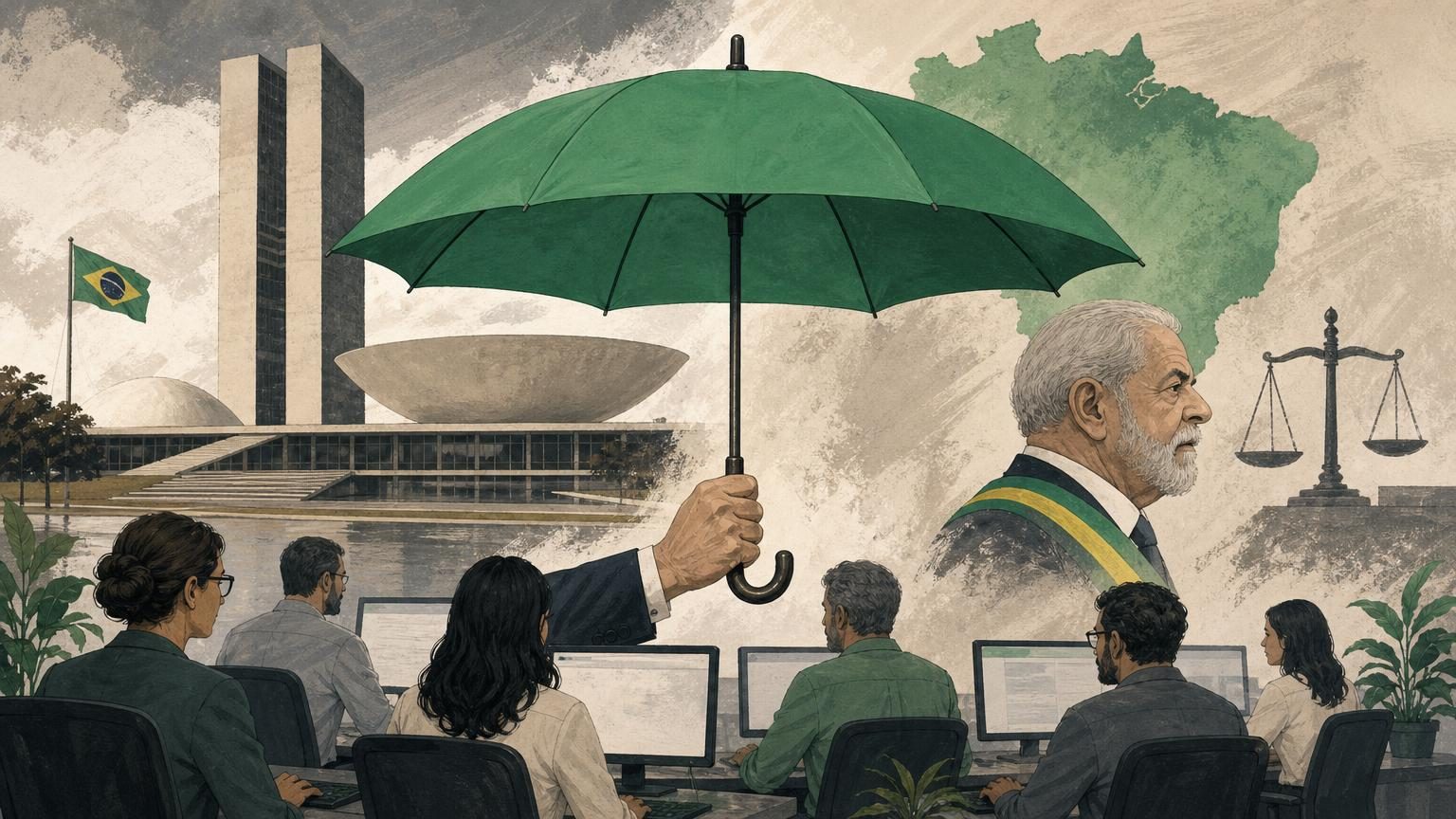
Kaizen Gaming, the parent company of Betano, has issued a public statement promising to protect Brazilian jobs despite the government's abolition of the country's regulated betting market.
The message, posted to LinkedIn and reported by SBC News, urged President Lula's administration to reconsider the ban, warning that it would likely drive bettors towards unlicensed platforms rather than reduce demand for gambling.
"We remain committed to Brazil, and we are here for the long run," the company said.
The ban followed a provisional measure introduced on 25 September that ended Brazil's Bets Law regime less than two years after the regulated market opened. Betano had been the country's leading sportsbook brand, holding a 26% share of Brand Accumulated Power according to the Blask Index, a metric tracking user interest across betting brands.
Kaizen's majority shareholder Allwyn, which holds a 36.75% stake in the group, said shortly after the announcement that Betano was examining ways to limit the damage and preparing legal action to defend its rights under its five-year Brazilian licence.
Kaizen's own statement noted that the fallout extends well beyond bookmakers, pointing to job losses across technology, telecommunications, media, services and education firms linked to the sports betting economy. It added that tax revenue generated by the regulated sector had been funding healthcare, tourism and public security initiatives.
The company argued that prohibition would not eliminate demand, citing international precedent, and warned that bettors could instead turn to operators offering no consumer protections and no financial contribution to the state.
That shift appears to be underway already. SBC Noticias Brasil reported that the number of illegal iGaming operators rose from 331 to 575 in the 24 hours following the ban, a 74% increase. Brazil remains the fifth-largest gambling market in the world, per Blask data, suggesting strong underlying consumer appetite that a ban is unlikely to suppress.
Opposition to the measure has come from multiple directions, including political figures such as Flavio Bolsonaro, who has spoken against the blanket prohibition, alongside sports bodies, clubs and members of the public. The provisional measure could still be allowed to expire, voted down in either chamber of Brazil's Congress, or struck down by the Supreme Federal Court.
Kaizen told staff their positions would remain secure until that congressional process concludes, while confirming it would continue honouring existing social investment commitments and comply fully with the new rules in the meantime.
"Betting carries real risks. Prohibition is not protection. Rules, oversight and education are," the company said.
Kaizen operates in 20 markets beyond Brazil, and its leadership has pursued expansion elsewhere even as the Brazilian situation unfolds, including Betano's new status as an official sponsor of EURO 2028 through an extended UEFA partnership. Even so, the scale of Betano's prior market share in Brazil means the ban's financial impact on the group is substantial.