Blumenthal presses six betting and prediction firms over VIP tactics
Senator Richard Blumenthal has given BetMGM, Caesars, DraftKings, Fanatics, Kalshi and Polymarket until November 5 to detail how they run VIP programmes and deploy AI to keep bettors engaged.
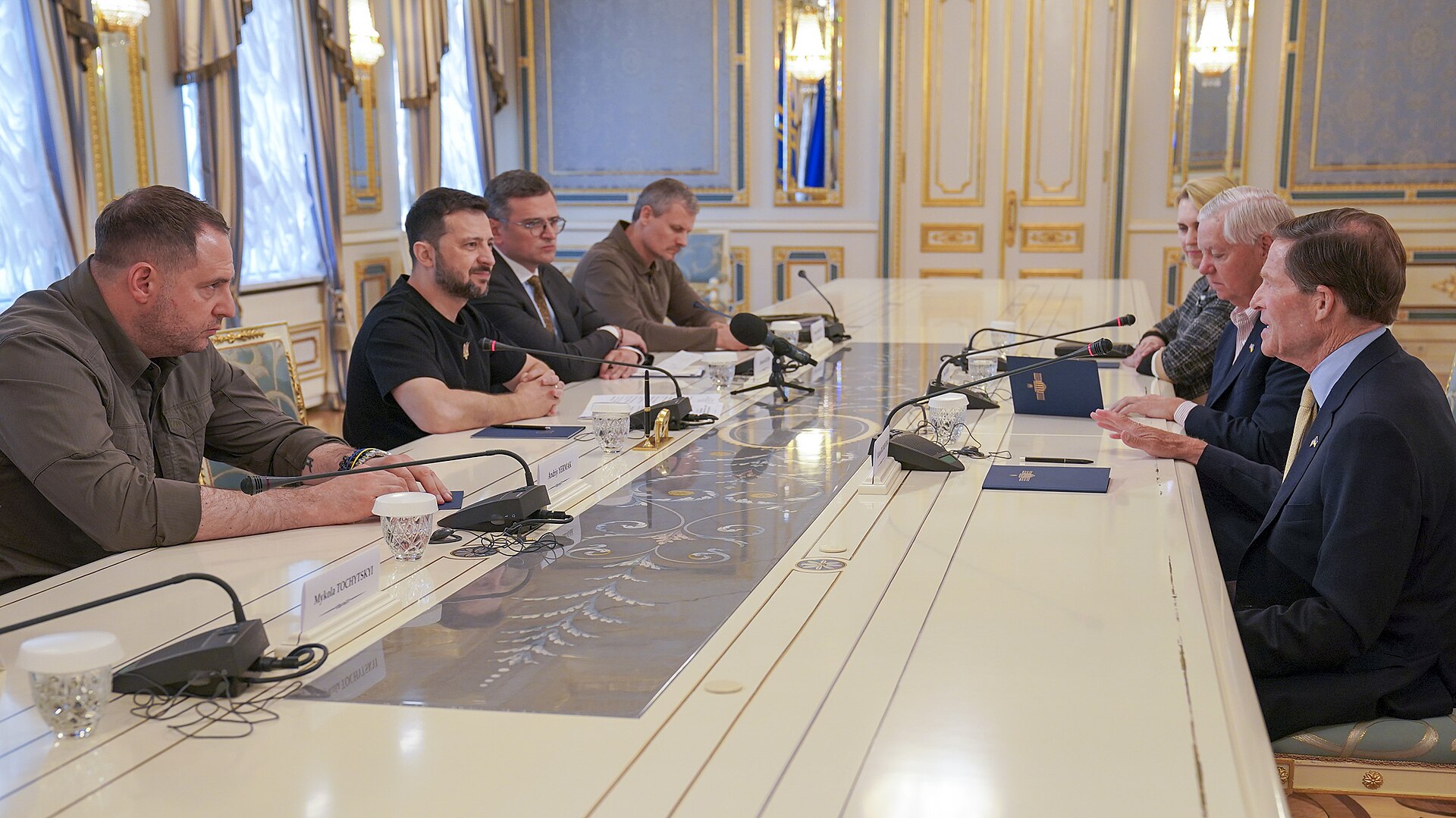
Sen. Richard Blumenthal (D-CT) has widened a congressional inquiry into gambling operators' use of artificial intelligence and VIP marketing, sending letters to six companies on Thursday, October 22, according to SBC Americas.
The letters went to BetMGM, Caesars, DraftKings, Fanatics, and, notably, two prediction market platforms, Kalshi and Polymarket. Each company has been asked to respond in writing by Thursday, November 5.
Blumenthal wants each operator to disclose how many members its VIP or customer-tier programme has, what betting or trading activity members showed before enrolment, and what criteria determine VIP status. He has also asked whether customers trying to cut back on betting were instead offered exclusive deals, and what effect those offers had.
Further questions cover whether operators have sent customers videos from athletes or celebrities to keep them active on the platform, how much revenue flows from VIP programmes, whether VIP managers are used to encourage continued gambling, and how AI is applied to track and target users with promotions.
The inquiry builds on an earlier exchange between Blumenthal and FanDuel over a personalised Cameo video featuring Philadelphia Phillies first baseman Bryce Harper, who said he had not known about or authorised its use. The video was sent to a FanDuel user with a history of gambling problems and more than $1.5 million in platform losses, according to earlier reporting cited by SBC Americas.
That customer, a former FanDuel VIP programme member, sued both FanDuel and DraftKings in March, alleging the companies used VIP hosts to drive betting activity and contribute to gambling addiction and financial losses.
Blumenthal, together with Reps. Paul Tonko (D-NY) and Valerie Foushee (D-NC), wrote to FanDuel, Major League Baseball and the MLB Players Association in August seeking explanations over athlete-fronted VIP marketing. The MLBPA indicated it would be open to barring players from that kind of personalised promotional campaign.
In September, Blumenthal said FanDuel had given "misleading and incomplete responses" to the original inquiry and said he and his colleagues remained unconvinced the operator actively works to protect bettors from harm.
FanDuel subsequently acknowledged sending more than two dozen personalised videos featuring athletes and entertainers to customers over the past two years, describing itself as "a transparent, responsive, and cooperative partner" and confirming it has no plans to discontinue its VIP programme. The Flutter-owned operator denied offering perks to dissuade customers from reducing activity or closing accounts.
In its latest letter this week, FanDuel characterised the videos as "customer-appreciation gestures" rather than tools to sustain wagering, stating: "FanDuel empowers customers to manage their play because our goal is to build a customer base that enjoys FanDuel at a level that is right for them, not to maximize wagering activity."
DraftKings faces separate scrutiny following reporting by The New York Times on its use of AI and by ProPublica on its handling of interactions with problem gamblers. That coverage has prompted gaming regulators in Louisiana, Maryland, Massachusetts, Michigan and New York to examine how licensees deploy AI.
The Massachusetts Gaming Commission wrote to sportsbooks on October 9 asking them to explain how AI is used in marketing and promotions, including whether it is applied to profile individual bettors.
Photo credits
File photo. Photo: usembassykyiv · Public domain · via Wikimedia Commons
