US election results could reshape sports betting, prediction market policy
Nebraska voters decide a statewide sports betting question while governor and legislative races in Georgia, Minnesota, Ohio and Oklahoma will determine which gambling bills advance in 2027, SBC Americas reports.
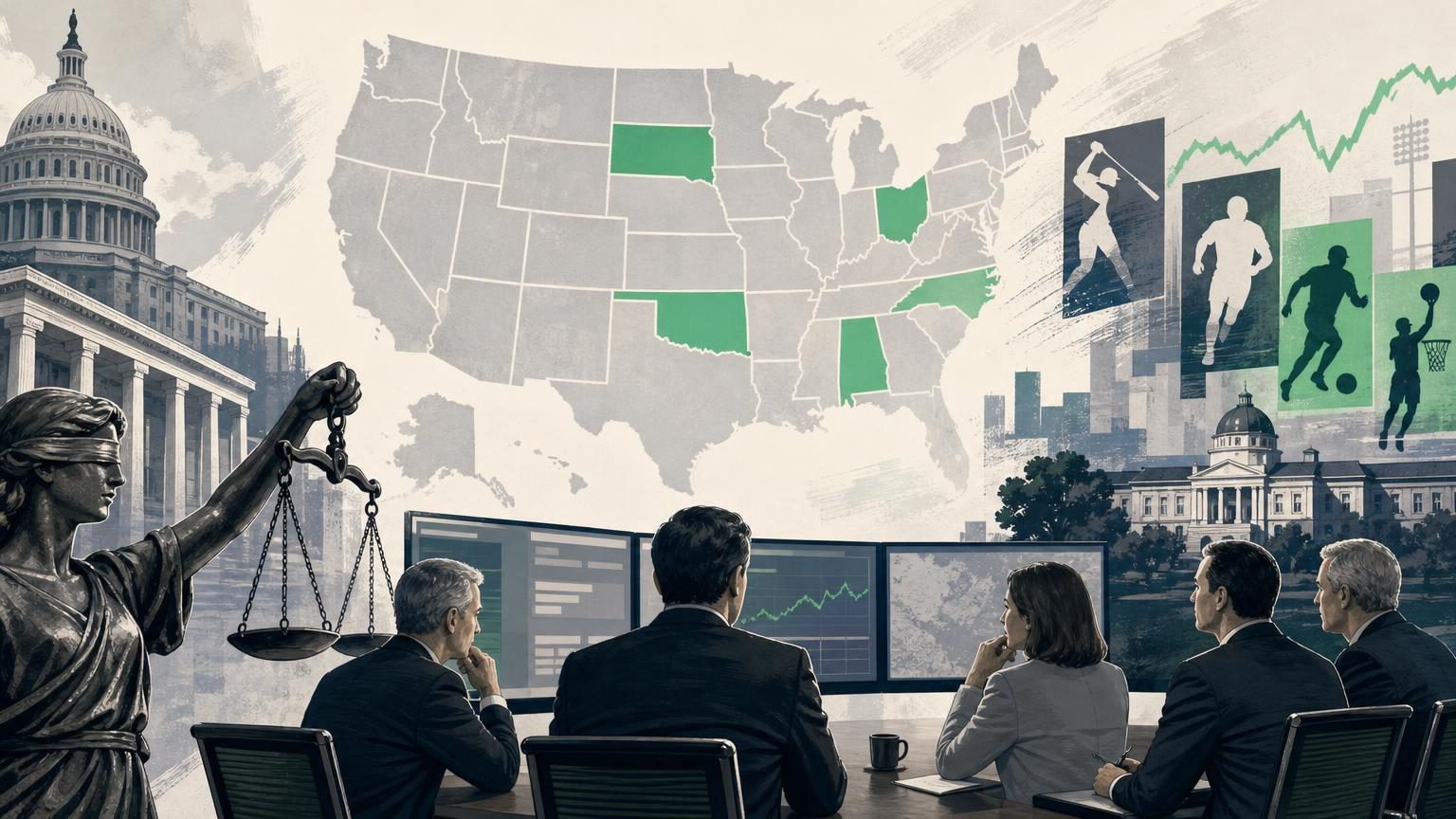
Nebraska is the only state asking voters to settle a statewide gambling question directly on Tuesday's ballot, with residents deciding whether to expand sports betting online. DraftKings and FanDuel backed the campaign with more than $20m in donations, according to SBC Americas.
Elsewhere, the fate of gambling expansion rests with candidates rather than ballot questions. Governors, lieutenant governors and legislative majorities elected this week will decide whether expansion bills get hearings, floor votes or signatures during the next legislative sessions in states that currently lack legal sports betting or iCasino.
In Alabama, which has no lottery, both gubernatorial candidates say voters should be given a say. Republican Sen Tommy Tuberville told AL.com that he supports letting the public vote on the issue, though he would prefer lawmakers assemble one comprehensive plan instead of separate bills covering a lottery and casinos. Democrat Doug Jones said he would pursue both a lottery bill and a wider gambling package, and would push a standalone lottery vote if a broader deal cannot be reached.
Georgia's open governor's race between Democrat Keisha Lance Bottoms and Republican Rick Jackson is rated a toss-up. Bottoms backs a statewide vote on casino gambling, citing projected revenue of more than $300m for pre-kindergarten access, the Atlanta Journal-Constitution reported. Further down the ballot, the DraftKings- and FanDuel-funded committee Win for America put $12.3m into Georgia legislative races during 2026's opening six months, a sum that made up close to half of all outside money spent in the state, and nearly all 34 primary candidates it backed went on to win, per the AJC.
Minnesota is among the handful of states that have yet to legalise sports betting, and every legislative seat there is on the ballot this cycle. The Minnesota Star Tribune reported the Democratic-Farmer-Labor Party has strong prospects of regaining full control of state government after an evenly split House. Sen Amy Klobuchar, the DFL nominee for governor, faces House Speaker Lisa Demuth; neither has made sports betting central to their campaign, though state sports teams supportive of a legal market have donated to Klobuchar.
In New York, a recent Quinnipiac poll cited by City & State put Gov Kathy Hochul 14 points ahead of Republican challenger Bruce Blakeman. Neither candidate has committed to signing proposed online casino legislation, but prediction markets mark a clearer divide: Hochul's gaming commission is in court seeking records from Kalshi on its sports contracts, while Blakeman supports allowing online prediction markets.
Ohio's race could open a path to online casino legislation once Gov Mike DeWine, a vocal iCasino critic, leaves office. Cleveland.com reported that Democrat Amy Acton supports legalising new online gambling forms to fund schools, child care and property-tax relief, while preserving the state's existing 20% tax on sports betting. Libertarian candidate Don Kissick has likewise voiced support for expansion, while Republican Vivek Ramaswamy has pledged only a "holistic" review of the state's gambling rules in search of new revenue.
Oklahoma's governor's race pits Republican Mike Mazzei against Democrat Cyndi Munson, the House minority leader, as term-limited Gov Kevin Stitt exits after eight years of friction with tribal governments over gaming compacts. The state Senate has already killed the most recent sports betting bill, HB 1047, before it could reach the governor's desk.