US online casino regulation held up as global template amid Maine dispute
An analysis for SBC Americas traces how state-by-state regulation turned America into a reference point for iGaming markets worldwide, with Maine's tribal-exclusivity model now facing a legal challenge from Churchill Downs.
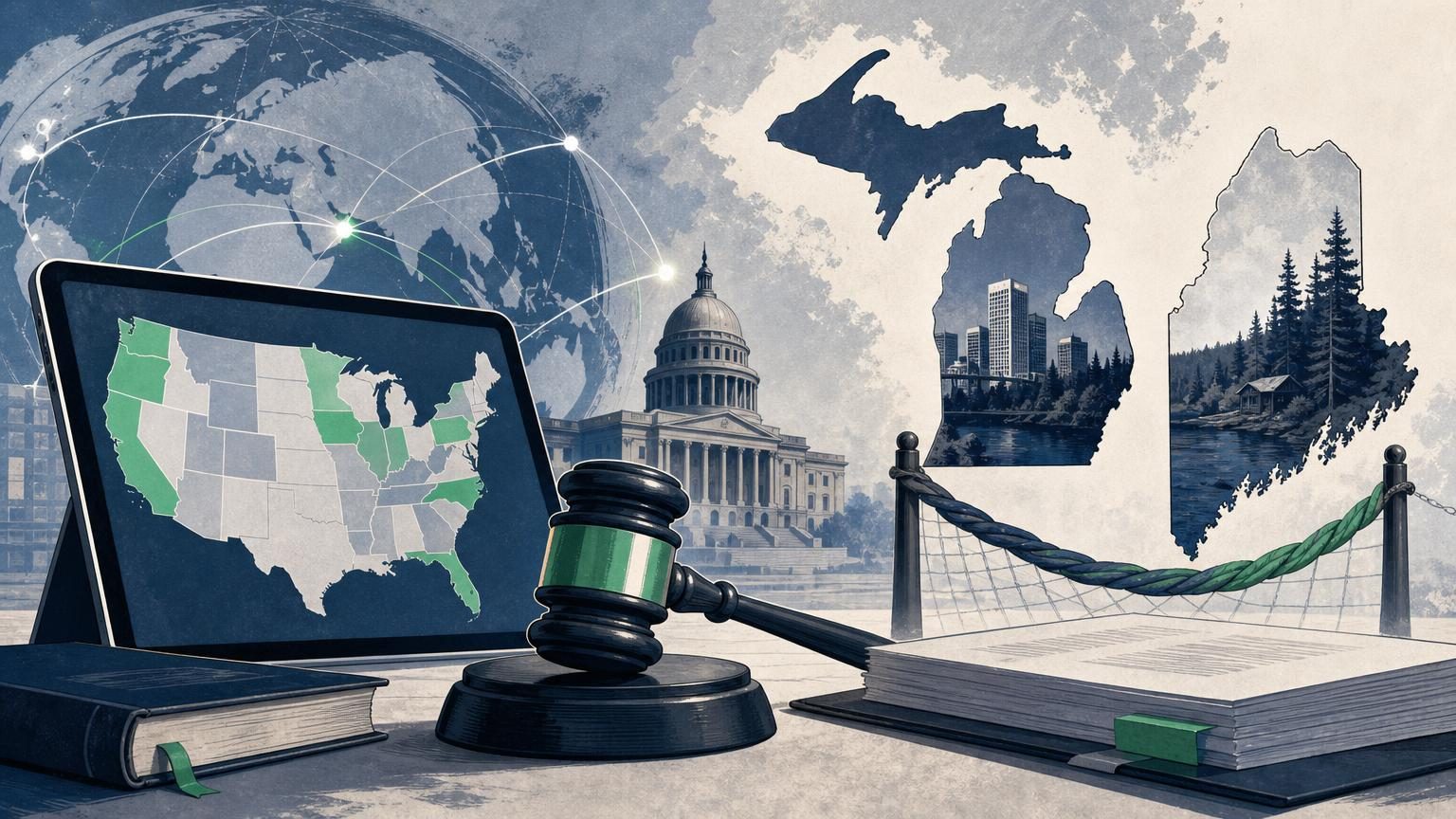
The United States has shaped the global online casino industry not through a single federal framework but through a patchwork of state regulators that other jurisdictions now study as a model, according to an analysis published by SBC Americas and written by Casino.ca contributor Lara Wilson.
New Jersey, Pennsylvania and Michigan are cited as examples of states that have shown online casinos can be regulated safely while still producing significant tax revenue and strong consumer safeguards.
The piece traces the sector's uneven early history. Online casinos appeared in the late 1990s, but with no federal authorisation in place, American players relied on offshore sites. The Wire Act of 1961 and the Unlawful Internet Gambling Enforcement Act of 2006 added further legal uncertainty. UIGEA did not criminalise play itself but barred banks and payment processors from handling transactions tied to unlawful betting, a restriction that pushed several major operators out of the US market.
A 2011 opinion from the US Department of Justice marked the turning point, clarifying that the Wire Act applied only to sports betting rather than online casino games or poker. That clarification gave states the legal footing to regulate intrastate online gambling, and New Jersey became the first major jurisdiction to launch a regulated online casino market, in November 2013.
The 2018 repeal of the Professional and Amateur Sports Protection Act further accelerated expansion, ending the federal ban on sports betting and affirming that states could set their own gambling laws. Pennsylvania, Michigan, Connecticut, West Virginia, Rhode Island and Delaware went on to authorise real-money online casino gaming.
The analysis also credits US momentum with influencing Canadian policy. Provincial online casinos in Canada have operated since provinces gained gambling authority in 1985, but the post-2018 growth in US iGaming is described as a factor behind Canada's 2021 sports betting reform and Ontario's move to open its online casino market in 2022, a market Casino.ca says now comprises 84 licensed sites.
Maine is set to become the eighth US state to legalise online casinos, with a market expected to launch within the next year. Its structure departs from other states: four online casinos will launch, each tethered to one of Maine's four recognised tribes, with each tribe given exclusive rights to partner with a single third-party operator. Tribes had previously been excluded from US online casino markets despite long-standing ties to land-based gaming.
The approach has drawn a legal challenge. Churchill Downs, which operates a land-based casino in the state, has filed a federal lawsuit over the tribal-exclusivity model, according to the report. The case remains unresolved and could affect how the market is ultimately structured.
Casino.ca's analysis suggests other states are likely to watch the Maine case closely, noting that a successful outcome could establish a new regulatory template for reconciling online gambling revenue with tribal gaming rights elsewhere in the country.
The piece concludes that licensing regimes in regulated US states typically require operators to meet strict standards on anti-money laundering controls, cybersecurity, game fairness and responsible gambling, including identity verification, safeguarding of customer funds, deposit limits and self-exclusion tools.