UIGEA at 20: how a rushed US law reshaped online gambling
Two decades on from the Unlawful Internet Gaming Enforcement Act, operators recall how a payments-focused amendment tacked onto a port security bill gutted the US online betting and poker market overnight, according to EGR.
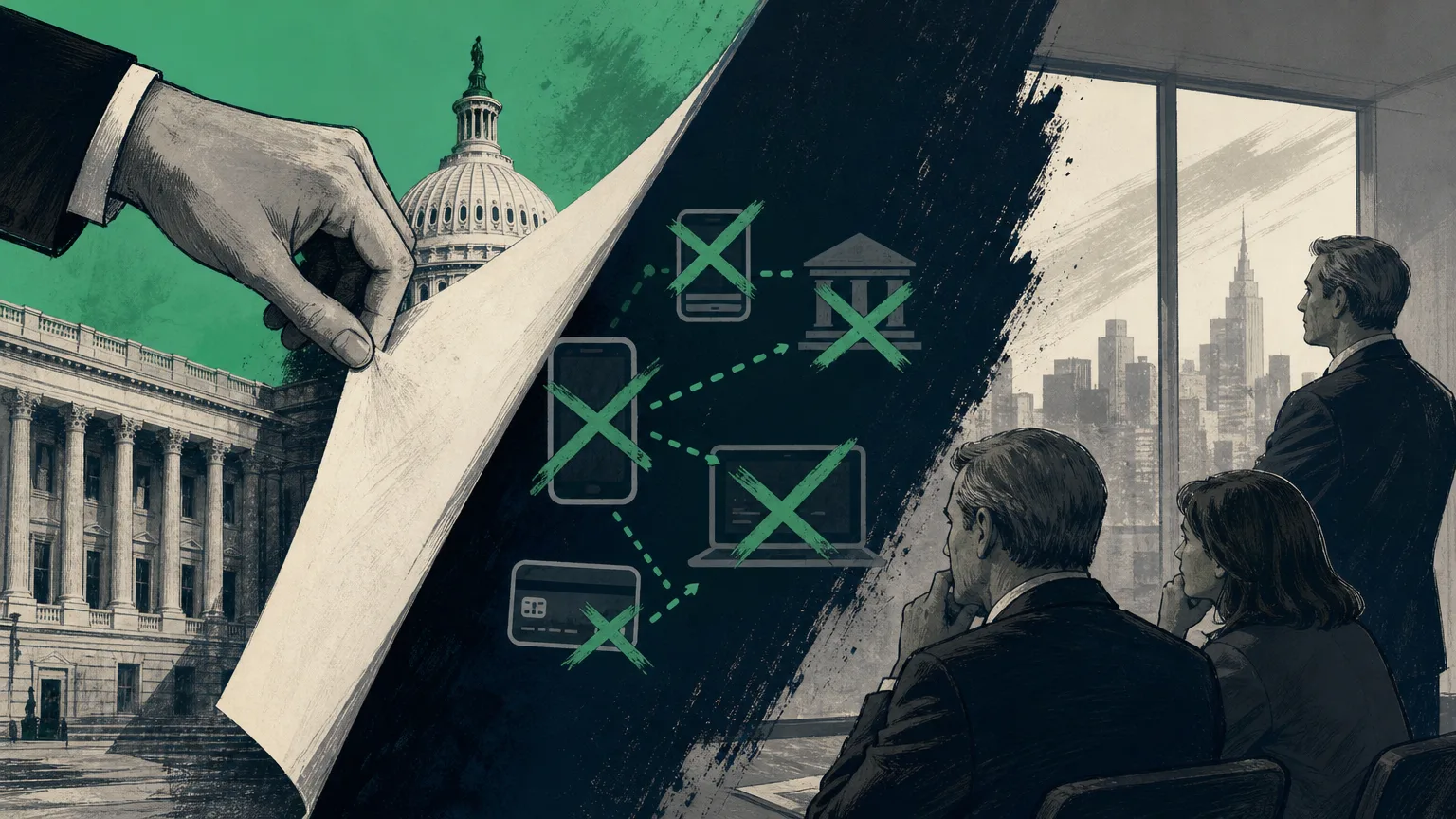
Twenty years ago this month, a piece of US legislation aimed at maritime security ended up dismantling much of the online gambling industry, according to EGR.
The Unlawful Internet Gaming Enforcement Act (UIGEA) was attached to the SAFE Port Act, a bill designed to tighten cargo and port security after the 9/11 attacks. It did not outlaw online gambling outright. Instead, it made it a criminal offence to knowingly process payments connected to unlawful internet wagering, cutting operators off from US banks and credit cards.
Senate Majority Leader Bill Frist pushed the combined bill through Congress in the early hours of 30 September 2006, and President George W Bush signed it into law on 13 October, EGR reports.
Rob Gallo, who ran Sun Poker and Omni Casino from Antigua, told EGR he learned of the change from his payments supplier Cryptologic while at the beach with his family. He recalled being told the company would stop taking US bets from the following Tuesday, and said roughly 85% of his business vanished overnight.
Mark Blandford, founder of Alderney-licensed bookmaker Sportingbet, which had bought Paradise Poker in 2004, told EGR the manoeuvre caught the sector completely off guard, calling it effective political tactics that outfoxed the industry. Gigi Levy, who joined 888 as COO in June 2006, said many in the business felt disbelief and some anger that the measure had been attached to unrelated legislation.
The law was not the first US attempt to curb online gambling. Senator Jon Kyl's Internet Gambling Prohibition Act of 1997 sought to extend the Wire Act of 1961 to cover internet betting, and passed the Senate before failing in the House; a 1999 repeat effort met the same fate. UIGEA itself originated from a 2005 bill introduced by Representative James Leach targeting payment instruments used for unlawful online gambling.
By 2005, EGR notes, around two-thirds of American adults had internet access and online gambling was expanding fast. Deutsche Bank estimated US citizens wagered more than $4bn online on sports, casino and poker that year, while a 2006 American Gaming Association survey found only 19% of American internet bettors believed the activity was illegal.
Analyst Simon French, who covered the leisure sector at Numis Securities between 2005 and 2008, told EGR operators in that era were generating EBITDA margins of 60% or more, helped by an absence of gaming tax and the lightest of supply-side regulation.
Online poker's growth in particular had been supercharged by Chris Moneymaker's 2003 World Series of Poker Main Event win, secured after qualifying through an $86 satellite on PokerStars and beating a field of 839 players for a $2.5m prize. By 2006, the Main Event at the Rio Hotel & Casino drew 8,773 entries competing for a $12m top prize, illustrating how large the poker economy had become before UIGEA's payments crackdown took hold.