Texas gambling bills gain path after Patrick loses lieutenant governor race
Democrat Vikki Goodwin's defeat of Dan Patrick removes the Texas Senate's longtime opponent of gambling expansion, though any legalisation still needs a constitutional amendment and voter approval.
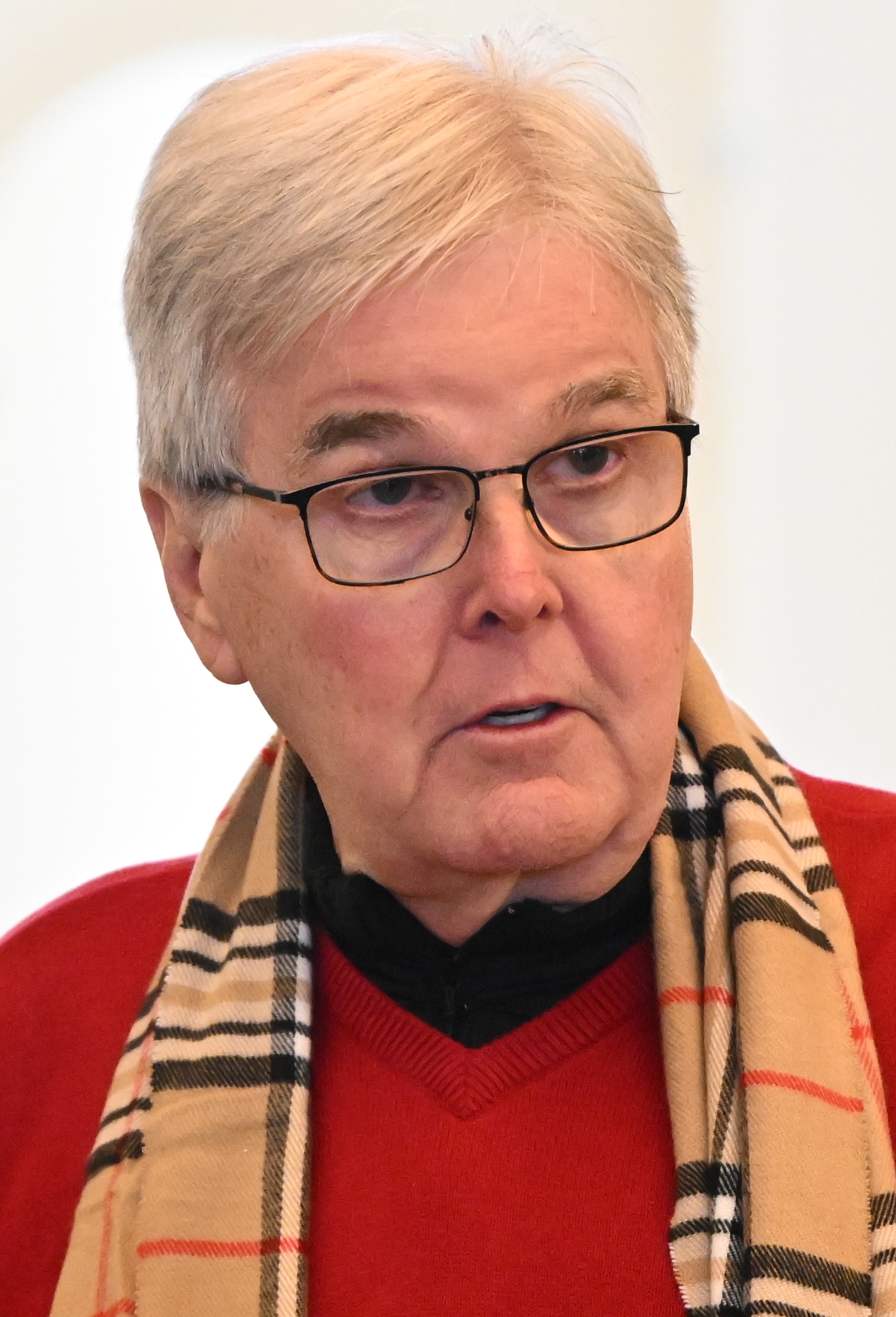
Texas gambling legislation may finally reach the Senate floor after a decade of being blocked, following Democrat Vikki Goodwin's defeat of Lt. Gov. Dan Patrick on Tuesday, according to Legal Sports Report.
Patrick has held the lieutenant governor's office since 2015 and has consistently opposed legalised gambling in Texas. Earlier this year he tasked a Senate committee with examining prediction markets, platforms whose sports event contracts function much like sports wagers.
Goodwin has taken a markedly different position, saying on her campaign website that the decision should rest with Texas voters. "I think we should let the people of Texas have a say in this decision through the democratic process, as they are the ones who should ultimately determine what's best for our state's future," she wrote.
Her win does not legalise anything by itself. Gambling expansion in the state can only move forward through a constitutional amendment, and that needs backing from two-thirds of lawmakers in both the House and Senate before voters get a say. Legal Sports Report reported that Texas Senate Republicans are now discussing stripping legislative powers from the incoming lieutenant governor.
As lieutenant governor, Goodwin will preside over the Senate, appoint committee chairs and control which legislation gets a floor vote, authority Patrick relied on for years to keep gambling measures from advancing.
Goodwin also framed expansion in economic terms. "Right now people leave, and take their dollars with them, to go to nearby states where they can gamble, which means Texas is losing out on potential revenue and economic activity," she wrote, adding that regulation could bring "job creation, tourism, and tax revenue" to the state.
A statewide vote would not guarantee legalisation succeeds. Nebraska voters rejected online sports betting on the same day, with that question having qualified for the ballot via a citizen petition drive rather than lawmaker action. No such petition route exists in Texas, so any gambling referendum would first require lawmakers' approval.
Democrats won other significant races across the state. James Talarico defeated Attorney General Ken Paxton for a U.S. Senate seat; Talarico backed a 2023 constitutional amendment that would have let Texans vote on casinos and sports betting. His spokesperson Antonio Esparza told Politico in August 2025 that Talarico has supported casino expansion "his entire career" because it would bring jobs and tax revenue.
Gina Hinojosa also defeated incumbent Governor Greg Abbott. The former state representative had voted against the 2023 gambling resolution.
Previous attempts to expand gambling in Texas have stalled repeatedly. A 2023 bill, HB 1942, passed the House but was ruled dead by Patrick, who said there was "little to no support for expanding gaming from Senate GOP." A fresh wave of House Republicans in the 2025 session vowed to resist any expansion effort, leaving that year's gambling bills with no realistic chance of passing. Abbott himself wavered, saying early in 2025 he had no problem with online sports betting before later saying he was "simply not there yet" on casinos or sportsbooks.
Prediction markets remain a separate flashpoint. Paxton has stayed largely silent on the platforms, and Politico reported he accepted $12,000 from Kalshi; Texas has not joined other states in litigation or coalitions against the sector. Patrick, by contrast, directed the Senate to examine how prediction markets use federal law to bypass the state's gambling prohibitions.
Sen. Bob Hall wants to draft legislation banning prediction markets from offering sports event contracts in Texas. "They're just dressed up differently," Hall said, likening the platforms to sportsbooks. "They're different costumes on gambling is what it is."
The incoming leadership inherits that unresolved fight. Goodwin will take charge of the Senate that conducted Patrick's prediction-markets study, Hinojosa gets to decide the fate of any proposed ban on the platforms, and Talarico takes a seat in Washington as the wider federal argument over prediction-market oversight continues.
Photo credits
File photo. Photo: Maryland GovPics · CC BY 2.0 · via Wikimedia Commons
