Kalshi, Polymarket face new disputes in prediction markets fight
An Oklahoma tribe denies a Kalshi partnership claim, Polymarket seeks a federal injunction against New York, and Google bars prediction market ads in five states, SBC Americas reports.
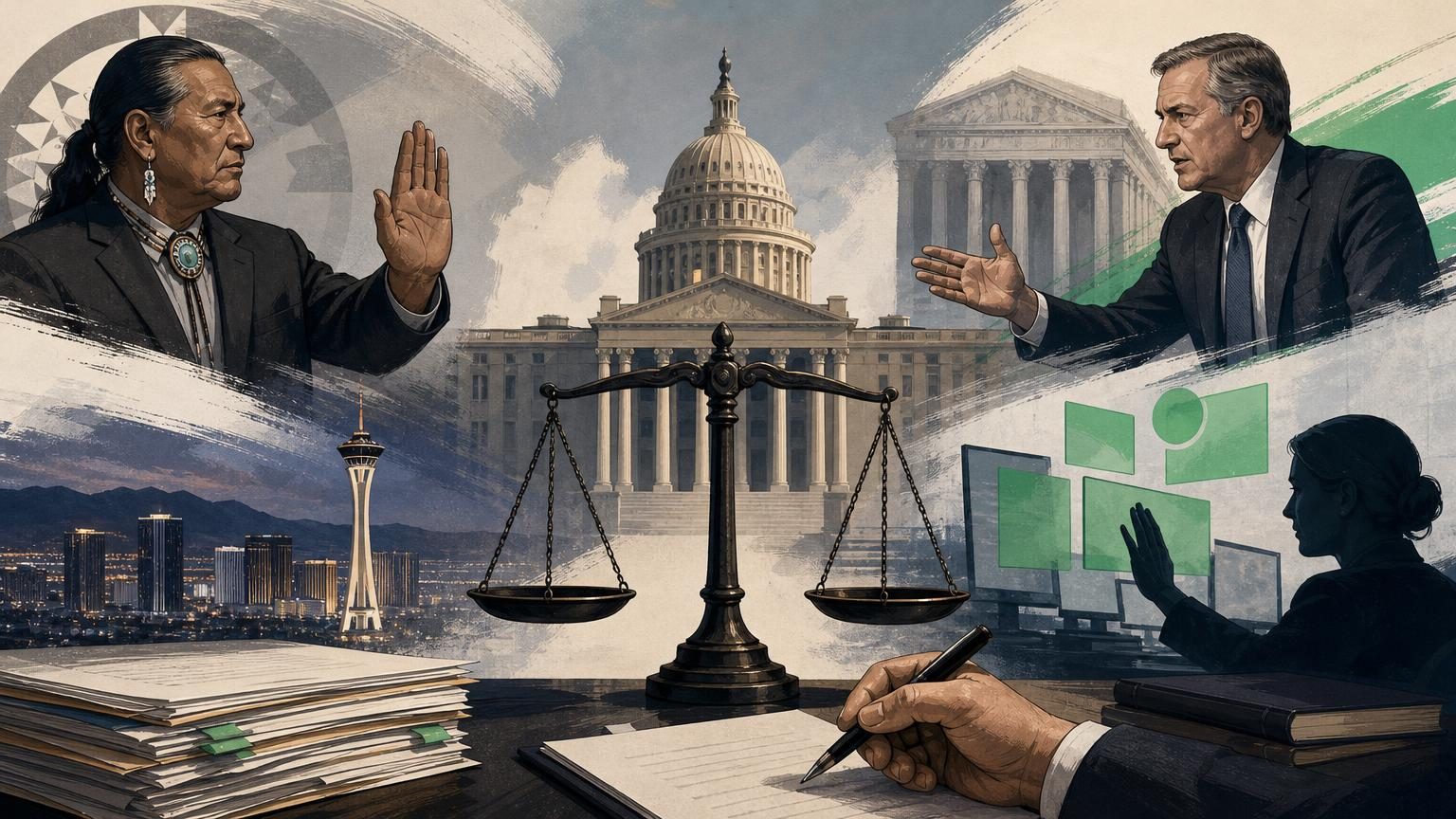
The Alabama-Quassarte Tribal Town of Oklahoma has publicly denied signing any agreement with Kalshi, days after the prediction market operator claimed to have partnered with several Oklahoma tribes to launch its products, according to SBC Americas.
A statement shared by Indian Gaming Association Conference Chair Victor Rocha, attributed to the tribe's Chair Samuel Marshall Jr., called any suggestion of a Kalshi agreement "false" and said prediction markets "undermine the Indian Gaming Regulatory Act and Oklahoma/Tribal State compacts by allowing illegal Class ll gaming to diminish the sovereignty of Tribal nations and undermine revenue streams critical to Tribal government programs and services."
Oklahoma Indian Gaming Association Chairman Matthew Morgan, who had previously warned that contracts signed by non-member tribes with Kalshi risked undermining IGRA and existing tribal-state compacts, said the association "applaud[s] their tribal leadership's position on prediction markets." SBC Americas noted that Kalshi's website still carried the announcement of the Alabama-Quassarte agreement at the time of writing.
Polymarket, meanwhile, has escalated its legal fight with New York. Less than three weeks after state Attorney General Letitia James sued the company in the state Supreme Court seeking a permanent injunction and potentially billions of dollars in financial recompense over its sports prediction markets, Polymarket asked a federal judge on Monday 12 October for a preliminary injunction against James and other New York officials.
The company argued it needed an expedited response because of "ongoing irreparable harm" caused by the state's actions, having already filed its own suit against New York officials in federal court in response to James's case.
Polymarket's chief legal officer, Neal Kumar, told SBC Americas in late September that New York's leadership had conducted a "media hit" on the New York City-headquartered company. "While the AG's decision to copy/paste a recycled lawsuit is disappointing, we'll fight for our users," Kumar said. "We didn't run to preemptively sue the state — we chose to engage with them directly on the substance and address their concerns. They preferred the media hit. Any time the AG's office wants to swing by, our door is open for a conversation about how we protect consumers and offer fair, transparent and legal markets."
Google has also tightened its stance on the sector, introducing dedicated advertising rules requiring prediction market products and ads to comply with "all local laws, financial regulations, industry standards and all other Google Ads Policies." A new prediction markets advertising page bars such companies from advertising in Connecticut, Michigan, Nevada, New York and Ohio, all states currently litigating against the industry.
Gaming regulators in Michigan and Nevada have already claimed success in forcing sports event contracts offline in their jurisdictions. Google began allowing prediction markets registered with the Commodity Futures Trading Commission or the National Futures Association to advertise as financial products in January 2026, but excluded Nevada from that policy from the start.
Nevada's regulator has kept up pressure on the industry. Nevada Gaming Control Board Chair Mike Dreitzer, a longstanding critic of sports event contracts, used a panel at September's Global Gaming Expo to question the sector directly: "What exactly is innovative about what they do? Is it innovative that they take bets from 18, 19, and 20-year-olds? Is it innovative that they take bets in states where it's a felony to do so? Is the fake liquidity the innovative part?"
Dreitzer added that "crime and deception are not innovation," telling reporters in the audience to quote him directly, and said Nevada remains "very proud" of being what he called a "sports prediction-free state."