New Zealand sets up NZ$20m community fund from online casino duty
New Zealand's Online Casino Gambling Bill would ring-fence a slice of offshore gambling duty for community grants from January 2027, with officials estimating NZ$10m-NZ$20m a year.
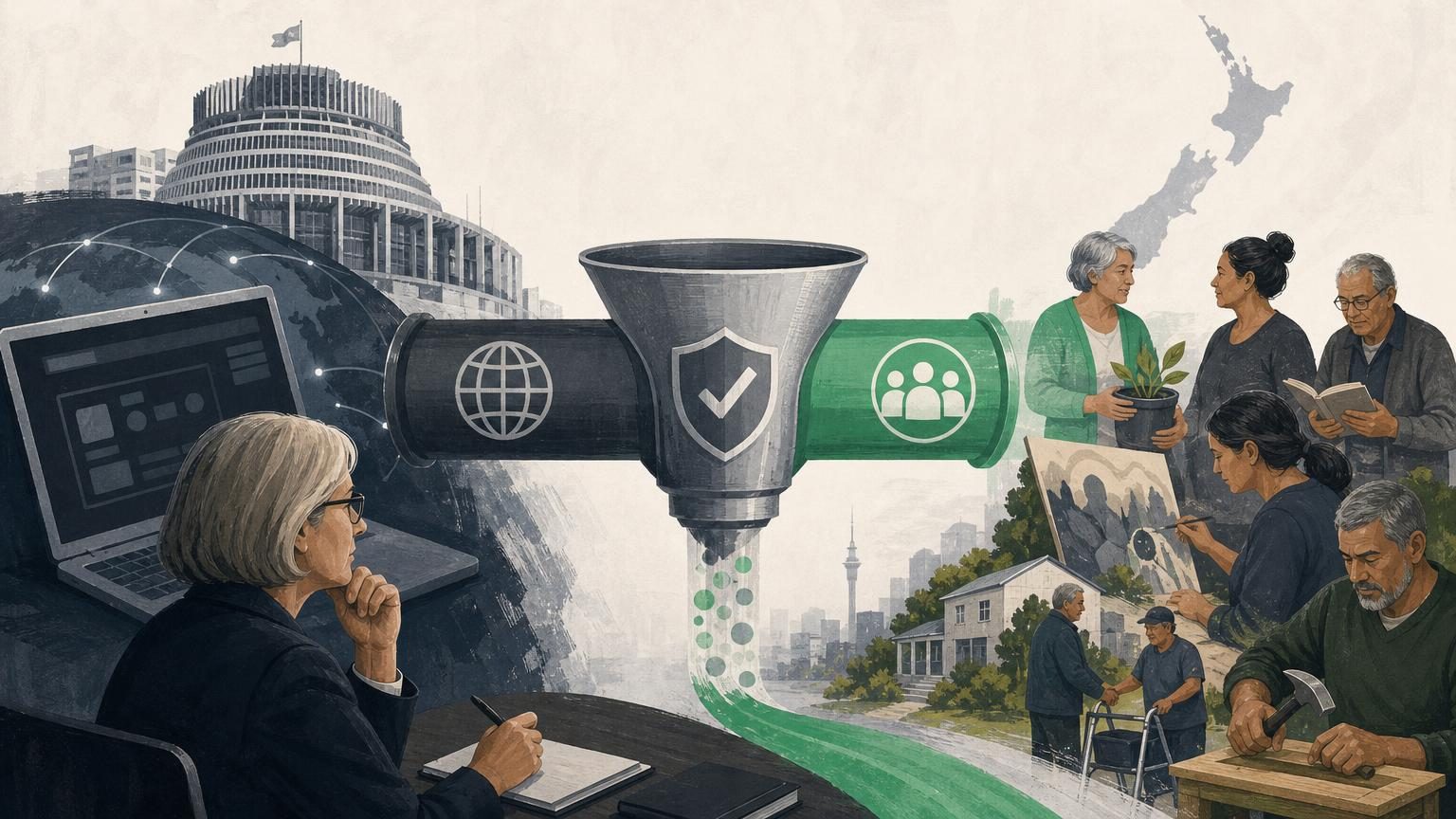
New Zealand's government has published plans that could direct as much as NZ$20 million (US$11.2 million) a year into community funding from the country's forthcoming online casino sector, according to iGaming Business.
The mechanism sits within the Online Casino Gambling Bill and would ring-fence a portion of offshore gambling duty, channelling it to grassroots organisations through the Lottery Grants Board. The policy was published for public viewing last week, having first been considered as part of the bill in December.
The contribution is set at the equivalent of 4% of operator gross gaming revenue. It is intended to sit alongside existing funding streams from Lotto, Class 4 gambling and TAB proceeds, creating an additional channel of community revenue once it takes effect on 1 January 2027.
Officials expect the annual contribution to fall between NZ$10 million (US$5.6 million) and NZ$20 million, with the final figure depending on market uptake and how much wagering activity shifts from unlicensed offshore operators to the new licensed regime.
Up to 15 online casino licences are being tendered by the government, with applications under assessment following an auction held in September. A final decision is expected this month, and any operator that fails to secure a licence will be required to stop operating from 1 December.
Consultation raised funding concerns
Public consultation on the funding policy drew 4,837 submissions, of which 3,966 raised concerns about the effect on existing community returns, particularly from electronic gaming machines, which currently provide significant funding for local groups.
Government papers acknowledged the evidence on how online gambling might affect those existing funding streams was mixed. That uncertainty prompted a commitment to review the community funding arrangements two years after they come into force, drawing on input from licensed and prospective operators as well as community organisations.
The consultation documents were candid about the limits of the policy's case. "While this proposal creates benefits for community groups and these groups highly value grants, the benefits cannot be monetised easily as the value of them is unknown," the report stated.
It added: "The proposal incurs direct costs to operators and administrative costs for the government. The proposal also incurs unquantifiable opportunity costs, risk to Lotto NZ and a low risk of increased gambling harm."
"On balance therefore, we consider that there is a risk that these costs may outweigh community benefits," the papers concluded.
A market still taking shape
New Zealand's iGaming legislation received royal assent in May, but the licensed market will not be fully operational until 2027. The timeline has slipped by more than a year from an initial launch target of June this year, after stakeholders told iGaming Business last July that legislative uncertainty was likely to cause delay.
Market access is being tightly controlled, and marketing rules are strict: affiliate and influencer advertising will be banned, alongside many other forms of promotional activity. Compliance obligations are similarly demanding, with gambling duty rising from 12% to 16%, on top of 15% GST, a 1.24% problem gambling levy and a 3.5% licensing fee.