Lawyer says Brazil betting ban will fuel investor distrust
Luiz Felipe Maia of Maia Yoshiyasu Advogados tells iGaming Business the suspension of Brazil's regulated betting market was an electoral move that risks compensation claims and a surge in illegal gambling.
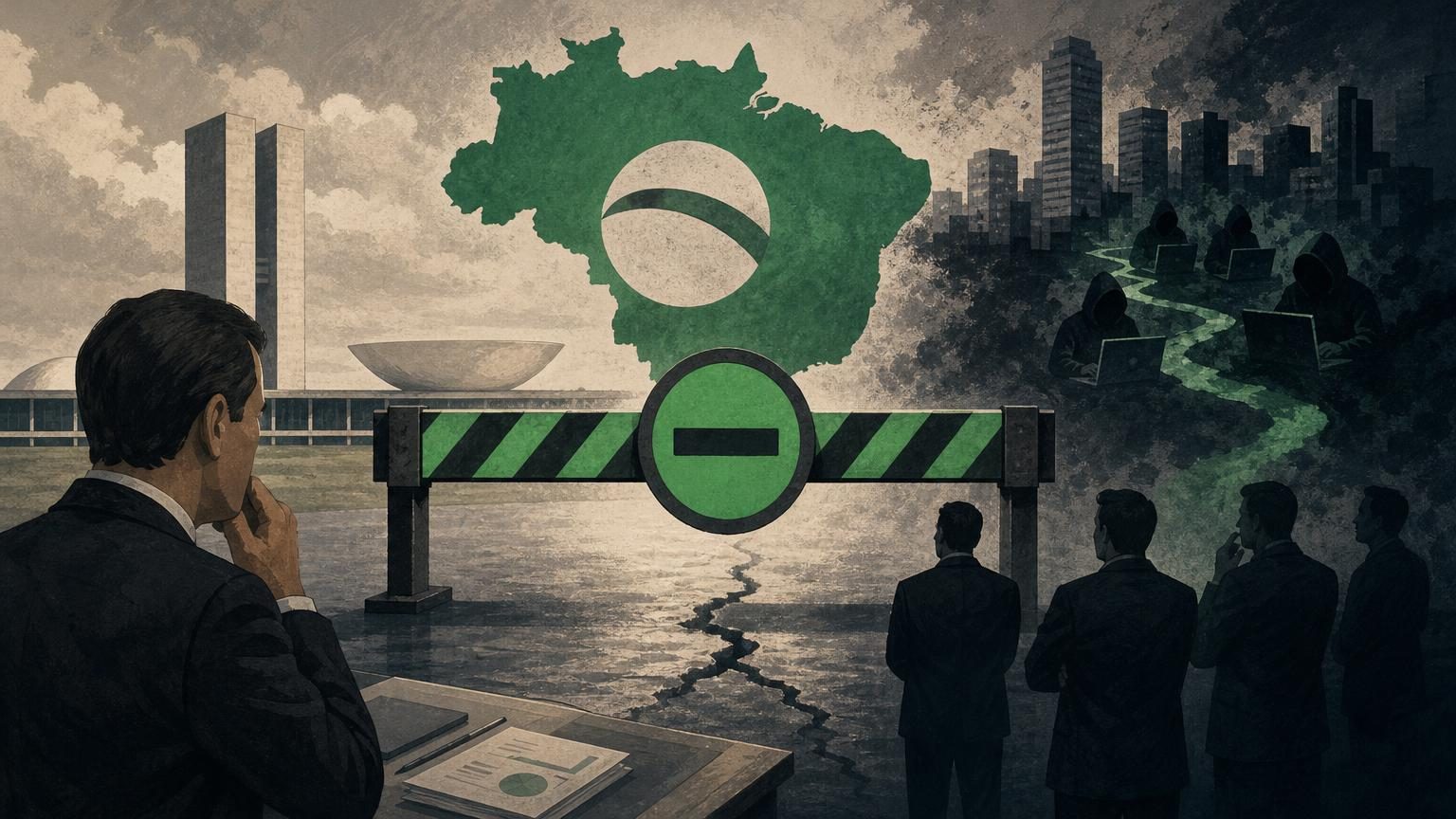
A prominent Brazilian gambling lawyer has warned that the government's ban on betting, announced by President Lula in late September, threatens to undermine confidence in Brazil as a market for investors well beyond the gambling sector.
Speaking to iGaming Business at SBC Lisbon, Luiz Felipe Maia of Maia Yoshiyasu Advogados described the measure as politically motivated and said it interrupted the maturing of a market that had only recently been legalised, regulated and supervised by the Secretariat of Prizes and Bets (SPA).
Maia noted that licensed operators had paid BRL30 million for their authorisations and argued the suspension amounted to dismantling an industry that had been consolidating under SPA oversight. He said the reaction among industry contacts at recent events in France and Portugal was one of disbelief, adding that "nobody believes what happened" and that the episode "generates a great deal of distrust towards Brazil."
The lawyer rejected the idea that the ban was a response to operators failing to comply with the rules. Asked whether the decision was electioneering, he replied "Absolutely," pointing to the timing and the fact that the provisional measure was issued without a fiscal impact study.
Maia drew comparisons with other regulated industries in Brazil, asking rhetorically whether mining or the beverage sector, including brewer Ambev, should also be shut down over harms linked to environmental disasters or alcohol-related deaths and drunk-driving accidents.
He was critical of the president's public remarks linking gambling to suicides caused by debt, saying the government had not examined whether those debts were actually caused by betting or had other origins. He called the ban "very cheap opportunism" with consequences reaching far beyond the betting sector, arguing that Brazil's perceived risk profile will now be judged before and after the decision.
On the prospects for reversal, Maia said he considers himself realistic rather than simply optimistic, citing legal arguments already before the judiciary and an expectation that the National Congress will not endorse the measure. He said he believes parliamentarians will treat the matter as a question of state policy rather than follow the electoral framing set by the president's campaign.
Maia argued that failure to honour existing licensing contracts could expose the Brazilian state to significant compensation claims from operators. He also warned the ban effectively hands an estimated 30 million bettors to organised crime, since demand for gambling does not disappear once the legal channel is closed.
According to Maia's assessment, the suspension could cost Brazil approximately BRL15 billion ($2.99 billion) in annual revenue and push bettors toward unregulated operators outside SPA's compliance and identification safeguards.
He also disputed separate action from the Attorney General's Office seeking compensation and reimbursement for Brazil's public health system, SUS, arguing that licensed operators acted within the law and that the figures presented by authorities do not establish a proven link between betting, indebtedness and damage to public health.