Caesars Entertainment Settles EEOC Disability Lawsuit for $150,000
Horseshoe Casino Baltimore and parent Caesars Entertainment will pay a former blackjack dealer after the EEOC alleged he was fired following a heart attack at work.
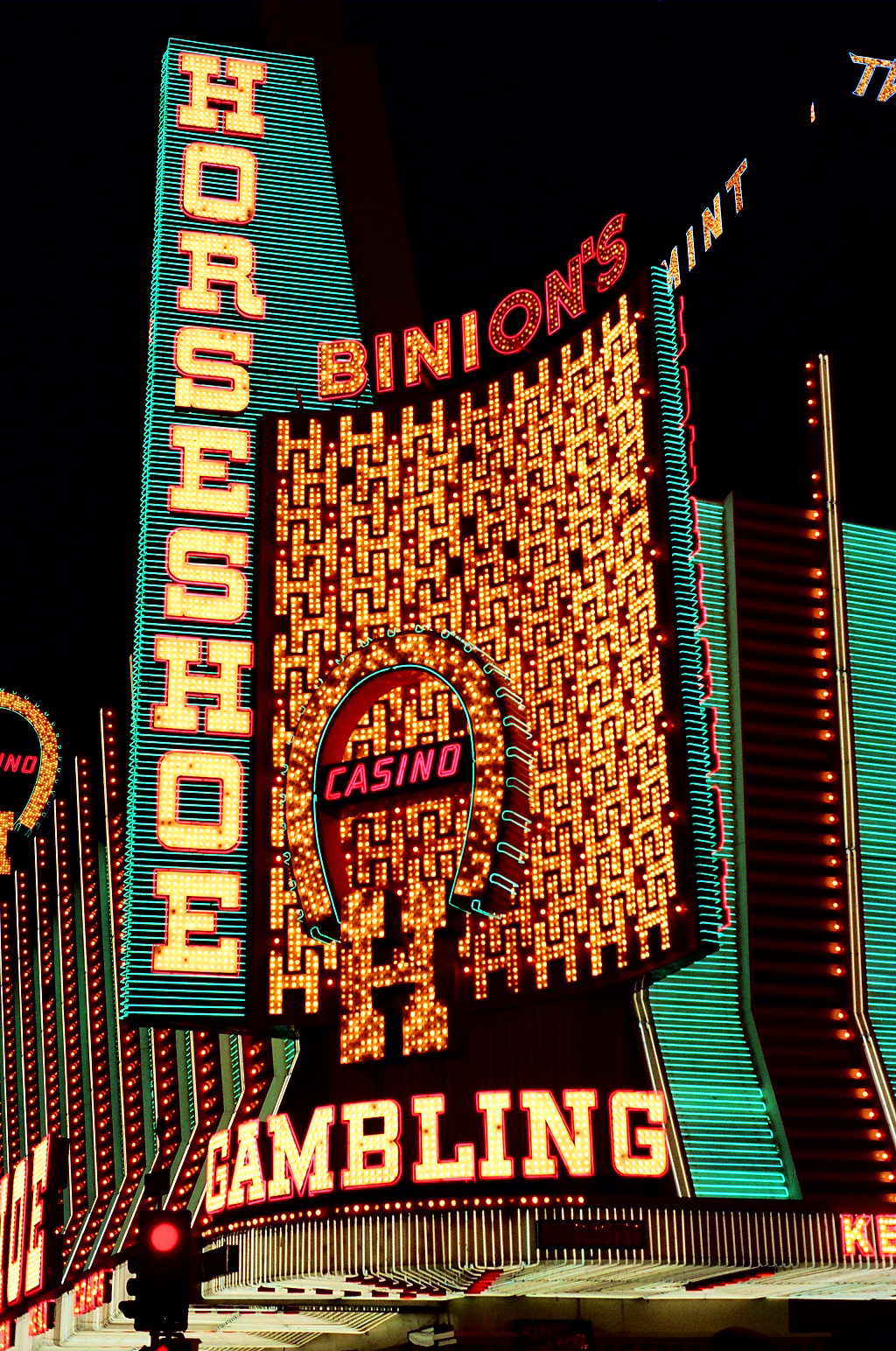
Horseshoe Casino Baltimore and its parent company, Caesars Entertainment, have agreed to pay $150,000 to settle a federal disability discrimination lawsuit brought by the US Equal Employment Opportunity Commission (EEOC) on behalf of a former blackjack dealer.
The settlement was approved on Tuesday by US District Judge Brendan A. Hurson, according to Casino.org News. It resolves claims that the casino violated the Americans with Disabilities Act by dismissing dealer Quann Massey after he suffered a heart attack on the casino floor, and then refusing to reinstate him.
Under the deal, which contains no admission of wrongdoing by either company, Massey is to receive $130,000 in compensatory and punitive damages plus $20,000 in back pay, both payable within 30 days.
Massey joined Horseshoe Baltimore in December 2022 and was promoted to blackjack dealer in April 2023. Within days of starting the new role, he suffered a heart attack while working and was admitted to a cardiac intensive care unit.
The EEOC alleged that casino management and human resources were told of Massey's heart attack, his ongoing hospitalisation and his need for surgery and medical leave. Massey also asked about potential accommodations for his return, including what the commission described as "alternate schedules, work hours, and other job modifications and accommodations."
According to the EEOC, a table games manager instead told Massey "he should not return to work if he had any medical restrictions." The commission claimed the companies then fired Massey without telling him, and subsequently declined to reinstate or rehire him.
The EEOC filed suit in December 2025 after attempts to resolve the dispute through its administrative conciliation process were unsuccessful.
Beyond the financial payment, the settlement places Horseshoe Baltimore under three years of EEOC oversight. Managers, supervisors and human resources staff must complete at least three hours of disability discrimination training, while other employees must receive a minimum of two hours.
The casino is also required to maintain records of disability discrimination complaints and accommodation requests, detailing how each was handled, and to submit those records to the EEOC every 120 days. The commission retains the right to inspect the property and interview staff, provided it gives advance notice.
The settlement closes the EEOC's own lawsuit but does not extinguish any separate legal claims Massey may still pursue against Horseshoe Baltimore or Caesars Entertainment.
Photo credits
File photo. Photo: Larry D. Moore · CC BY 4.0 · via Wikimedia Commons
