Hawaii lawmakers eye prediction market rules before 2027 session
A new lawsuit against Kalshi and a stalled sports betting debate push Hawaii legislators toward regulating or banning event contracts next year.
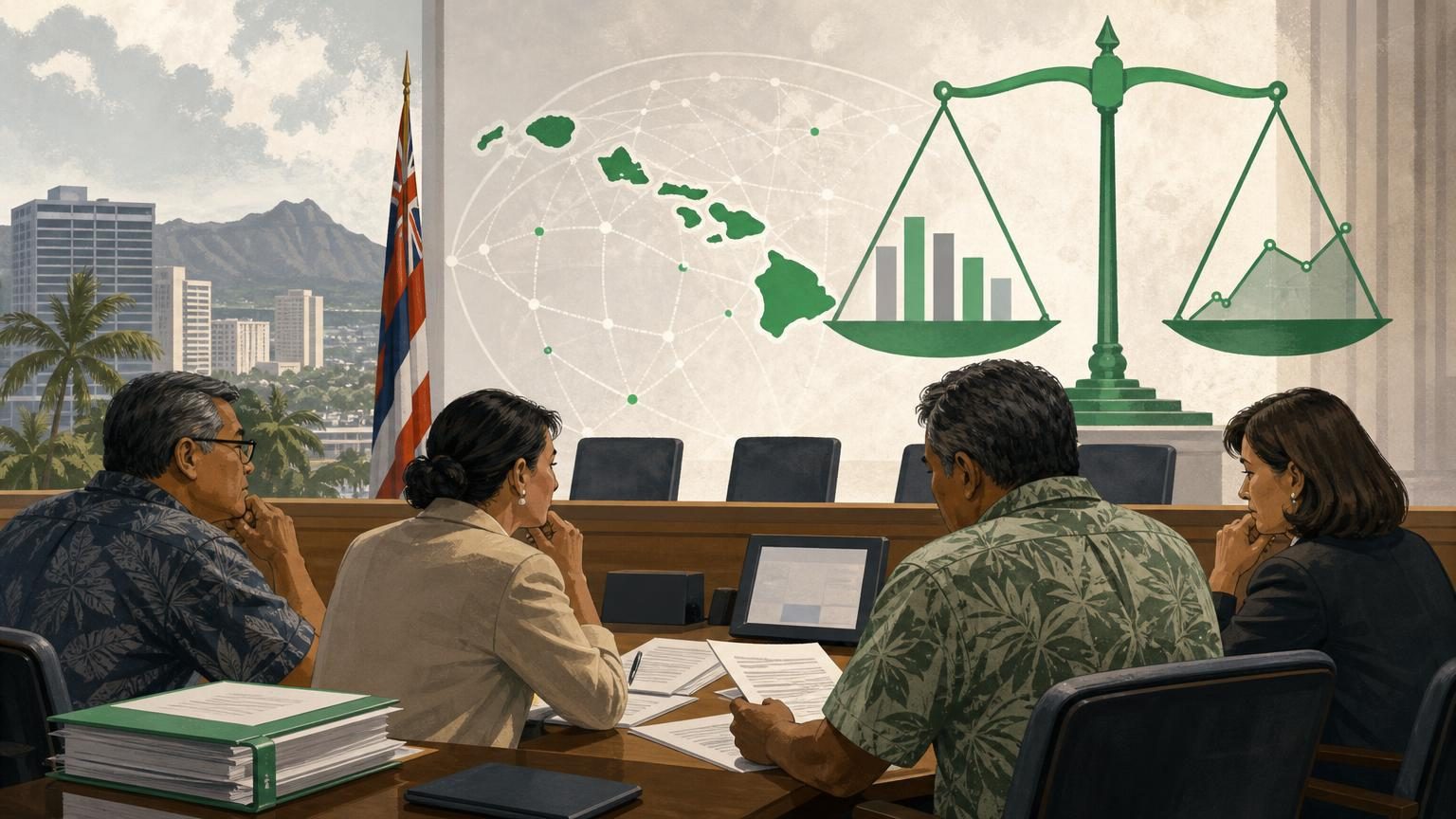
Hawaii lawmakers are preparing to take up prediction markets again next year, as a working group studying sports betting, casinos and lottery products runs alongside a fresh legal challenge against Kalshi, SBC Americas reported.
The state remains one of the most restrictive in the country on gambling, and legislation to legalise sports betting has repeatedly failed to clear the legislature. Even so, residents can already place wagers on sporting and political outcomes through federally regulated event-contract platforms such as Kalshi, which operate in a regulatory grey zone that state lawmakers have yet to close.
Earlier this year, Hawaii legislators tried to shut that gap with House Bill 2198, which would have broadened the legal definition of gambling to explicitly capture event contracts tied to sports, elections, legislation, contests, deaths and catastrophes. The bill failed, but according to SBC Americas it showed lawmakers now treat prediction markets as part of the same policy question as traditional sports betting rather than a separate issue.
Two committee chairs told Hawaii broadcaster KHON2 they expect legislation on the subject in the next session. Senator Lynn DeCoite, who leads the Economic Development and Tourism Committee, said her instinct is that the contracts should be taxed because they already exist. Representative Scot Matayoshi, who chairs the House Consumer Protection & Commerce Committee, called sports event contracts a kind of loophole. Both indicated lawmakers will weigh banning the products outright against bringing them under state regulation.
The policy debate has now spilled into the courts. A Hawaii resident this month filed a proposed class action against Kalshi and related entities in state circuit court, arguing that Hawaii law renders certain of the company's contracts void and raising consumer protection claims over how the products were marketed to users.
That nationwide jurisdictional fight, over whether event contracts are federally regulated swaps policed by the Commodity Futures Trading Commission or state-regulated gambling, is widely expected to eventually reach the US Supreme Court, SBC Americas noted.
Separately, the Tourism and Gaming Working Group formed in 2025 is examining whether gaming of any kind, including at the proposed New Aloha Stadium Entertainment District, could support the state's tourism economy. Its intended membership spans law enforcement, tax officials, social services and addiction treatment specialists alongside industry figures from Boyd Gaming, DraftKings and BetMGM. The group must deliver findings and any proposed legislation at least 20 days before the 2027 session opens on 20 January.
Supporters of legalisation argue that regulating existing activity would bring it into a licensed, taxed framework, while opponents point to Hawaii's lack of treatment infrastructure and limited political will to manage the social costs. At an October session covered by KHON2, Las Vegas gaming executives urged the state to consider how a casino might fit into its tourism strategy, and discussion also returned to funding for problem gambling treatment, counselling capacity and public education.
Hawaii has been here before on sports betting specifically. A 2025 bill passed both chambers but collapsed in conference committee without a final deal. A separate working group convened that year by the Department of Business, Economic Development and Tourism favoured a competitive market of five to seven operators over a single-operator model, with more than half its members backing a tax rate of 10% to 15%.