Esports teams linked to gambling brands rebrand for PGL Singapore
BC.GAME and other offshore betting operators that own Counter-Strike 2 teams face last-minute name changes ahead of PGL Major Singapore under the city-state's strict gambling advertising laws.
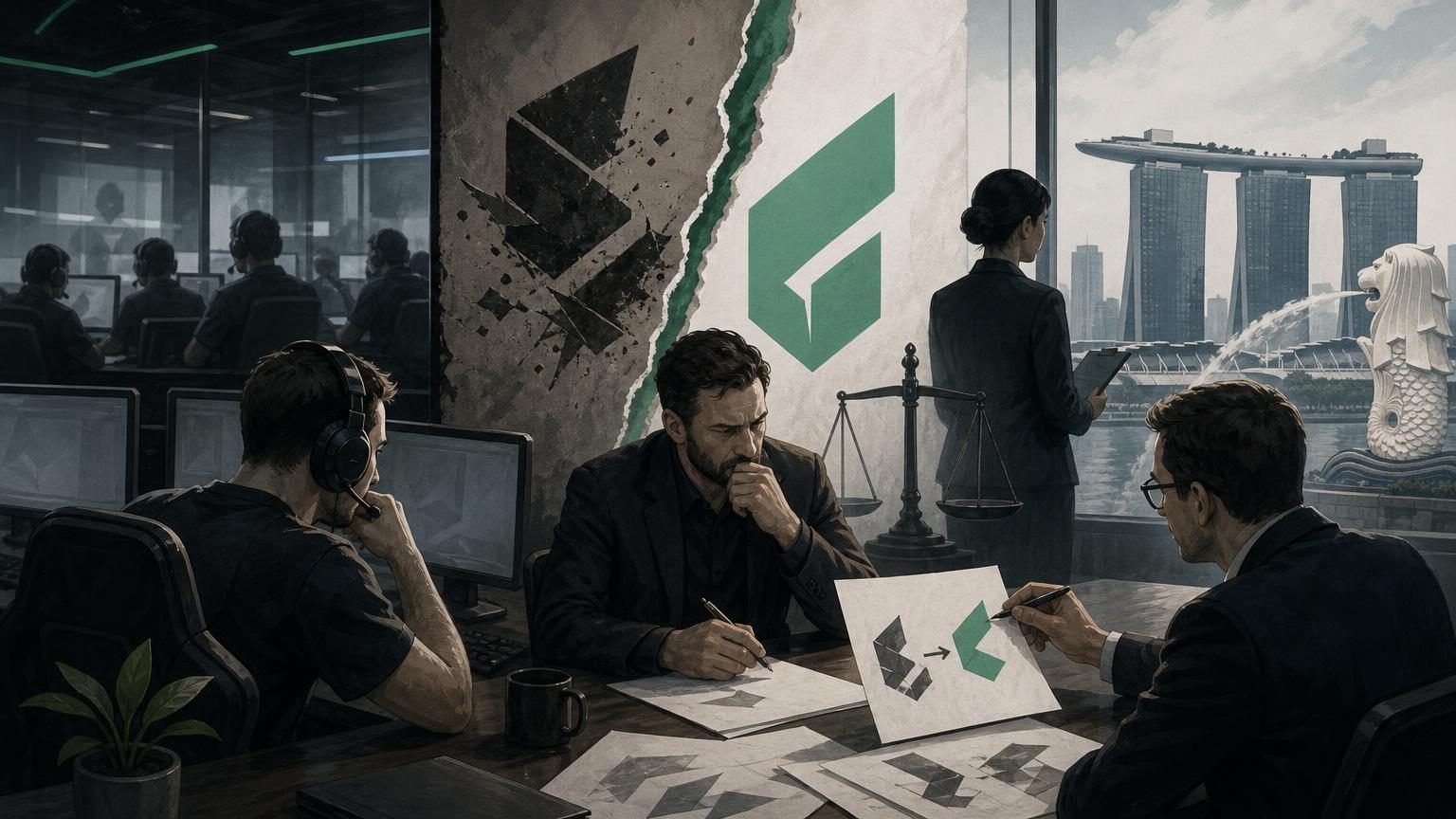
Esports teams owned by offshore gambling operators have reportedly been told to rebrand at short notice ahead of PGL Major Singapore 2026, a leading Counter-Strike 2 tournament running from 24 November to 13 December.
According to iGaming Business, all teams with a gambling sponsor competing at the event will be barred from displaying that branding. Four organisations are said to be more severely affected because gambling companies own them outright rather than merely sponsoring them: BC.GAME, 1win Esports, BetBoom and ParIvision. Those teams would need to change their entire name, not just remove a sponsor logo.
Teams were reportedly given 24 hours to alter names, logos and in-game cosmetic items known as stickers to strip out any reference to gambling brands, in order to comply with Singapore's advertising rules.
Online gambling in Singapore is restricted to Singapore Pools, which runs fixed-odds sports betting and lottery products. Section 85 of the country's Gambling Control Act 2022 bans the promotion of unlicensed gambling, a provision that explicitly extends to sponsorship and brand-sharing arrangements, including displays linked to events and products.
The report originated with the Russian Counter-Strike 2 Telegram channel Esports Base, and iGaming Business said it had not been independently verified by tournament organiser PGL or game publisher Valve. iGaming Business said it had approached PGL for comment.
BC.GAME told iGaming Business it had already submitted an alternative name and was waiting to hear back from PGL and Valve. Chief executive Ali Muhanned said in a statement: "As CEO, it's my responsibility to make sure we follow the rules, and that's exactly what we'll continue to do. We've submitted an alternative team name and are now waiting to hear back from Valve and PGL."
Muhanned added: "We were already aware of the restrictions around gambling-related branding in countries where we are not licensed. We understand the regulations and respect them, so there is no reason for us to challenge this."
The practice is not new. At IEM Beijing, a Counter-Strike 2 event concluding 8 November, BetBoom is competing as 'BB Team'. At August's Dota 2 tournament The International, 1win played under the alias Team Iron Wing.
Sponsorship restrictions have surfaced in football too. Inter Milan removed Betsson.Sport branding from their shirts for Champions League fixtures against Real Madrid and Feyenoord because of local rules, while FDJ United's Unibet brand handed its FC Copenhagen shirt sponsorship to the Danish Red Cross for away Champions League matches against Villarreal and Barcelona last season, again to satisfy Spanish advertising law.
Ollie Ring, a journalist who covers the esports-gambling crossover, told iGaming Business the rebrand itself should not trouble the affected operators. "I would assume they've all competed in jurisdictions where they're not allowed their gambling sponsorship, so the rebrand shouldn't come as a shock or be much of a faff," Ring said.
He was more critical of the timing. "Singapore is famously stringent on gambling advertising and so PGL definitely should have been aware, and made teams aware of their obligations far in advance," Ring said.
The episode underlines the compliance exposure gambling operators take on as they push further into esports. Valve's titles, Counter-Strike 2 and Dota 2, have long permitted gambling sponsors across their competitive scenes. Riot Games, publisher of League of Legends and Valorant, reversed its own ban on gambling sponsorships last year, subject to vetting and approval of partnerships. Riot's president of publishing and esports, John Needham, said at the time: "It's important to us to bring the same razor of scrutiny to all betting brands interested in our teams."