El Salvador's lottery body seeks control of casino licensing
LNB President Javier Milián tells SBC Noticias the lottery regulator wants to take land-based casino and gaming hall licensing away from municipal councils from 2027.
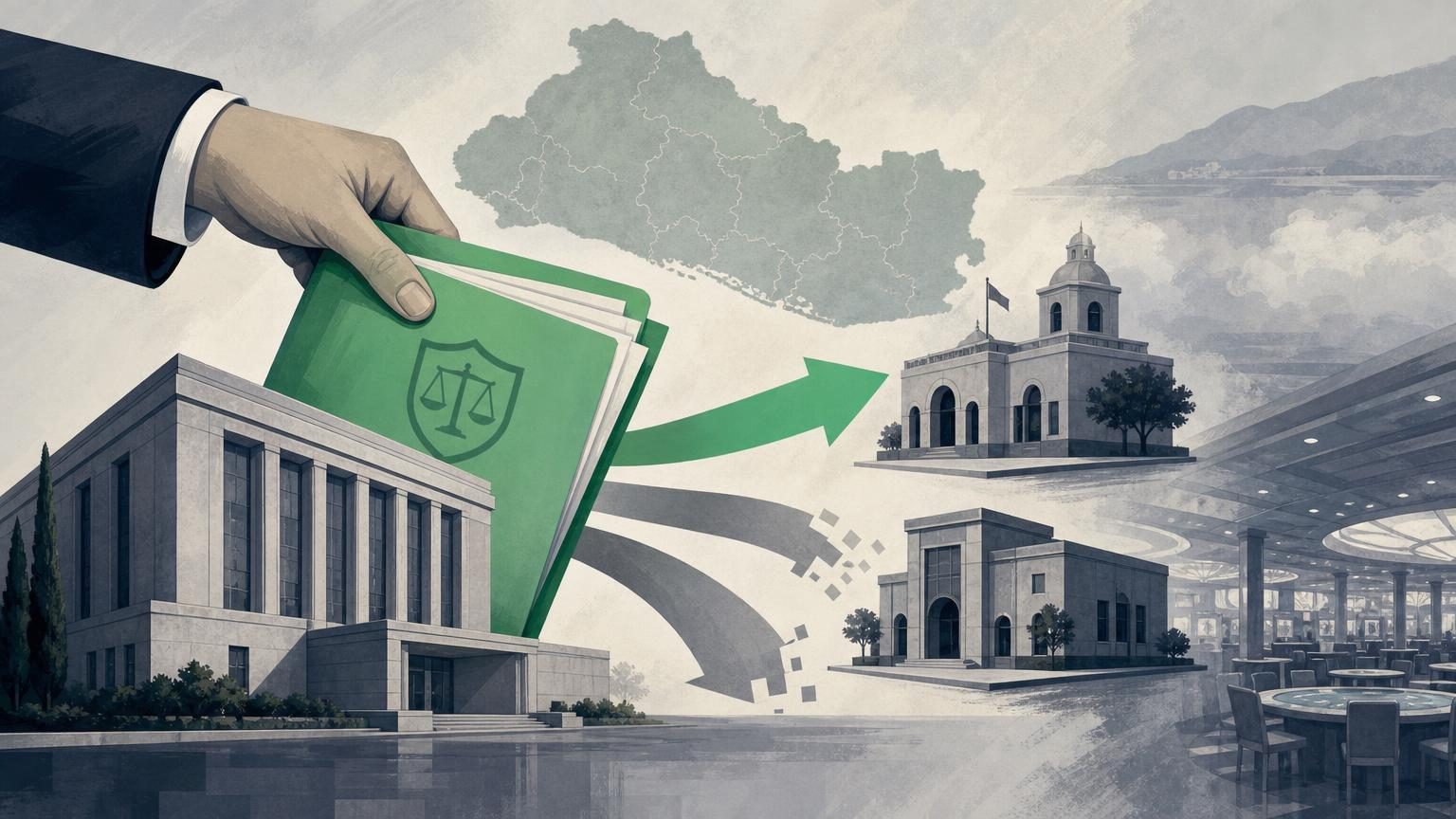
El Salvador's National Charity Lottery, known as the LNB, is pushing to extend its regulatory remit to land-based casinos, gaming halls and the equipment suppliers that serve them, according to comments its president gave to SBC Noticias.
Javier Milián, who leads the LNB, set out the plan while attending last week's IAGR conference for South American regulators in Lima. He said the institution is drafting changes to its Organic Law that would see it absorb oversight of physical gambling venues currently licensed at municipal level, with implementation targeted for 2027.
Under the 2021 Organic Law, the LNB already supervises lottery concessions, online casino and sports betting. Land-based casinos and gaming halls fall outside that structure, operating instead under permits issued by city councils across the country.
Milián argues that arrangement leaves a gap in legal protection for both operators and players. "Currently, there are no licenses for these establishments; instead, municipalities grant operating permits," he said, adding that such permits carry limited legal weight and fall short of the guarantees the sector needs.
Bringing licensing under one roof
The reform would shift responsibility for these venues from local authorities to the national regulator, replacing a patchwork of municipal permissions with a single licensing regime. Milián described the change as handing the LNB direct authority over activities that have so far sat outside its reach, which he said has left gambling governance in El Salvador fragmented.
He said the country's president has tasked the LNB with driving forward sector regulation, framing the reform as part of a broader government push for legal certainty in the market. For investors, Milián said, the change should bring clarity on the terms under which venues can operate; for players, it should mean greater accountability from both operators and the regulator overseeing them.
The proposed overhaul would also pull machine suppliers and equipment into the regulatory net, with certification singled out as a priority. "We want to guarantee to players that the machines entering the country have the necessary certifications," Milián said. The exact technical standards and approval procedures have yet to be defined, but his remarks point to equipment verification as a cornerstone of the planned regime.
The LNB's case for expansion rests partly on its track record overseeing the online market. Milián said just over ten licences are currently active, with further operators expressing interest in entering El Salvador, though he stressed that commercial appetite alone does not guarantee approval under the technical and legal requirements in place. "El Salvador seems to be in vogue, and there are many investors interested in entering the country. However, not everyone can obtain a license," he said.
He forecast that El Salvador's regulated sports betting and online casino sector will grow by between 70% and 80% during 2026, with online casino accounting for roughly 80% of that activity and sports betting making up the remainder. Foreign investment interest is also shaping the direction of the wider reform, Milián indicated, as the LNB looks to formalise its expanded role ahead of the planned 2027 changes.