ACMA bans celebrities and influencers from gambling adverts in Australia
New guidelines from the Australian Communications and Media Authority will stop operators using sports stars, celebrities and influencers in wagering advertising from 1 January 2027.
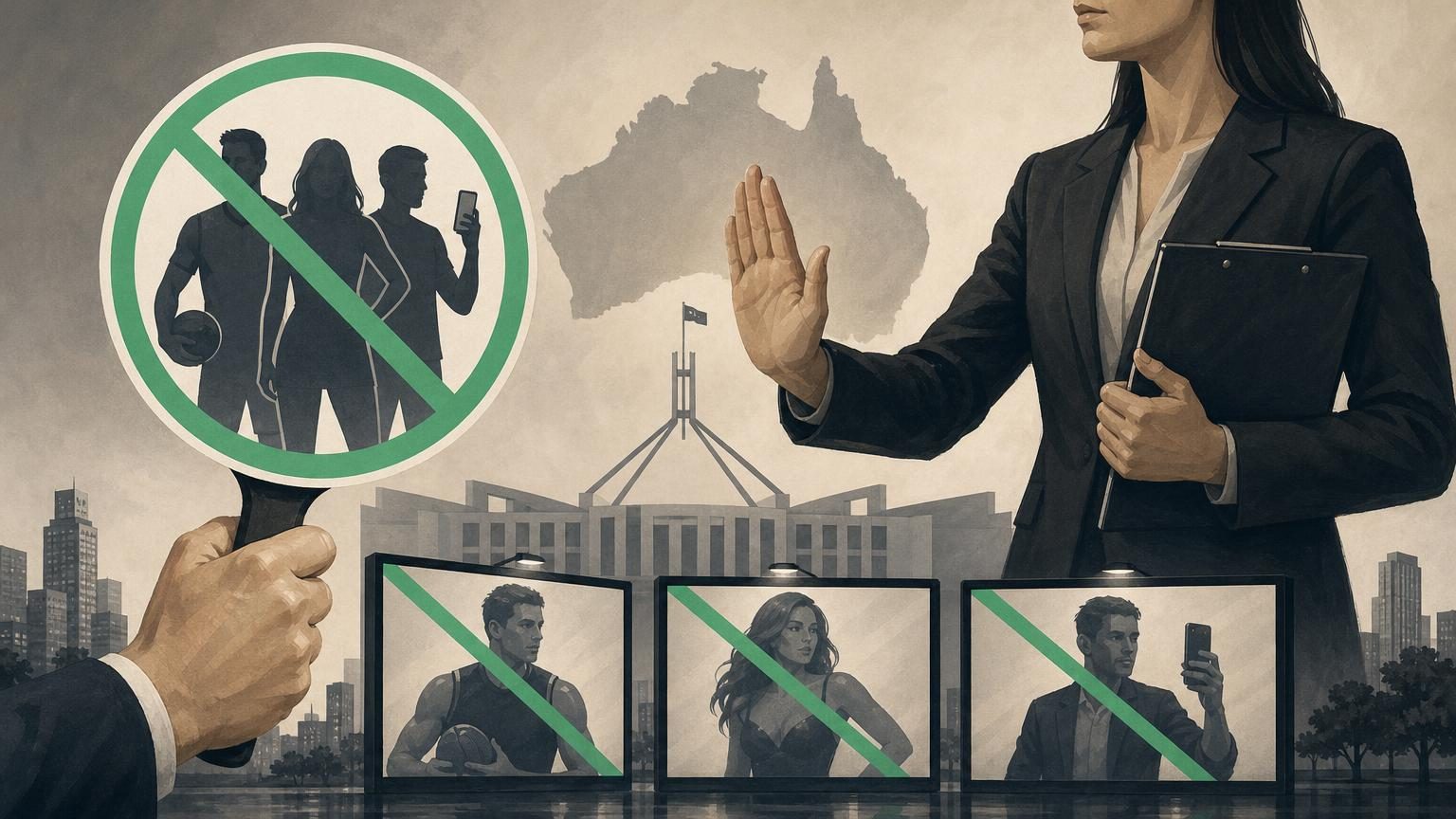
Gambling operators in Australia will no longer be able to put sports stars, celebrities or social media influencers in their advertising once new rules take hold on 1 January 2027.
The Australian Communications and Media Authority published the guidelines on 19 October, setting out a ban on what it terms a "notable person" appearing in any wagering advertisement, whether broadcast or online.
Under the framework, operators are also barred from signing sponsorship or participation agreements that tie a notable person to the promotion of wagering content inside Australia.
ACMA's definition of a notable person covers anyone who is or was a professional sports player or athlete, a celebrity, or a social media influencer. It extends to any current or former "prominent individual" and to anyone falling into a category the responsible minister chooses to designate.
The restriction is not confined to television. It reaches radio, news websites, online games and social media, covering essentially every channel through which a wagering brand might reach an Australian audience.
A narrow carve-out survives for horseracing. Betting content built solely around racing can still feature a notable person if it runs on a dedicated racing programme, a racing channel, or a specific racing online content service.
ACMA has also addressed what happens when an ordinary person used in a campaign later becomes famous. If someone featured in an advert subsequently meets the definition of a notable person, the content cannot keep running once that threshold is crossed. The regulator said it would weigh the advert's length, scope, scale and reach in deciding how quickly it must be phased out.
Australia's move brings it into line with the UK, the Netherlands, Spain and the Canadian province of Ontario, all of which already restrict athletes, celebrities or influencers from fronting gambling marketing, according to EGR.
The advertising guidelines build on the Interactive Gambling Amendment (Gambling Reform) Bill 2026, passed by the Albanese government in August. That legislation fell short of the complete advertising ban some parliamentarians and the 2023 Murphy report had pushed for.
Instead, the bill capped television gambling advertisements at three per hour between 5am and 8.30pm, set a timetable for phasing out sporting sponsorships, and introduced an opt-out mechanism for online gambling marketing. ACMA was given the job of enforcing the package.
The regulator has already begun using its enforcement powers. In July it issued a warning to Australian MMA fighter Jamie Mullarkey after he promoted offshore betting operators on social media.
In September, ACMA secured a court-enforceable undertaking from the family-owned bookmaker Palmer Bookmaking Pty Ltd. The action followed findings that its Palmerbet brand had accepted 312 bets from a customer who was registered on the national self-exclusion scheme, BetStop.